
Great old recipes made grandmas famous
VALLE NOVAK / Contributing Writer | Bonner County Daily Bee | UPDATED 5 months, 1 week AGO
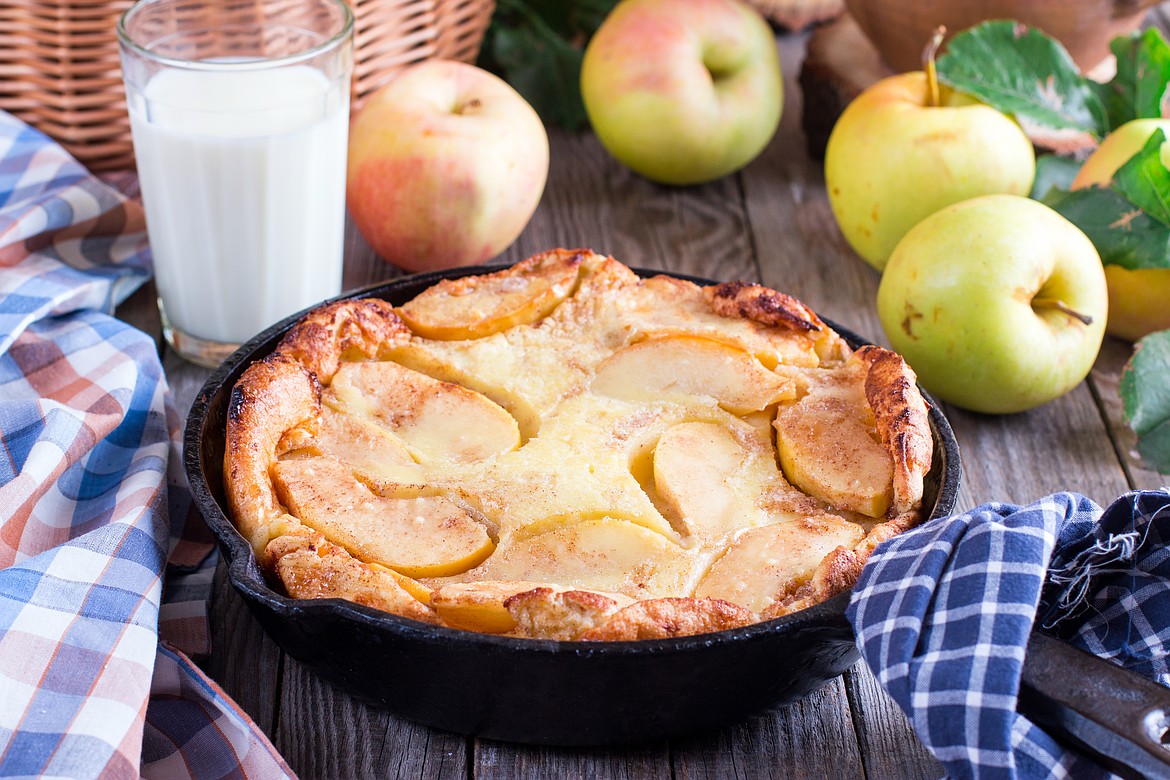
A puffed, oven-baked apple pancake served straight from the skillet with maple syrup.
Photo via SHUTTERSTOCK
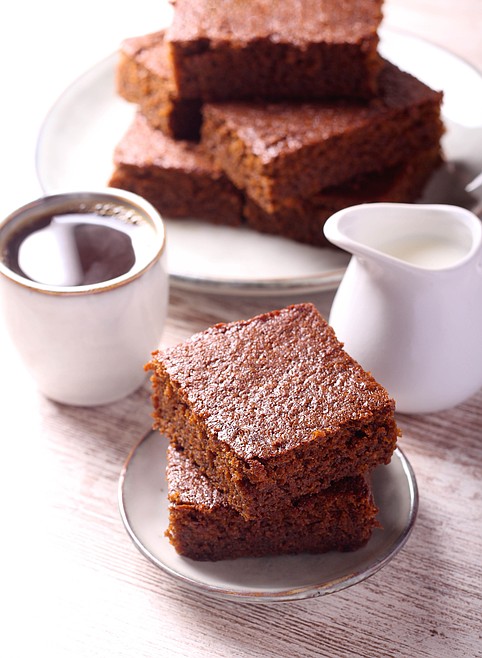
A rich, old-fashioned gingerbread scented with molasses and spice, just crisp at the edges and perfect with butter, whipped cream or ice cream.
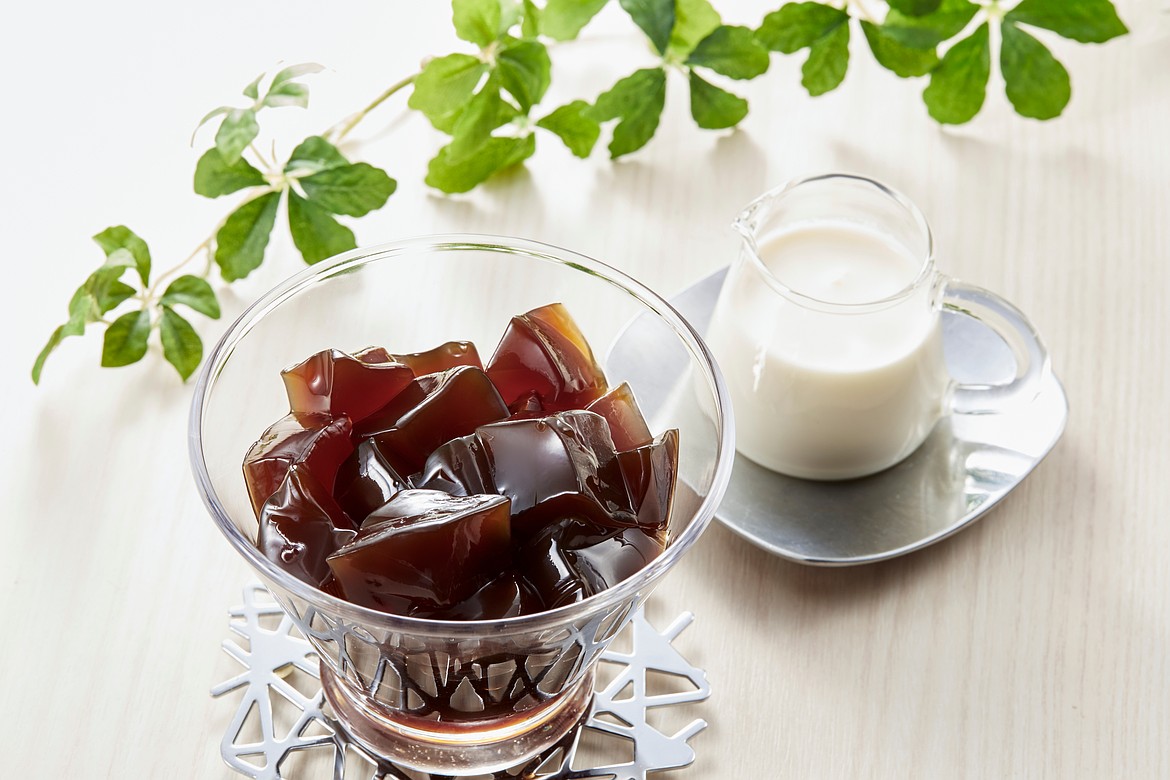
A retro dessert that feels modern again, coffee jelly is light, elegant and served chilled with softly whipped cream and simple cookies.
Perhaps those wonderful hot cross buns I enjoyed over Easter have inspired me, but whatever the reason, today’s column will be dedicated to some delightful old recipes that my family has made for holidays and other festive occasions.
We all know gingerbread — but my Grandma Riesland’s was different from the often heavy, coarse gingerbread that is offered today. Hers had chopped dates instead of raisins and was slightly crisp‑crusted but soft inside. Simply delectable. Enjoy!
1800s Gingerbread
1 stick unsalted butter, softened
½ cup sugar
1 large egg, beaten
1 cup molasses
2½ cups whole (unbleached) flour
1½ teaspoons baking soda
1 teaspoon each ground ginger and cinnamon
½ teaspoon each ground cloves and salt
1 cup hot water
1½ cups finely chopped dates (soft Medjools best)
Heat oven to 350 degrees. If you have cast‑iron pans — a skillet or chicken fryer — they’re best; otherwise use two 9-by-9‑inch square cake pans. Butter the pans and set aside.
In a large bowl, cream together the butter and sugar; add the egg and molasses, then stir in and mix well. Mix all dry ingredients (flour through salt) and sift, stirring, into the wet mixture. Add the hot water and beat until smooth.
Finally, stir in the dates. Divide batter evenly between the two pans and place in the preheated oven; bake 25 to 30 minutes, testing with a broom straw (I still do that!) for doneness. Do not overbake. Edges should be just crisp.
Eat sliced with butter for brunch or top with whipped or ice cream for dessert at suppertime. (When my grandmother was alive, she would make gingerbread in round tins. It would then be sliced into halves and put together with whipped cream and topped with caramel sauce and chopped walnuts for a delightful dessert cake. Our illustration shows a more classic presentation.)
Grandma Riesland, née Ruch (Rue), was an elegant lady reared in the Victorian/Georgian era by a well‑to‑do German family who had escaped their homeland during Kaiser Wilhelm II’s depredations. She married George Riesland, a young member of the German aristocracy, whose father, a former close friend and comrade of the first Kaiser, had also found it necessary to “get out of Dodge.” Where Wilhelm I had been (for the most part) a wise and benevolent ruler, his son was a loose cannon whose actions segued nicely into the upcoming rise of young Hitler.
Both families ended up in the Dakotas with other uprooted expatriates. Old photos of Grandma R. in the Gibson Girl era show her in high‑necked, bustled garb with loads of upswept hair held by a wide‑brimmed hat with an ostrich plume. She was elegant and multi‑talented, pictured riding sidesaddle, posing among willow branches by a stream, or with her three children, Rueben, Garnet and my daddy, Grant, the “baby,” born in 1900. An accomplished artist, gardener, photographer and hostess, she was also a fabulous cook. Here’s her sensational dessert recipe for a high‑class dinner party or soirée. They used to call these desserts “jellies,” and this one is so named.
Coffee Jelly
2 tablespoons plain gelatin (Knox or vegetarian)
½ cup cold water
1 cup boiling water
⅓ cup sugar
2 cups hot coffee*
½ pint whipping cream
Place the gelatin atop the cold water in a heavy, medium‑size bowl; allow to soak for about 20 minutes, then stir in the boiling water and allow to dissolve for about 10 more minutes. Stir in hot coffee and sugar until well dissolved. Pour into a pretty mold and place in the refrigerator to chill for several hours, until firm.
At serving time, whip the cream, unmold the jelly onto a pretty serving dish and serve with the whipped cream on the side and simple cookies, such as shortbread or macaroons.
Nowadays we can make this incredible dish with even more elan; consider hazelnut or other flavored coffees — or perhaps add a bit of sugar or flavoring to the whipped cream — almond, Kahlúa or rum — or top it with shaved chocolate or sprinkles. I guarantee that no one at your party will believe this century‑old delight!
This recipe is another that has been shared within my family and offers a delightful weekend breakfast.
Oven Apple Pancakes
(4‑6 servings)
2 large, firm cooking apples, peeled, cored, sliced
2 tablespoons pure maple syrup
1 tablespoon lemon juice
4 tablespoons butter
3 eggs
½ cup whole milk or light cream
½ cup flour
½ teaspoon cinnamon
¼ teaspoon salt
Preheat oven to 425 degrees. Toss apple slices with the maple syrup and lemon juice and set aside. Melt the butter in a medium cast‑iron skillet and remove from heat.
Beat eggs and milk in a bowl with 1 tablespoon of the melted butter. In another bowl, combine the flour, cinnamon and salt, and whisk in the egg mixture until smooth.
Return skillet to heat and sauté the apples in the remaining butter over high heat. Toss and turn with a spatula for even cooking; don’t let them get mushy. After 2 to 3 minutes, spread them evenly over the bottom of the skillet and slowly pour on the batter. Bake in the oven for 15 to 18 minutes until very puffy and lightly browned. Serve in wedges immediately (it will fall soon like a soufflé) directly from the pan and drizzle with warm maple syrup or cream.
Now, back to Grandma Riesland, to note that lest I give the impression that she was a pampered snob, I must add that in 1916, when she returned early from an outing and discovered her beloved husband in bed with another woman, she lost no time in divorcing his adulterous backside and moving, with a substantial amount of alimony, to Spokane.
There, she followed up on an ad for a postmaster/storekeeper in Chilco, Idaho. She bought the store outright, took the tests for postmistress and began a new life as an independent woman. After the Armistice, Grant mustered out of the cavalry and joined her, assisting with storekeeping and as a part‑time mechanic. She sold the store in the late 1930s and moved to Coeur d’Alene with her new husband, an optometrist. (Grant met and married Mother in 1927, and I came on the scene in 1930.)
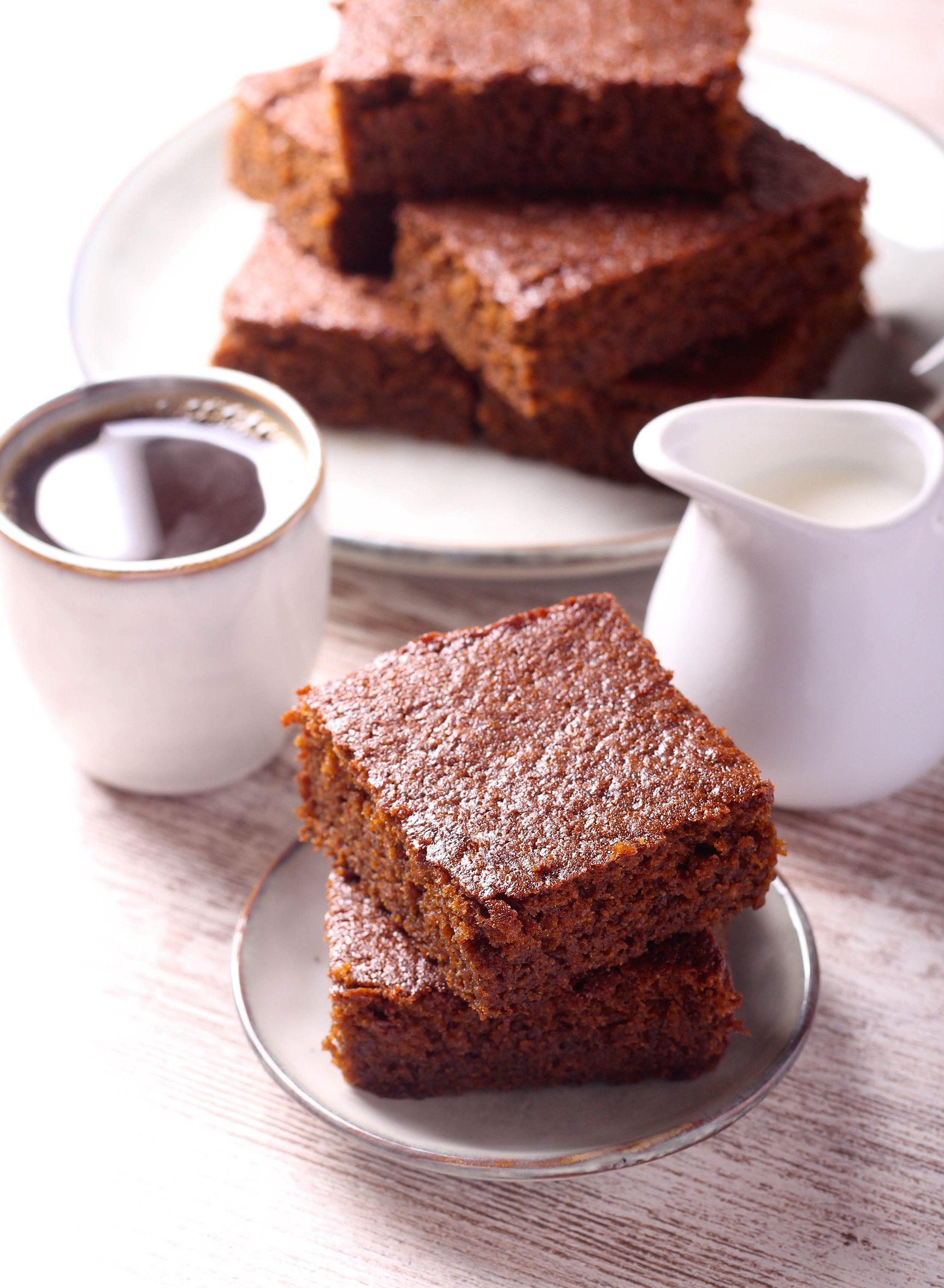 A rich, old-fashioned gingerbread scented with molasses and spice, just crisp at the edges and perfect with butter, whipped cream or ice cream.
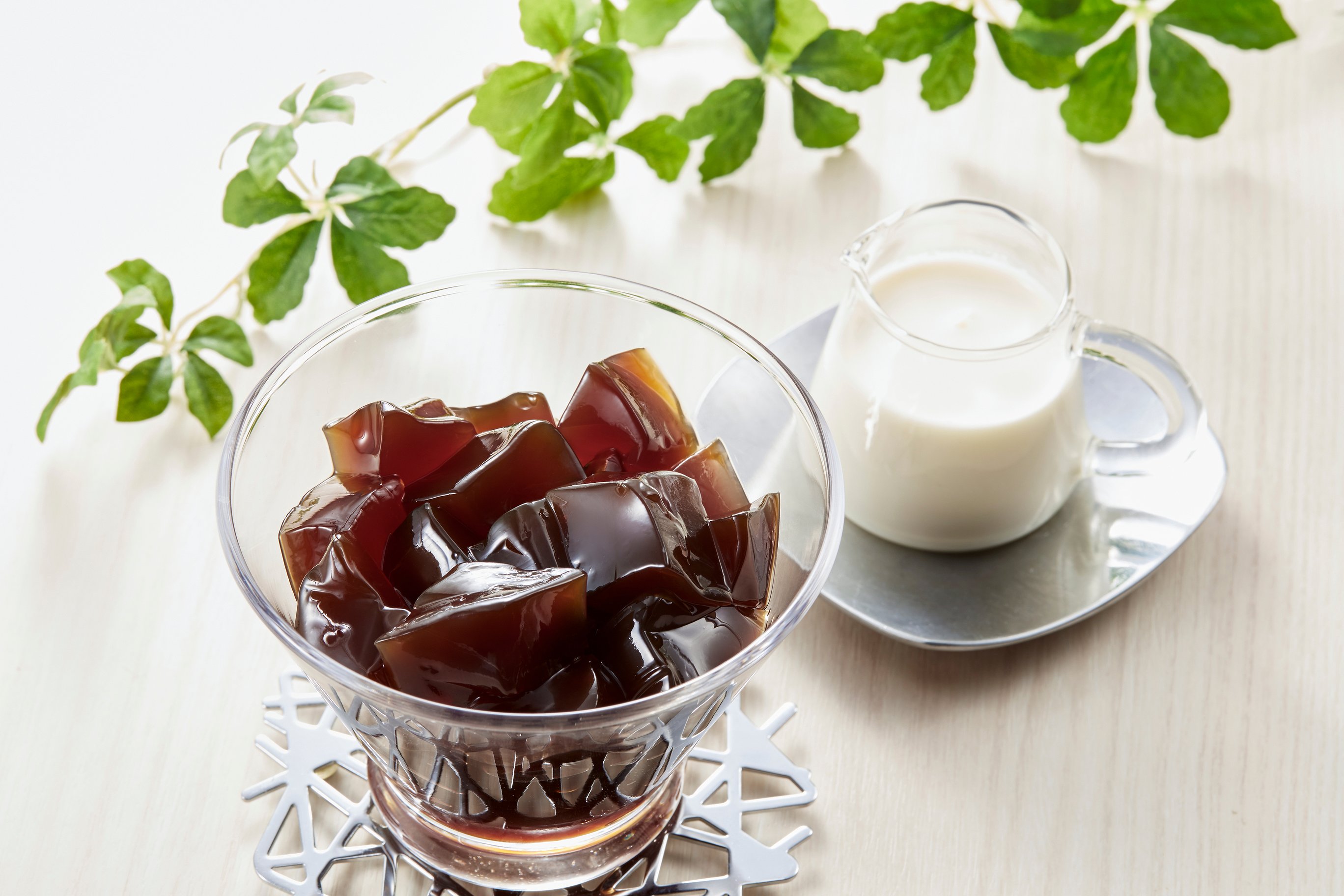 A retro dessert that feels modern again, coffee jelly is light, elegant and served chilled with softly whipped cream and simple cookies.
Editor’s note: For many years, Valle Novak wrote gardening and cooking columns for the Daily Bee. Weekend Gardener and Country Chef became renowned for their humor, information and common‑sense advice on everything from planting to cooking. She left behind many columns such as this one to delight her many fans.