
Data centers, including Sabey, play crucial role
CHERYL SCHWEIZER | Hagadone News Network | UPDATED 4 months, 3 weeks AGO
Senior Reporter Cheryl Schweizer is a journalist with more than 30 years of experience serving small communities in the Pacific Northwest. She began her post-high-school education at Treasure Valley Community College and enerned her journalism degree at Oregon State University. After working for multiple publications, she has settled down at the Columbia Basin Herald and has been a staple of the newsroom for more than a decade. Schweizer’s dedication to her communities and profession has earned her the nickname “The Baroness of Bylines.” She covers a variety of beats including health, business and various municipalities. | April 14, 2026 3:15 AM
QUINCY — A lot of work and thought has gone into making online access as easy as possible for consumers. Pick up the phone or open the computer, and it’s possible to connect with anyone almost anywhere in the world. It seems easy.
In reality – as anyone knows who’s dealt with a tech failure knows – it’s a complex network of connections and reconnections that must move fast and without interruption. At the base of it all is the machine that coordinates all of that electronic activity. Ryan Beebout, western vice-president for Sabey Data Centers, said the servers that power the system are the equivalent of the electrical grid.
“Almost everything you do on your phone runs through a data center,” Beebout said. “People want their phones to be small and lightweight, and they want their batteries to last a really long time. A lot of the things that you do are very computationally intensive. You can’t do that on a device like (a cell phone).”
At least right now, it’s impossible to include all the computing power necessary on a cell phone, he said.
“Take a social media app, just as one example. To coordinate all of that, millions of users, maybe billions of users – it could never be done if that app was running just on people’s phones,” he said.
It all requires a lot of computer power, and that’s the function of a data center. Sabey is one of six data center operators in Quincy. Microsoft opened the first one in Quincy in 2006.
A lot of computing power requires a lot of electricity, which has brought a lot of scrutiny to an industry that previously didn’t draw much attention. In Grant County, data centers have been a topic of conversation due to that electricity use; data centers and other businesses that use copious amounts of electricity have resulted in the Grant County PUD using up its allotment of the power generated at Priest Rapids and Wells Dams.
Beebout said much of the attention surrounds artificial intelligence and the opportunity and challenge it represents. The use of AI is in its beginning stages, and Beebout said most of Sabey’s customers predate AI growth.
“The majority of the workloads here are more traditional enterprise workloads. That’s not to say there’s not AI workloads – there are, increasingly, more AI workloads, but a lot of that is because the traditional enterprise companies are starting to adopt AI more,” he said. “I’d say the story of Quincy is not the story of AI; it’s the story of traditional data center workloads.”
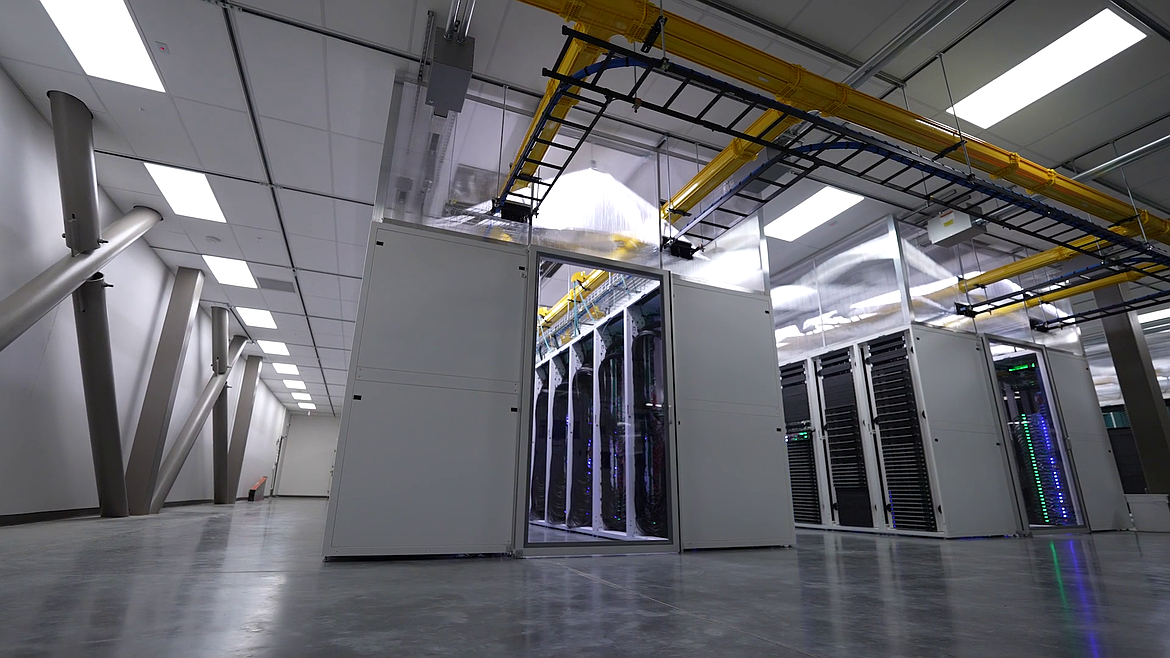
Sabey doesn’t operate its own servers. Instead, it rents out space to customers who set up and operate their own computing arrays.
“We’re basically a high-tech real estate company,” Beebout said. “Real estate developer is what we are, and landlord. We’re unique in that we build our own facilities.”
Sabey began as a construction company in the 1970s, he said.
“Data centers are very complex. They’re very different from almost all other real estate projects. They take a large amount of capital... and they take a lot of expertise,” Beebout said. “It takes a lot of expertise in different fields to design and build and operate a data center. They’re hard to build and operate, and so most companies can’t build their own.”
Its customers, he said, are willing to let some else, Sabey in this case, build the building and operate it.
“They bring their own servers. We don’t provide the servers. What we do is build the building, the resiliency, the electrical infrastructure, the cooling systems, the physical security, the fiber connectivity, all that,” he said. “We build all that, and we operate that. And the customer leases space inside, and they deploy their own servers, and then we’re responsible for making sure that the facility stays running 24/7. The data center is mission-critical for the (customers), and they can’t afford for the data center to go down ever.”
Sabey has its own staff, while many of its customers also have workers on-site. Beebout said many of the jobs available do not require a college degree.
“There’s this low barrier to entry, and there’s a tremendous opportunity to be trained here locally in these fields,” he said.
More than 250 people work full-time at the Quincy site, he said, some for Sabey and some for its customers.
Beebout said he’s been asked whether data centers will continue to play a role as computers get more efficient, and as far as he can tell, the answer is yes.
“As efficiency improves and compute costs come down, demand continues to outpace that, and we don’t see that changing. And certainly that’s the trajectory we’re on now,” he said.
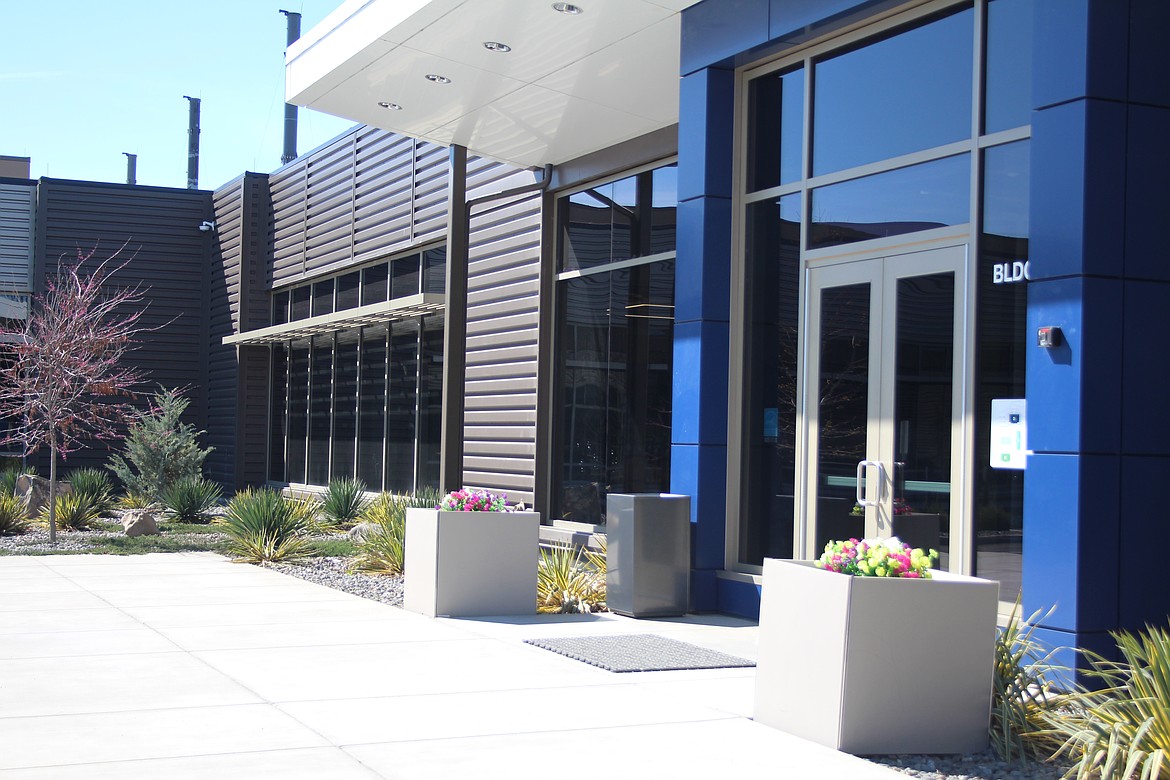
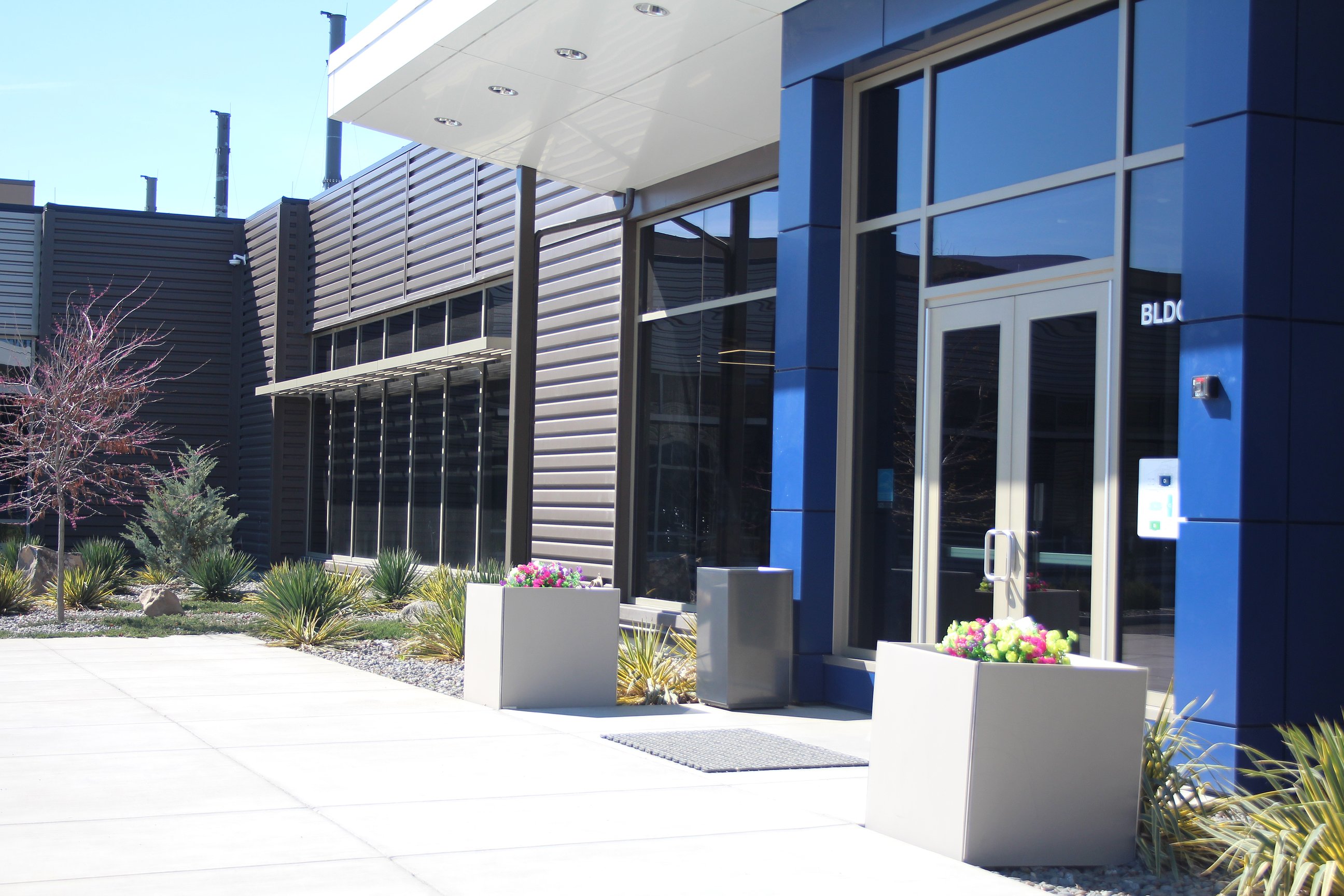 About 250 people work on Sabey Data Center’s Quincy site, split between Sabey employees and people who work for Sabey’s customers.
ARTICLES BY CHERYL SCHWEIZER
Road projects on hold for Labor Day weekend
MOSES LAKE — With Labor Day weekend dead ahead, drivers will be able to move freely about the state. Most road projects are on hold for the holiday weekend. Nobody will be working on the Hansen Road overpass on Interstate 90, but the lane restrictions that are in effect will continue through the end of the project.

Cost estimates for water source alternatives given to Moses Lake City Council
Protected under the U.S. Endangered Species Act, efforts are ongoing to keep it self-sufficient
MOSES LAKE — It’s going to cost a lot of money to provide alternative water sources for the city of Moses Lake, but some of the possible alternatives will cost more than others. City officials provided the Moses Lake City Council with costs for various alternatives Tuesday.

Dryer vent cleaning is important -- but often overlooked
MOSES LAKE — Not all the maintenance a house needs is visible. Sometimes a potential problem just goes unnoticed until it causes trouble, sometimes serious trouble. But a lot of potential problems give off warning signs. Clothes dryers often do when they need a good cleaning.