
MY TURN: Where do our political decisions come from?
ALAN DAVIS/Guest Opinion | Coeur d'Alene Press | UPDATED 1 month, 3 weeks AGO
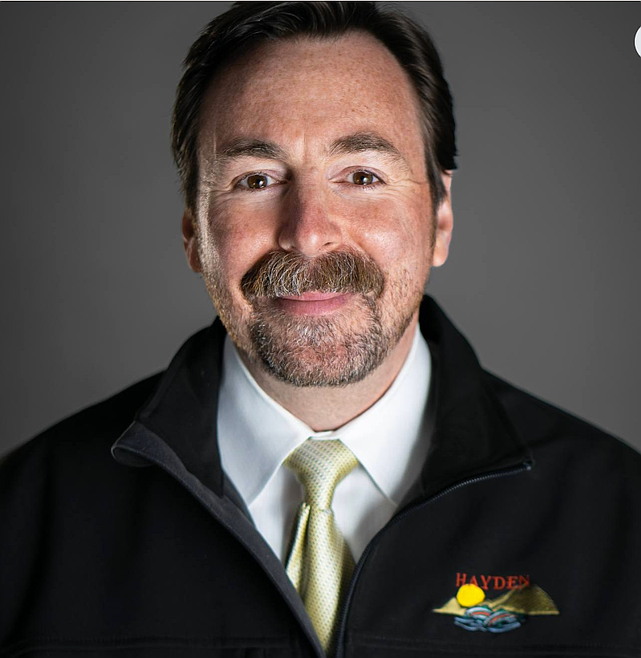
Alan Davis
In the two years since assuming office, I’ve experienced firsthand the decisions and priorities of those elected to our city, county and state. I’ve also made it a priority to meet with citizens across a wide range of backgrounds. As a result, I’ve developed an increased appreciation for whom we elect and why our citizens mark their preferred ballot oval.
Most of us believe we make careful, informed decisions about the future of our community. But it is worth asking a harder question: are we always as deliberate as we believe or what other factors quietly shape our choices?
In "How to Know a Person," David Brooks notes that people who feel unseen are far more likely to be active in politics. For these people, politics becomes more than civic engagement: a place to find belonging, identity and a sense of moral clarity.
There is nothing unusual about that. The desire to be seen and to matter is deeply human. But Brooks also raises a more difficult possibility, one worth considering carefully: it is increasingly easy to experience politics as a substitute for moral action. We can feel that we are doing good simply by holding the right positions or directing our outrage at the right people. Meanwhile, the harder work of serving others, listening carefully and engaging across differences receives less attention.
When politics begins to meet our emotional needs, it doesn’t just accompany our decision-making: it shapes it. It becomes easier to rely on alignment as a shortcut for judgment. We can begin to equate affiliation with competence and lean more heavily on party cues. We can find ourselves dismissing or embracing candidates before fully examining their character, their record or their capacity to serve.
This is a human tendency, not a partisan one, and none of us are immune to it. And it carries real consequences.
A healthy community depends on more than shared beliefs; it depends on shared responsibility. That responsibility asks something more of us than agreement. It asks us to evaluate those who seek to lead with care, to look beyond party labels and ask whether they demonstrate sound judgment, integrity and a genuine commitment to serving the entire community.
Before casting a vote, it is worth asking a simple but demanding question: would I view this candidate the same way if they were not endorsed by my political party? If the answer is no, it may be worth asking why.
It is easier to inherit a political identity than to evaluate a candidate. But a functioning republic requires the harder work: asking not who stands with us, but whether our convictions are grounded in thoughtful judgment — or in a deeper desire to feel seen, to belong and to find alignment with others.
• • •
Alan Davis is mayor of the city of Hayden.