
Redefining home safety with the latest bathroom layout ideas
Billie Pollisotto | Bonner County Daily Bee | UPDATED 5 months, 2 weeks AGO
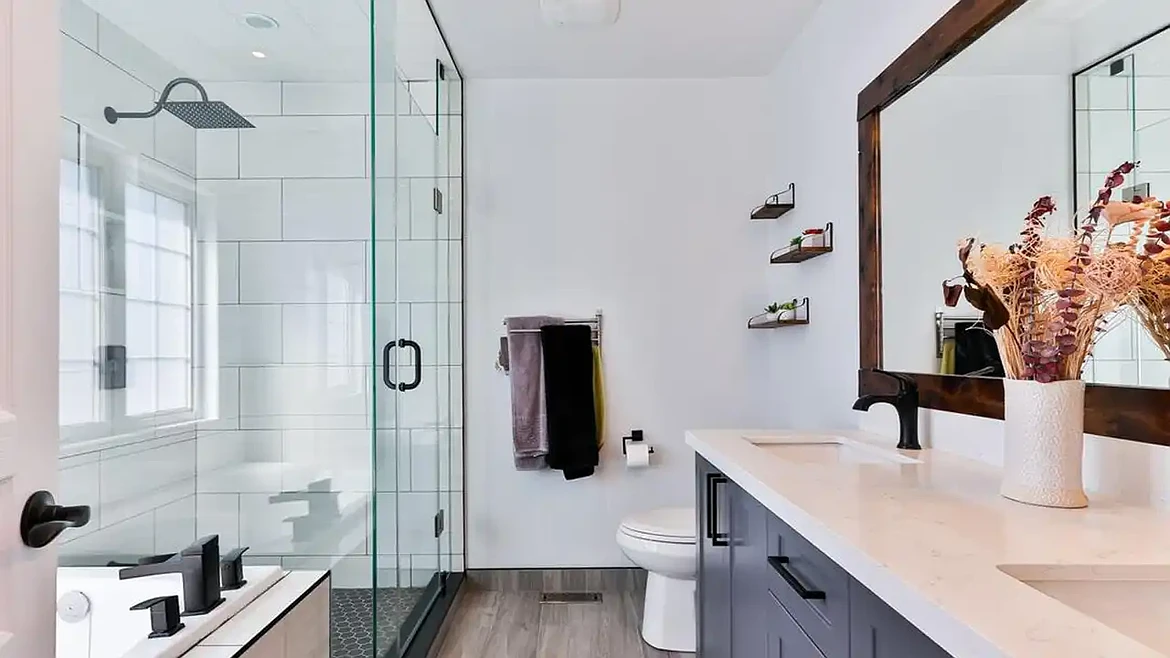
A smart bathroom layout reduces risk and improves daily comfort by focusing on clear movement, accessible fixtures, and thoughtful spacing. The latest ideas prioritize safety without sacrificing style, using features like walk-in showers and well-placed lighting to create a space that works for every stage of life.
A rushed morning, a wet floor, and one small misstep can turn an ordinary routine into a problem. Bathrooms remain one of the most common places for household injuries, which is why design choices matter more than most people realize.
Fresh layout ideas are shifting the focus from purely aesthetic upgrades to spaces that feel built for real life, all while still looking polished and modern.
How Can Walk-In Showers Improve Bathroom Safety?
Walk-in showers have become one of the most effective ways to improve bathroom safety through layout alone. Traditional tubs require stepping over a raised edge, which increases the risk of slips. A walk-in design removes that barrier and creates a smoother, more predictable entry point.
The layout itself supports safer movement. Curbless shower installation keeps the floor level consistent, which reduces tripping hazards. Open space inside the shower also allows for better balance and easier repositioning, which is important for anyone with limited mobility or recovering from injury.
Water control plays a role as well. Proper drainage and slight floor grading keep water contained, which helps prevent pooling that could spread onto the main bathroom floor. Glass panels or partial enclosures can guide water flow without closing off the space.
Proper Lighting For Functional Bathroom Design
Lighting defines how safe and usable a bathroom feels from the moment someone steps inside. Poor visibility can turn routine movements into risks, especially on wet surfaces where footing is less stable. A functional lighting plan focuses on clarity across the entire space, so nothing is left in shadow or difficult to see.
Layered lighting creates the strongest result. Instead of relying on a single ceiling fixture, the design uses a combination of overhead illumination, mirror-level lighting, and softer ambient sources that fill in darker areas. This approach improves depth perception and reduces glare, which makes it easier to judge distance and spot hazards.
Placement plays a major role in how effective the lighting feels. Fixtures positioned at eye level on either side of a mirror reduce shadows and improve visibility during daily routines. Even distribution across the ceiling helps eliminate dim zones.
Choosing The Right Flooring
Wet conditions are unavoidable, so the surface underfoot needs to provide consistent grip without sacrificing durability or style. Smooth, glossy finishes may look clean, though they tend to become slippery quickly once water is introduced.
Texture is one of the most important factors to consider. Materials with a slightly rough or matte finish create friction, which helps reduce the chance of slipping. Porcelain and ceramic tiles designed for wet areas often include this type of surface, making them a reliable choice for both performance and appearance.
Water resistance matters just as much. Bathrooms see constant moisture, so flooring needs to handle exposure without warping, cracking, or becoming unstable over time. Options like sealed natural stone or high-quality vinyl can offer both protection and comfort underfoot.
Spacing Right
Tight accessible bathroom layouts:
- Force awkward movements
- Increase the chance of bumping into fixtures
- Make it harder to maintain balance on wet surfaces
- Create visual clutter that makes it harder to judge distance
- Reduce access to support features
A well-spaced design creates room to move naturally, which reduces strain and lowers the risk of accidents.
Clear floor space around key fixtures is essential. The area in front of the sink, toilet, and shower should allow for easy turning and stable footing without stepping around obstacles. When these zones overlap or feel cramped, even simple tasks like drying off or reaching for a towel can become less predictable.
Thoughtful spacing also improves how the room functions when more than one person uses it. Adequate distance between fixtures prevents crowding and allows each area to be used independently. This is especially important in shared bathrooms, where overlapping movement can increase the likelihood of slips or collisions.
Door placement and swing direction are often overlooked. A door that opens into a tight pathway can block movement or create sudden obstructions
Frequently Asked Questions
Should a Toilet Be Next to a Bath?
A toilet can be placed next to a bath, though it is not always the most comfortable or practical layout. Many bathrooms use this arrangement for space-saving bathroom design.
Spacing and separation matter more than proximity. Leaving enough room between the toilet and bath improves comfort and reduces the feeling of crowding. Adding a partial wall, glass divider, or even a slight offset in positioning can create a sense of privacy without requiring a larger footprint. A leading bathroom remodel solution can help you make the right choice for your home's needs.
Ventilation and moisture control should also be considered. Toilets placed too close to a bath or shower area may be exposed to excess humidity, which can affect cleanliness and long-term durability.
Do Tub and Toilet Have to Match?
While matching fixtures can create a uniform look, mixing styles, shapes, or finishes is common in modern bathroom design and can still feel cohesive when done thoughtfully.
Consistency usually comes from the overall design rather than identical pieces. Keeping a similar color palette and choosing complementary shapes can tie everything together without requiring a perfect match.
Many accessible bathroom layouts actually benefit from mixing elements. A sleek, modern toilet can pair well with a more sculptural or freestanding tub.
What Is a Jack and Jill Bathroom?
A Jack and Jill bathroom is a shared bathroom that connects two separate bedrooms, with doors on each side for direct access. It offers the convenience of an en-suite feel for both rooms while still being a shared space, which makes it common in family homes or layouts with siblings.
This type of bathroom usually includes features that support shared use, such as:
- Double sinks
- Divided storage
- A separate area for the toilet or shower
- Extra electrical outlets
Try These Bathroom Layout Options Today
With these bathroom layout ideas, you'll have a safer home in no time.
Do you need more home redesign tips and tricks? Scroll through some of our other posts.
This article was prepared by an independent contributor which helps us continue delivering quality content to our audiences.