
Why more beverage brands are scaling without owning production infrastructure
Amy Kang | Daily Inter-Lake | UPDATED 3 weeks, 5 days AGO
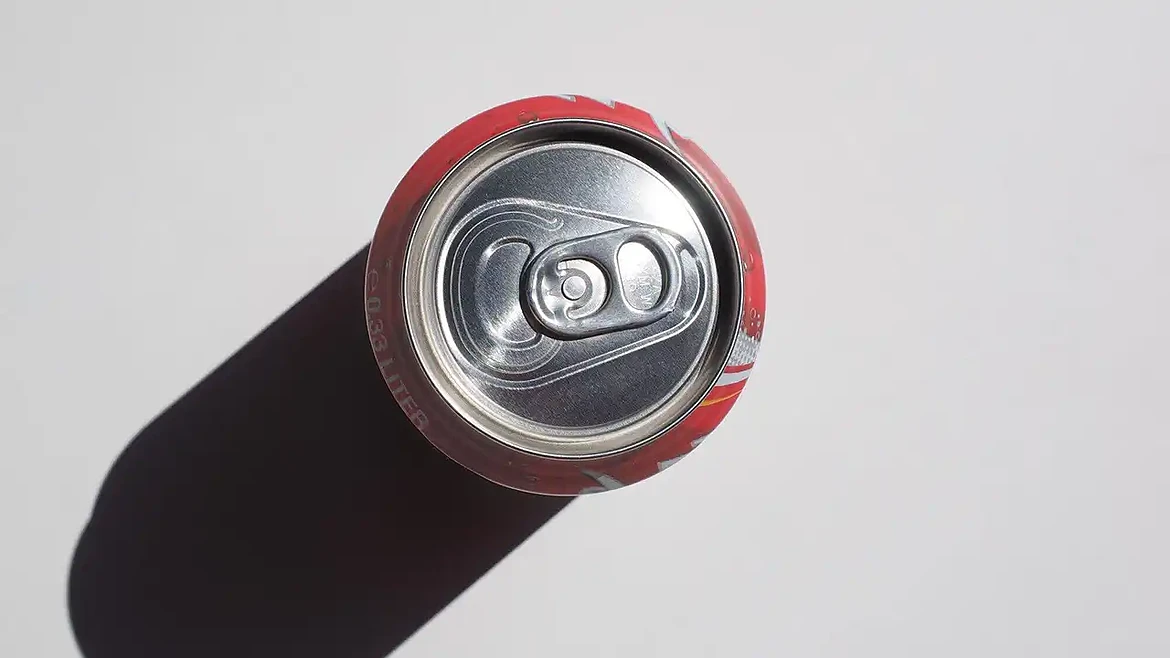
Beverage brands can grow without owning production infrastructure. If you own a beverage brand, you need to adopt this to give your customers the quality and fresher products they deserve. You need to scale your production to meet this demand.
As per B2BE, 50% of businesses still depend on manual processing methods, mostly startups. As a startup, you often start small with semi-manual fillers, hand-blended batches, or co-packers with a little flexibility. However, you can start experiencing low throughput, inconsistent batching, and minimal automation as your brand grows.
Building factories used to be the mark of growth for beverage brands. Unfortunately, having a factory right now can slow you down. To scale up to meet your demands cost-effectively, you can use your beverage brand without the need for production infrastructure.
What Is OEM Manufacturing in the Beverage Industry?
OEM (Original Equipment Manufacturing) is a production model that happens when an expert manufacturer makes beverages on behalf of another brand. If you're a beverage brand using OEM, you own the product identity, concept, and formulation. On the other hand, your OEM partner deals with:
- Raw material sourcing
- Production
- Quality control
- Compliance
- Bottling
- Labeling
- Packaging
As a beverage brand, the OEM model should be part of your brand growth tactics. It allows you to worry less about production processes and focus more on marketing your goods.
Why Are More Beverage Brands Scaling Without Owning Production Infrastructure?
Co-manufacturing is becoming popular in the beverage industry. Here are some outsourcing production benefits most brands enjoy:
Consistency at Scale
When you're scaling, you can't afford to lose quality. A reliable production facility uses:
- Strict QA systems
- Traceability protocols
- Standardized formulations
These scaling production strategies ensure that each beverage you produce maintains the same texture, taste, and compliance, no matter the number of batches you want to produce.
Faster Time to Market
If you're just starting your operations, you may take months to launch your new product. However, this doesn't have to be the case if you get a production partner who already has the right certifications.
With co-manufacturing, you can test, tweak, and launch your beverage faster. As a result, you can respond to market trends without delay.
Cost Efficiency
Building your own beverage factory can drain your finances. With production facility optimization, you don't have to deal with costly manufacturing. Getting a high-grade production partner means you access labor and equipment at a fraction of the cost.
Flexible Scalability
The demand for beverages is often seasonal or volatile. If you own a factory with idle capacity, you risk being inefficient.
Working with a production partner makes it easy for you to scale production up for high demand or down for slow periods. You can do this without having to deal with staff reductions or machine idle times.
Innovation on Demand
If you have reliable beverage copacking partners for scaling production, you not only produce but also evolve. The best comanufacturing partners offer R&D services, allowing you to experiment with new formats without disrupting your main production.
What Are the Key Beverage Industry Trends?
The beverage industry is quickly changing. Here are some beverage industry trends that are driving this new reality:
Stricter Regulatory Compliance
Regulatory authorities are becoming stricter when it comes to safety, labeling, and traceability. Track and trace programs are now a must-have for beverage brands. If you want to stay on top of compliance, you need to start investing in digital traceability systems.
Rising Consumer Demand for Transparency
Today, customers expect to have clear and dependable information about the beverages they want to buy. Their top priorities include:
- Nutrition facts
- Allergens
- Recall alerts
- Materials and ingredients
- Safety information
- Country of origin
Transparency and well-being are driving the choices of your consumer. If your brand provides this information, you'll earn the trust and loyalty of your customers.
Sustainability
Most consumers want more eco-friendly products and practices. As per PwC, customers are willing to spend an average of 9.7% more on sustainably produced goods. If your brand wants to boost its revenue, it's important that you enhance your supply chain initiatives to focus on sustainable efforts.
Consider adopting sustainable packaging. You can also start tracking products from raw materials to end-of-life, showcasing your sustainability efforts.
GS1 Digital Link
The GS1 Digital Link is a next-generation 2D barcode that's changing how packaging happens. One code can serve a lot of audiences, including:
- Retailers
- Regulators
- Consumers
It serves these bodies while also delivering context-specific information. With the GSI digital link, you can streamline compliance but also improve digital engagement.
Frequently Asked Questions
What Makes A Drinks Company Successful?
Branding is what will make your beverage company successful. If you have a well-established brand, customers can easily differentiate your company's products from your competitors.
To make your products known, you need to invest in brand awareness. You need to make your customers aware of your beverages and how they can improve their lives. When they know about you, they're likely to trust you.
What Is the Biggest Challenge in the Food and Beverage Industry?
Supply chain disruptions are a big problem for food and beverage brands. Some issues that lead to these disruptions are changes in the demand and supply, geopolitical tensions, and transportation issues. As a result, you may have to experience delays, shortages, and higher expenses.
Additionally, climate change can complicate things a lot. Due to it, you may have to deal with problems related to raw material availability.
What Is A SWOT Analysis In The Beverage Industry?
The SWOT analysis of a beverage brand can help you assess your current position and future potential. With it, you can look at:
- Strengths: Look at the unique elements your beverage brand brings to the market
- Weaknesses: Identify flaws
- Opportunities: Assess external factors that you can capitalize on
- Threats: Consider external factors that pose threats
You can leverage the strengths and opportunities to improve your profitability. For the weaknesses and strengths, you can make plans to mitigate them.
Scale Your Beverage Brand Operations With Ease
If you own beverage brands, the future is looking bright. Your sales can be higher than ever only if you leave production to a third party. Avoid the hassle of owning a factory.
For more business tips, get our newsletter.
This article was prepared by an independent contributor which helps us continue delivering quality content to our audiences.