
Types of renewable energy explained for homeowners and renters
Lettecha Johnson | Coeur d'Alene Press | UPDATED 4 months, 2 weeks AGO
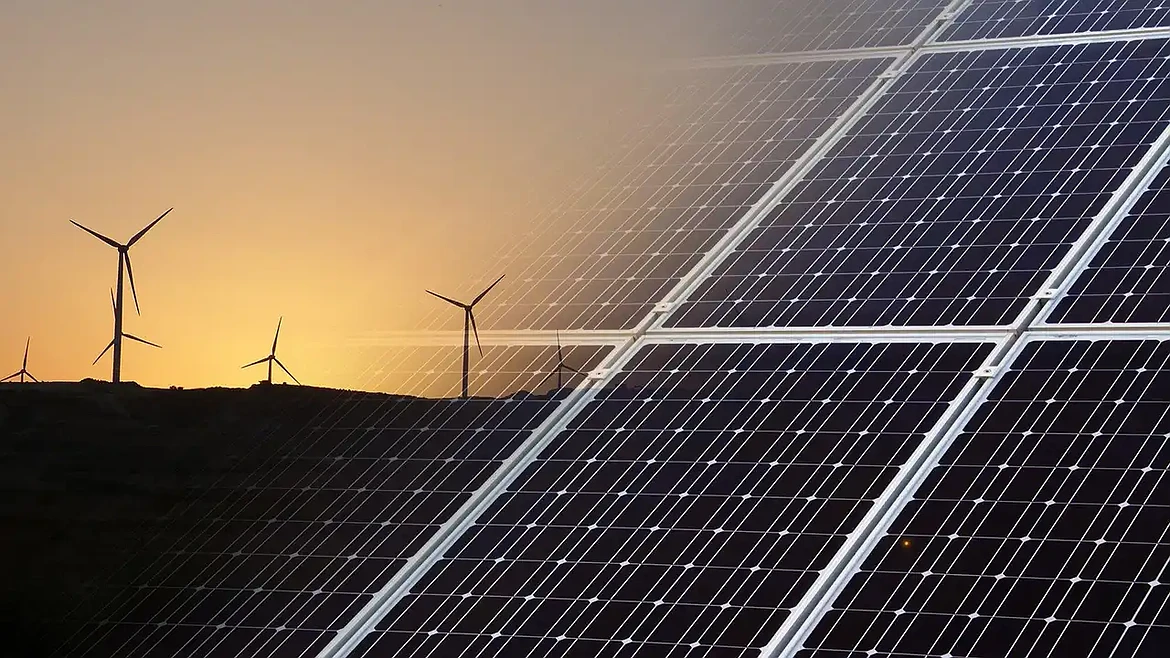
Homeowners and some renters can enjoy more types of renewable energy from solar panels on roofs to wind turbines to geothermal heat pumps. Renters can also benefit by signing up for local community solar without installing panels. Opting for cleaner energy means property owners and renters can drastically reduce or even illuminate monthly electricity bills, have less carbon impact on the environment, and enjoy greater self-sustainability by reducing reliance on the utility grid.
According to EIA, by 2020, 3.7% of U.S. single-family homes were using solar systems, and tax credits helped ease the transition. Those in rural areas can take advantage of their area's excessive wind and open space with turbine power, while residents in harsh winter climates enjoy geothermal heating instead of emissions from oil-based options.
What Is Sustainable Energy?
Sustainable energy can naturally replenish itself indefinitely and doesn't harm the environment or compromise the future generations' needs. Its energy generation produces little to no toxic carbon gases that add to global warming.
Sources include:
- Wind
- Sun
- Water
- Geothermal heat
Water provides hydropower through dams and ocean waves. Solar power is mostly harnessed by panels placed on rooftops, but solar technology has increased options that now include solar skins and floating solar water panels.
What Types of Renewable Energy Fit My Environment?
Those interested in using renewable sources must consider their property ownership status and climate. The United States alone has various climate zones in which solar may not always be the top option, but advanced power analyzers for engineers can help you choose the best source.
Climate
The best renewable source in a hot climate is usually solar energy due to high direct sun coverage. If your home area has a lot of trees, you may need to trim some of them to ensure they're not blocking the sun's direction into your panels.
Those near coastal areas, such as parts of California's coast, the UK, or Australia, can benefit from offshore and onshore wind turbines. However, those in the rural United States with enough regular wind measuring 4 meters per second(approx. 9 mph) can use small-scale wind turbine energy on open land or smaller rooftop units.
Areas with high elevation changes, such as mountainous climates that have high rainfall, can harness the power of moving water. Relying on the source and colder climates can have limitations if the water freezes in winter, so warmer zones near constantly flowing rivers or the ocean are best.
Those in frigid areas with long dark winters can rely on geothermal energy, which is why Iceland gets 90% of its energy from this source, according to Business Iceland. Geothermal heating has also provided efficiency by using underground heat for home water heating. This energy source can use the same technique to supply efficient cooling.
Homeowner
Most homeowners opt for solar panels, which go right on the roof. Many pair it with battery storage to store energy for backup power that provides non-stop energy. Homeowners can install geothermal pumps for long-lasting heating or cooling.
If you own at least half an acre of land, you can install your own land-based turbine or put one on your roof.
Renter
As a renter, you don't have much control over adjusting the infrastructure of the home you're in. However, you can sign up with utility providers who offer 100% renewable energy plans. You can also subscribe to a local solar farm and receive credits on your utility bill.
Why Is Electrical Power Generation A Global Initiative Now?
Increased electrical systems mean less reliance on dirty fuels such as gas and oil. Relying on fossil fuel-based energy requires constant digging into the Earth while adding to ongoing air pollution once it's in use.
The exhaust fumes from vehicles have been linked to ongoing health problems, from asthma to certain respiratory cancers. The global warming crisis has resulted in a large part from carbon-based fuels trapping heat in the environment, which creates larger and increasingly devastating weather patterns that cost the United States billions of dollars each year.
The popularity of electric cars has also led to a demand for more electrical modernization. Having an electrified home from various types of renewable energy allows one to install their own charging station instead of relying on public electric chargers while not paying for ever-fluctuating gas prices.
Plus, people want to make their homes more sustainable to improve their overall health and increase their home's marketability. 34% of realtor respondents said solar panels increased property values, according to 2023 data from the National Association of REALTORS Research Group.
Frequently Asked Questions
Which Country Is 100% Clean Energy?
Several countries have renewable energy success stories. These countries include:
- Iceland
- Ethiopia
- The Democratic Republic of the Congo
- Nepal
- Bhutan
- Albania
The Maldives is the current leader in the race to become the next country to reach net-zero carbon status. The Maldives are a widely scattered chain of islands in the Indian Ocean, and they pledge to reach net zero status by 2030 as long as they receive international support.
Which Country Wastes the Most Electricity?
As of 2024, China consumes the most energy in the world at 8990 TW per hour, per IDN Financials. It also accounts for nearly 1/3 of the world's total energy consumption. China also has a high production of carbon emissions at 9.9 billion, according to Climate Consulting, due to its high export of consumer goods and reliance on coal.
The United States follows behind with 4.4 billion tons of CO2 emitted, and India follows with 2.3 billion tons of CO2 emissions.
Enjoy a Cleaner Home with the Right Energy Choices
Understanding what types of renewable energy are available gives homeowners and renters more control over their lifestyle. These options often come with savings not only from tax credits but from the reduced or eliminated utility bills over time.
Homeowners can also rest assured they're doing their part for a cleaner planet by not adding more carbon exhaustion that can create public health problems. From water to geothermal to solar, the choice is yours in what type of sustainable home you have.
If you enjoyed learning about energy, review our website for more engaging lifestyle content.
This article was prepared by an independent contributor which helps us continue delivering quality content to our audiences.