
Water heater problems homeowners ignore until the damage is done
Arin Barry | Coeur d'Alene Press | UPDATED 2 weeks, 4 days AGO
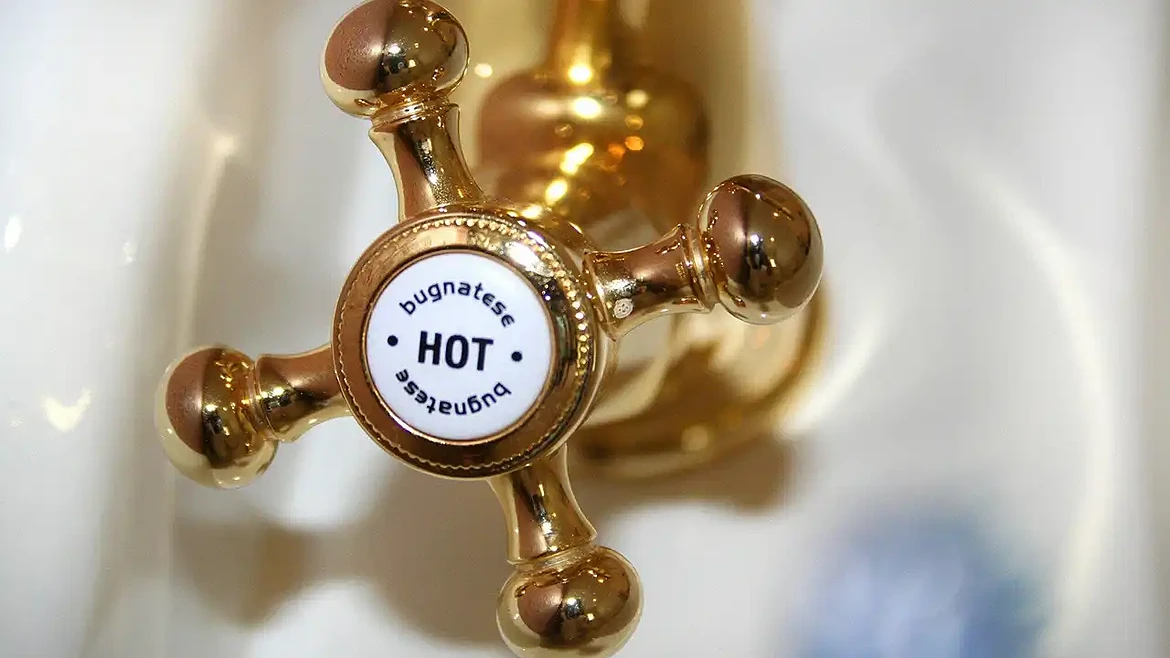
Water heater problems usually start small, and it's easy to brush them aside until something big goes wrong. Maybe you notice odd noises coming from the basement, or a small leak that doesn't seem urgent. Ignoring these issues, though, often leads to bigger headaches and expensive repairs.
Here's a number that might surprise you. A Gitnux 2026 report shows that appliance failures, including water heaters, cause about 14% of water damage in U.S. homes. This underscores why a faulty water heater can put your property at real financial and structural risk.
The good news is that with a few steps, you can stay on top of any possible issues. This article covers practical home plumbing maintenance tips to help you get started.
How Can You Tell Your Water Heater Is Starting to Fail?
Most units are hidden in basements, garages, or utility closets, making it easy to forget about them. In North Idaho, harsh winter conditions can put extra strain on home plumbing systems, so watch for:
Inconsistent Water Temperature
When your shower swings from hot to cold without warning, the heating element or thermostat may be failing. Mineral buildup inside the tank can also affect steady heating over time.
Strange Noises
A water heater should run quietly, so popping, rumbling, or banging sounds are a warning sign. Heated water can get trapped beneath the sediment layer, creating pressure and making sounds. Over time, this puts stress on the tank and reduces efficiency.
Leaks
Water showing up around the base of the unit or near valves usually points to a leak in the system. It can come from worn seals, loose parts, or internal damage. Leaks will only get worse and may lead to mold.
Discolored or Rusty Water
When tap water turns brown or rusty, it usually means the tank's interior is corroding. If the water smells unpleasant, bacteria may also be present.
Low Water Pressure
Hot water pressure may feel weaker at taps or showers than usual. This can happen due to restricted valves, buildup inside pipes, corrosion in fittings, or, in some cases, issues with the pressure relief system.
Hot Water Runs Out Fast
If hot water does not last as long as it used to, the system may be losing efficiency. Internal wear and mineral buildup can reduce the tank's ability to store and heat water effectively.
Rising Energy Bills
A water heater that loses efficiency has to work harder, which drives up utility costs. A sudden spike in bills without another cause is a warning sign.
Frequent Repairs
Repeated service calls often point to deeper system wear. At that stage, replacement is often more cost-effective than continued fixes.
Visible Corrosion
Rust on the tank or around fittings means protective coatings have failed. Once metal is exposed, leaks and system failure are only a matter of time.
Pilot Light or Ignition Problems
Gas systems with a pilot light that keeps going out may have a faulty thermocouple or a gas control issue. Tankless systems with ignition problems often involve sensors or electrical faults.
Water Too Hot
Water that becomes scalding despite the correct thermostat settings usually indicates a temperature-control failure. This can create safety risks and should be inspected promptly.
How Can You Extend Your Water Heater's Life?
For North Idaho homeowners, adding your water heater to a spring home maintenance checklist is a smart step. Start your home plumbing inspection at the base of the unit, check the valves, and nearby pipes for any signs of dripping or dampness.
Flush the Tank Once a Year
Flushing removes sediment that settles at the bottom of the tank over time. This is done by shutting off the power or gas, closing the cold water supply, and draining the tank through a hose until the water runs clear. Once finished, the system is refilled before power or gas is restored.
Test the Pressure Relief Valve
The temperature and pressure relief valve can be tested periodically, but it should be done with caution since it may release hot water or pressure. Always follow the manufacturer's guidelines or have it checked during routine professional maintenance.
Set a Safe Temperature
A thermostat setting around 49-54°C (120-130°F) helps lower strain on the system and keeps water at a safer temperature. It also supports better energy efficiency.
Inspect the Anode Rod Periodically
Don't forget to check the anode rod every so often. It's designed to corrode first, protecting the tank. Replacing it will significantly extend the unit's life.
Just a heads-up: if you have a tankless water heater, the maintenance is different and usually involves descaling following the manufacturer's guidelines.
When Should You Call a Professional?
Some water heater issues are simple enough for a homeowner to manage, while others involving gas, electricity, or internal components should be left to a licensed technician.
Working with a trusted service provider like Eyman Plumbing Heating & Air ensures accurate diagnosis and safe repairs every time.
Frequently Asked Questions
What Kind of Lifespan Do Most Water Heaters Have?
A standard tank water heater may last 8 to 12 years, while tankless systems often continue working for up to 20 years. Water quality and maintenance habits heavily influence lifespan
What's the Typical Cost to Fix a Water Heater?
Repair costs vary depending on what has failed. A small part replacement, like a valve or thermostat, is usually on the lower end (around $75 to $300), while electrical faults or internal tank issues can be much more expensive.
To get an accurate price, it is best to get a quote from a qualified technician.
Is It Safe to Use Hot Water if the Heater Is Showing Problems?
It depends on the issue. If you notice leaks, rusty water, or gas-related problems, it is best to stop using the system and have it inspected. Minor temperature fluctuations may not require immediate shutdown, but should still be checked.
Making Sense of Common Water Heater Problems
Don't let water heater problems catch you off guard. Taking notice of early warning signs and keeping up with maintenance can go a long way in avoiding stress, damage, and unnecessary costs. When in doubt, it's best to get professional advice to avoid guesswork and get straight to the solution.
Looking for more home maintenance articles? Explore our website for resources and expert guidance.
This article was prepared by an independent contributor which helps us continue delivering quality content to our audiences.