
Don't 'kitnap' the kittens
Bonner County Daily Bee | UPDATED 5 months, 2 weeks AGO
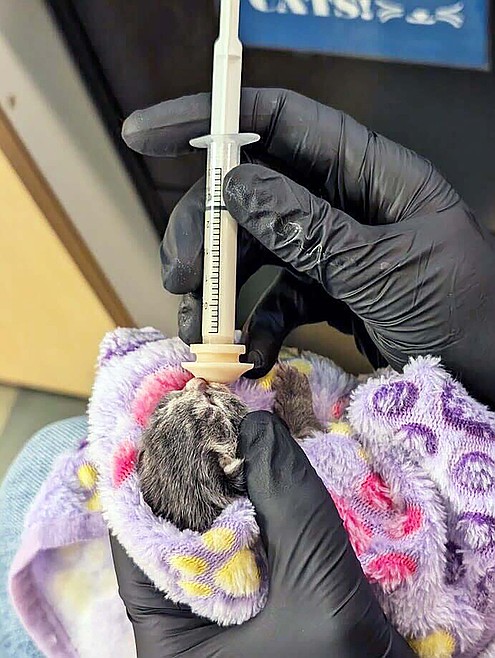
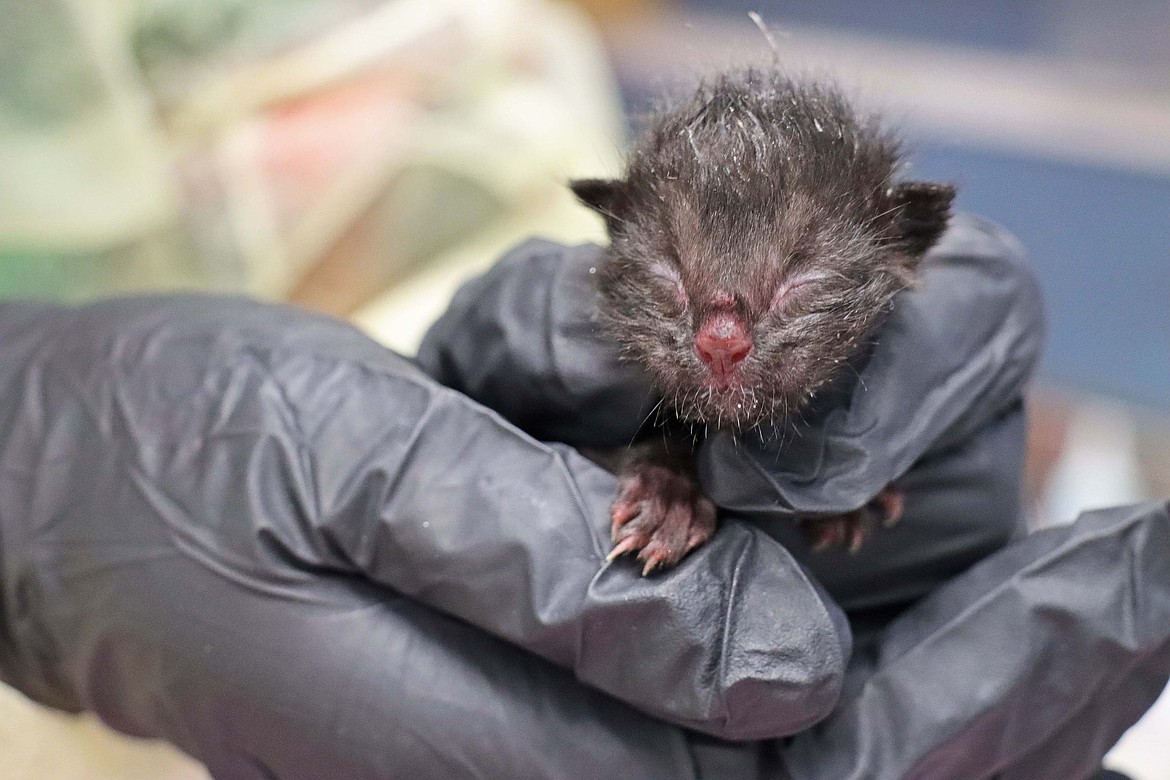
PONDERAY — Warmer weather means blooming flowers, longer days and at Better Together Animal Alliance, it also means the start of kitten season.
Each spring and summer, cats across the country give birth, and animal shelters experience a surge in the intake of newborn kittens. During this time, well-meaning community members often bring litters they find outside to local animal shelters, hoping to help.
But the truth is, the best way to help is often to leave the kittens right where they are — with their mother, BTAA officials said.
BTAA officials said young kittens rely on their mom for everything. They nurse as often as every two hours, need help staying warm, and depend on their mother to help them go to the bathroom.
"No human can replace that level of care," Mandy Evans, BTAA executive director, aid.
When kittens are separated from their mother too soon, their chances of survival drop significantly. Neonatal kittens, those under four weeks old, require constant, round-the-clock care. Even in shelters equipped to provide it, these fragile babies are more vulnerable to illness. Studies show that up to 40 percent of orphaned kittens may not survive, and kittens are four times more likely than adult cats to die in animal shelters.
If you find a litter of kittens outside, take a moment to observe before stepping in. Healthy kittens should be clean and dry, with no visible injuries and full, round bellies. If the kittens appear safe and healthy, their mother is likely nearby, possibly out searching for food. Wait at least three hours to see if she returns. If you can’t stay nearby, sprinkling a little baking flour around the area can help you check later for paw prints
BTAA officials said individuals should only intervene if the kittens or their mother appear sick, injured, or in immediate danger, such as near a busy road. If the mother does not return after several hours, they recommend contacting your local animal shelter, like BTAA, for guidance.
"Even when kittens are thriving outdoors, there is still a way to help," Evans.
Once the kittens are around eight weeks old, the family can be humanely trapped, spayed or neutered, and returned to their outdoor home through a program called Trap-Neuter-Return. Social kittens may even be placed for adoption.
Evans noted that some kittens do truly need help, when they are sick, injured, or genuinely orphaned. When that happens, animal shelters rely on foster families to provide temporary care until the kittens are old enough to be adopted, she said.
BTAA provides foster families with all the supplies and medical care needed for foster kittens. Anyone interested in helping kittens this season can learn more by contacting [email protected].
"Even if fostering isn’t possible, community members can still make a difference by helping spread the word," Evans said. "During kitten season, the best way to help is simple: don’t kitnap the kittens."
For more information about what to do if you find kittens outdoors, visit bit.ly/btaakittens.
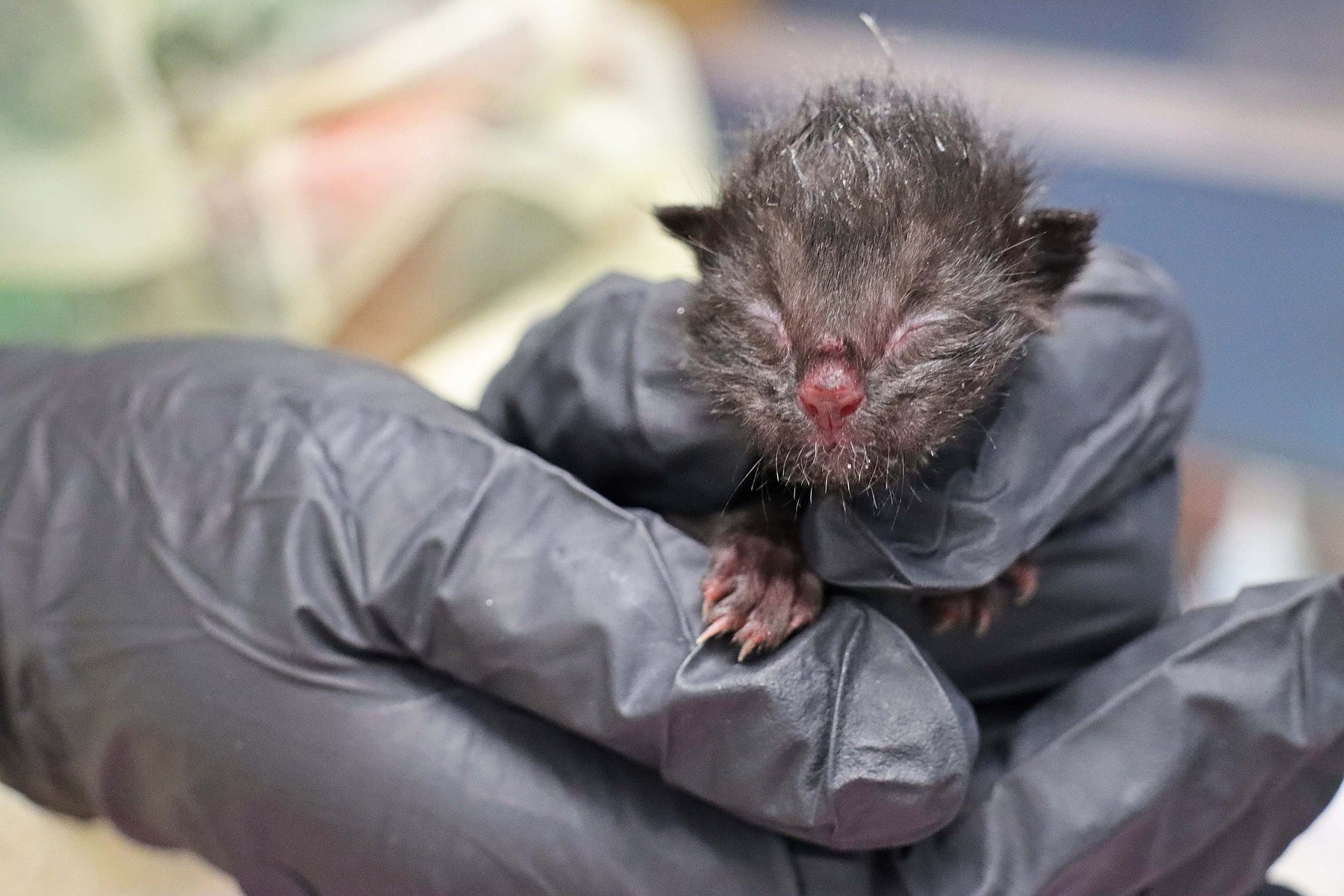 A newborn kitten is pictured after being bottle-fed by a BTAA volunteer kitten foster.