
How high-performance window systems can transform your home's energy efficiency
Cristal Dyer | Daily Inter-Lake | UPDATED 1 month, 4 weeks AGO
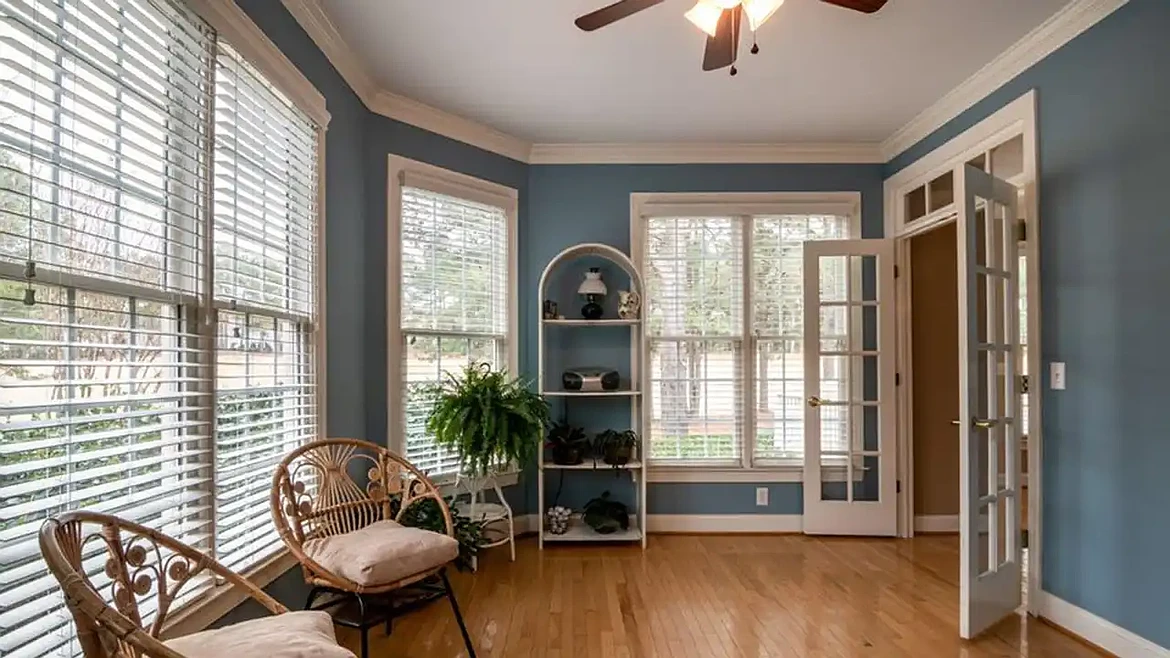
Upgrading to a high-performance window system is one of the most effective ways to cut your home's energy consumption. Modern windows with Low-E coatings, double- or triple-pane glass, and insulated frames reduce heat transfer and ease the load on your HVAC system. The right upgrade stabilizes indoor temperatures and lowers utility bills throughout the year.
According to the U.S. Department of Energy, windows account for 25 to 30% of residential heating and cooling energy use. That's a significant share of your energy bill tied directly to what's sitting in your walls.
Drafty, aging windows push heating and cooling systems to run longer just to maintain a comfortable temperature, and that constant strain adds up fast. High-performance windows tackle that problem at the source.
Why Do Windows Have Such a Big Impact on Energy Bills?
Old windows actually let a surprising amount of energy escape from your home. Gaps around frames, thin glass, and poor seals all allow heat to pass through freely.
In winter, warm air often leaks out steadily; in summer, outside heat pushes in. Your heating and cooling system then runs longer to compensate, and that extra runtime drives up your energy costs over time.
Replacement windows with better insulation can change that pattern significantly. A furnace or air conditioner that cycles on and off more frequently will typically wear out faster and cost more to run. Many homeowners only connect the problem to their windows when they see bills spike during the coldest or hottest months.
How High-Performance Window Systems Improve Efficiency
Energy-efficient windows work by basically combining several features that reduce the movement of heat through glass and frames. Modern window solutions bring multiple layers of glass, special coatings, and sealed air pockets together to create a much stronger thermal barrier. Each one plays a distinct role in keeping your home at a steady, comfortable temperature.
The combination of features works as a system. Replacing one part, like upgrading glass without updating the frame, often produces smaller gains than upgrading the full window unit.
Each feature in a high-performance window clearly addresses a specific source of heat transfer. Together, they significantly reduce the energy your home needs to stay comfortable year-round.
Some of the most effective features include:
- Double- or triple-pane glass traps air or gas between panes to slow heat transfer
- Low-emissivity coatings reflect heat and still let visible light pass through
- Argon or krypton gas fills the space between panes for extra insulation
- Insulated frames in vinyl, fiberglass, or composite materials reduce heat flow
- Warm-edge spacers keep panes separated and help minimize condensation
What Should You Look for When Choosing a High-Performance Window?
Choosing the right window means looking beyond appearance. Weather-resistant windows need to perform well in your specific climate, so matching a product's specifications to local weather conditions matters quite a lot.
Climate plays a bigger role in window selection than many buyers realize. A window rated for a mild coastal climate may not perform as well in a region with harsh winters or intense summer sun.
A well-chosen energy-efficient window upgrade will carry clear performance ratings that make it easier to compare options before you commit.
Performance ratings actually give you an objective way to evaluate windows before you buy. You'll find these ratings on a label attached to the window or in the product specifications.
Here are some key ratings to look for:
- The U-factor measures heat loss prevention, with lower numbers indicating stronger insulation performance
- The Solar Heat Gain Coefficient shows how much solar heat passes through the glass
- ENERGY STAR certification confirms a product meets federal energy efficiency standards
- Frame material affects both long-term durability and how much heat moves through the window
- Manufacturer warranties often cover the glass unit and the frame under separate terms
Why Professional Installation Makes or Breaks Performance
Even a high-quality window will underperform if the installation leaves gaps around the frame. Air leaks around the edges can undo a significant portion of the thermal benefit that the window provides. A professional installer seals the frame properly, uses the right materials, and checks that the fit is tight on all sides.
Poor installation can sometimes include gaps between the window frame and the surrounding wall, improper flashing, or sealant that dries out too quickly. Any of these issues can, over time, let moisture and cold air into your home.
A common sign of poor installation is condensation that forms regularly on the inside of the window frame; that moisture signals that outside air is finding a way through, which adds to heat loss and can lead to mold over time.
The window experts at Reece Windows, for instance, bring hands-on experience to every job, which really helps homeowners avoid those kinds of costly problems.
Frequently Asked Questions
Are There Tax Credits or Rebates Available for Energy-Efficient Window Upgrades?
Yes, the U.S. federal government offers tax credits for qualifying energy-efficient window upgrades through the Inflation Reduction Act. Many state and utility programs actually offer their own rebates on top of that.
Do High-Performance Windows Reduce Noise From Outside?
High-performance windows can really offer meaningful noise reduction as a side benefit. The extra layers of glass and the sealed air space between panes work together to absorb and block sound.
How Do I Know if My Current Windows Need Replacing Rather Than Just Resealing?
If you notice visible gaps, fogging between panes from a broken seal, or frames that feel warped or soft to the touch, replacement is usually the right call. Resealing can fix minor air leaks around the frame, yet it can't address failed glass units or structural damage to the frame itself.
Ready to Stop Overpaying on Energy Bills?
High-performance window systems offer a clear, practical path to a more energy-efficient home. With the right combination of advanced glass technology, insulated frames, and professional installation, you can reduce heat loss, cut HVAC runtime, and see meaningful savings on your energy bills over time.
Every feature covered in this article works together toward the same outcome: a more comfortable home that costs less to run. Read more on our website to explore in-depth guides, product comparisons, and expert advice.
This article was prepared by an independent contributor which helps us continue delivering quality content to our audiences.