
PROGRESS: Answering the call: Search and Dive Rescue Team
JENNIFER WRIGHT | Hagadone News Network | UPDATED 6 months AGO
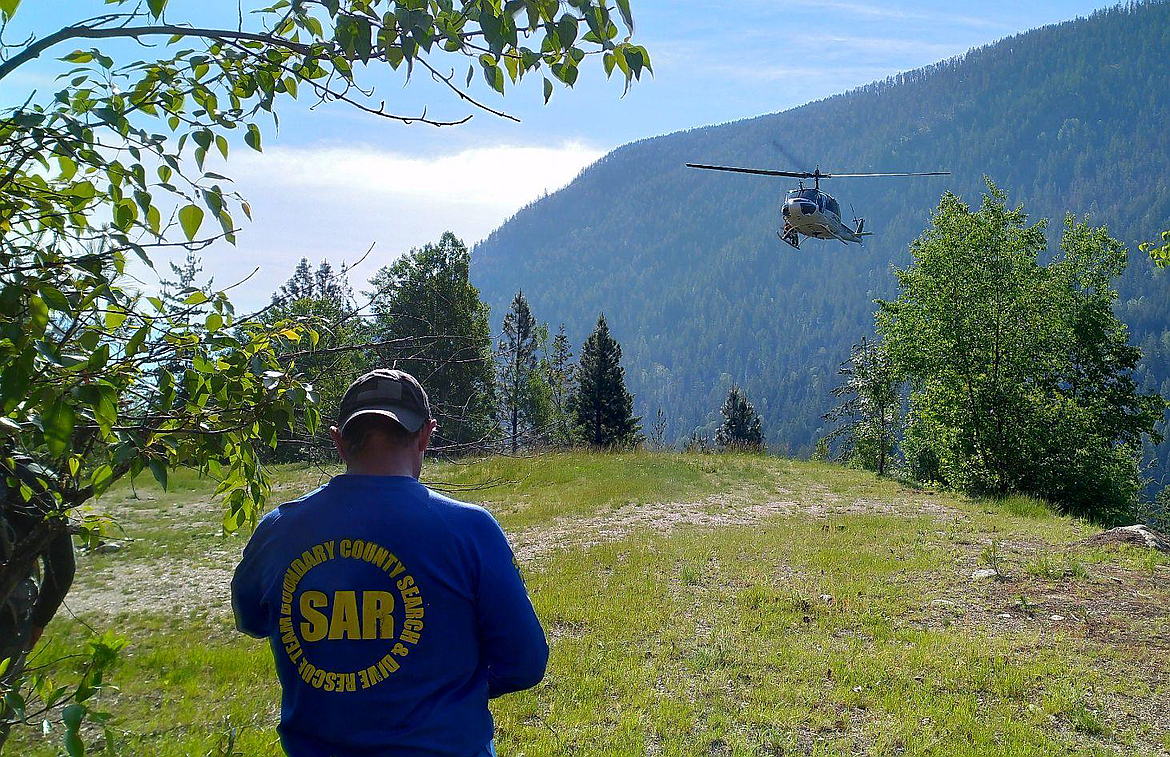
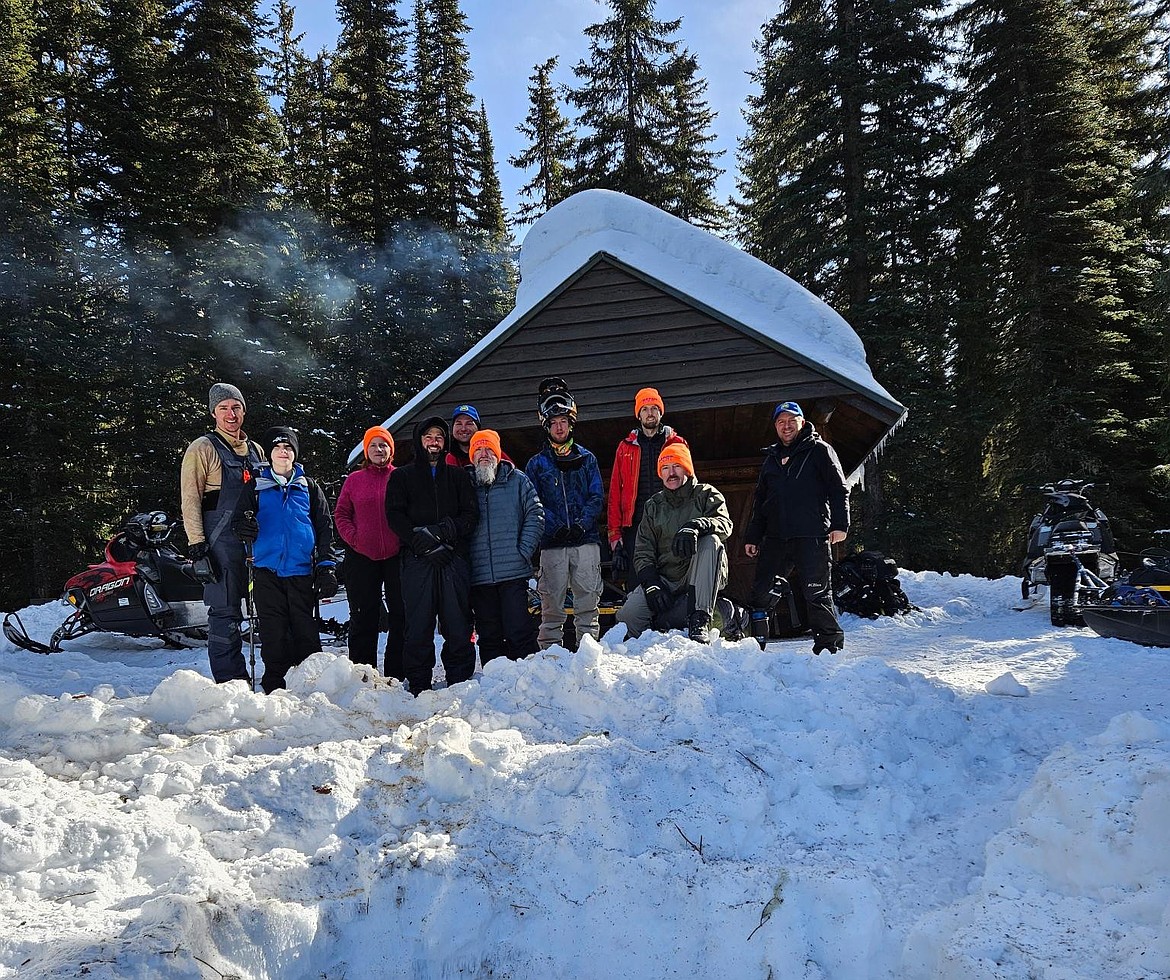
On any given day in Boundary County, a group of volunteers stands ready to drop everything to head into the woods, mountains or waterways in search of someone who didn’t make it home.
For more than four decades, the Boundary County Search and Dive Rescue Team have quietly filled that role, responding when the call comes and often working behind the scenes to bring people to safety. Now, the organization is building on that foundation with expanded training, new technology, and a focus on strengthening its operations for the future.
Founded in 1983, the Boundary County Search and Dive Rescue Team operate as a nonprofit, volunteer-based organization that works in coordination with the Boundary County Sheriff’s Office. While the sheriff retains responsibility for search and rescue operations, trained volunteers carry out most of the fieldwork.
“When a call comes in, it goes through the sheriff’s office first,” said President Mario Anest. “But once we’re activated, we’re typically managing the search because that’s our area of expertise.”
The team responds to an average of 10 to 20 calls each year, though that number can fluctuate. Calls range from lost hikers and berry pickers to stranded snowmobilers, missing children, and vulnerable adults. Most searches are resolved within six to 12 hours, but conditions such as terrain, weather and how much information is available can quickly complicate a situation.
One of the most significant challenges, Anest said, is when there is little to no information about where a person may be.
“The biggest mistakes people make are not telling anyone where they’re going and not being prepared to spend a night out,” he said.
He encourages anyone heading into the outdoors to share their plans, including location, route and expected return time, and to stick to those plans as closely as possible. Even small changes can make a search more difficult if something goes wrong.
“Have enough with you to get through the night if you need to,” Anest said. “It doesn’t have to be comfortable, but you need to be able to survive.”
The organization itself is entirely volunteer run, something Anest said is often misunderstood.
“The biggest misconception is that we get paid,” he said. “Every person you see out there is volunteering their time.”
Over the past year, BSDRT has made significant strides in training and organization. The team has adopted a more structured approach that allows members to specialize in areas such as rope rescue, swift water, tracking, and canine work, in addition to general search skills.
Training has also expanded beyond the traditional monthly sessions, with additional opportunities for members to build skills throughout the year.
The team is also in the early stages of developing a junior search and rescue program for youth ages 14 to 17, aimed at introducing younger community members to emergency response and public service.
In the past year, BSDRT implemented Starlink satellite service to improve communication in remote areas where radios and cell phones are unreliable. The system also supports digital mapping tools that allow search coordinators to track teams and better manage search areas.
“It’s made a big difference for us,” Anest said. “We can stay connected and see exactly where our teams have been.”
The team has also added a utility terrain vehicle equipped for winter use, improving access to remote areas and helping responders reach stranded individuals more efficiently.
Looking ahead, one of the team’s primary goals is to develop formal standard operating procedures across all aspects of its operations. These guidelines will help ensure consistency, improve training, and provide a clear framework for both current and future members.
BSDRT is funded entirely through donations and local fundraising efforts, including events such as a golf scramble, fair booth raffles and community partnerships.
Anest said community support has been strong, but when it comes to active searches, the best way for the public to help is to wait for direction.
“There are times when we will ask for help, and when we do, we’ll make that clear,” he said. “But people going out on their own can actually make things harder by disturbing clues or creating confusion.”
For those interested in getting involved, the team is always looking for volunteers. Meetings are held twice a month, and prospective members are encouraged to attend and learn more about what the organization does.
“We’ve had a lot of support from the community,” Anest said. “And if someone wants to help, we’d love to have them come out and be part of it.”
 Boundary County Search and Dive Rescue Team
ARTICLES BY JENNIFER WRIGHT

Chamber launches Welcome Bag program for new residents
BONNERS FERRY — The Bonners Ferry Chamber of Commerce has launched a new Welcome Bag program to help residents moving to the area become familiar with local businesses, organizations and community resources.

Rotary Community Breakfast brings residents together for food and fundraising
BONNERS FERRY — The Bonners Ferry Rotary Club brought together area residents for a morning of food, fellowship and fundraising for local projects as members held the organization’s annual free Community Breakfast and Silent Auction on Oct. 17.
Idaho's Liberty Bell to visit Bonners Ferry Oct. 27
BONNERS FERRY — Idaho's Liberty Bell will make a stop at Boundary County Middle School on Tuesday, Oct. 27, as part of a statewide tour commemorating America's 250th anniversary.