
Why modular construction is driving demand for more flexible lifting solutions
Cristal Dyer | Bonner County Daily Bee | UPDATED 5 months AGO
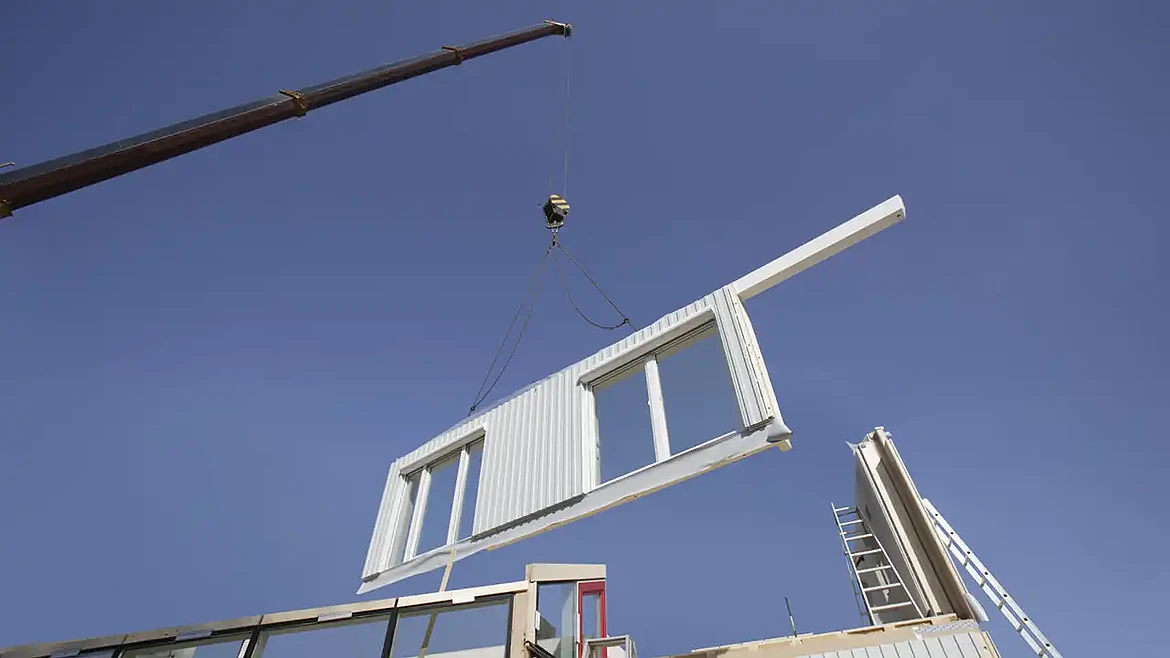
Modular construction is driving demand for flexible lifting solutions because pre-finished, oversized modules require precision placement, coordinated scheduling, and purpose-built equipment that standard crane setups struggle to deliver reliably. Hydraulic column lifts, specialized rigging platforms, and crane-minimizing workflows are quickly becoming the new standard across the industry.
Imagine a module arrives on site with finished walls, installed windows, and live mechanical systems already in place... and the crane wasn't spec'd for the load distribution. The rigging takes longer than planned, tolerances tighten, and what should have been a controlled operation starts absorbing time the schedule never had to spare. Every trade waiting downstream feels the ripple, while the factory producing the next unit keeps moving regardless.
That combination of unforgiving tolerances, pre-finished surfaces, and factory-timed logistics is exactly what's forcing the lifting industry to rethink its approach from the ground up.
How Is Modular Construction Changing Industry Norms?
Traditional construction has always treated lifting as a flexible field task. Crews call in equipment when ready and adjust on the fly as conditions change.
Modular construction operates on a very different set of rules, and that distinction shapes everything from scheduling to crew safety. Modules arrive pre-finished and on a strict delivery timeline, so lifting actually becomes a critical step that sets the pace of the whole project.
That level of coordination requires a fundamentally different approach to lift planning, one that starts at the design stage rather than on the morning of the lift. In some respects, it turns lifting from a field decision into a production process.
Construction industry trends show this shift is changing how teams plan and execute lifts. Lifting now has to align with factory output, transport schedules, and site readiness. Crane availability is typically the last factor in the equation.
Teams need flexible lifting equipment that handles precision placement without damaging finished surfaces, such as:
- Windows
- Walls
- Installed mechanical systems
Safety planning carries more weight, too, since a single failed lift can affect the module, the schedule, and every trade following on-site.
What the Shift Looks Like in Practice
The newer approach to lifting prioritizes speed and repeatability across the whole operation. Rather than relying on general-purpose cranes and improvised rigging, modular sites are moving toward systems built specifically for oversized, pre-finished loads.
Versatile building solutions like hydraulic column lifts are a clear sign of this shift in action. A six-hydraulic-lift setup can raise modules smoothly to deck height, help prevent twisting, and reduce the complex positioning that more traditional operations typically require.
The practical benefit is that crews spend less time repositioning and more time completing picks.
The move toward specialized systems is changing the role that pre-planning plays before crews step on site. Lift sequences that once got worked out on the day now go through detailed preparation, often using digital modeling that maps out pick points, load paths, and timing windows in advance.
Some purpose-built rigging platforms can set two to three modules in the time a standard setup would need for one, which is a fairly significant efficiency gain that compounds across a full project schedule.
Advanced Lifting Solutions Redefining the Industry
Innovative lifting technologies are now reshaping what's possible on modular sites. Teams are actually moving toward purpose-built systems that match the specific demands of modular builds, and the performance gains are measurable. The shift spans rigging design, planning tools, and on-site workflows all at once.
Some of the most advanced systems now in use include:
- Modular lifting systems that optimize pick points and reduce handling risk during installation
- Synchronized hydraulic column lifts that move loads vertically without crane dependency
- BIM-integrated lift planning tools that sequence every pick before modules arrive on site
- Specialized spreader bars and load-sharing frames that distribute weight evenly across large modules
A powerful lifting system like Fluor's Modular Lifting System reportedly eliminates the need for assist cranes and cuts handling risk through lighter slings and slide-based positioning. These systems really make the whole operation faster and safer, and that efficiency is exactly what tight modular schedules demand.
Why Does Lifting Flexibility Matter for the Future of Construction?
The modular construction benefits extend well beyond faster project timelines. Flexible lifting equipment significantly reduces crew exposure to heavy rigging, cuts the number of on-site adjustments, and helps teams hit tighter installation windows more consistently.
Teams that commit to flexible lifting methods tend to see measurable gains across several areas:
- Fewer crew movements per module, which reduces fatigue and on-site risk
- Lower costs from reduced re-rigging and fewer assist cranes on site
- Faster module turnover from factory to foundation, keeping downstream trades on schedule
- More predictable project timelines that are easier to communicate to clients and stakeholders
Frequently Asked Questions
What Is the Difference Between a Modular Lifting System and a Standard Crane Setup?
A standard crane setup uses general-purpose equipment and relies on field crews to adapt rigging as conditions change on site. A modular lifting system is purpose-built for oversized, pre-finished loads, with optimized pick points and slide-based adjustments that reduce handling risk and speed up installation.
How Does BIM Improve Lift Planning on Modular Construction Sites?
BIM lets teams map out the full lift sequence digitally before a single module reaches the site. That kind of pre-planning helps crews spot potential problems early, coordinate with factory schedules, and reduce delays caused by on-site improvisation.
Are Flexible Lifting Solutions Cost-Effective for Smaller Modular Projects?
Flexible lifting equipment typically carries a higher upfront cost, yet the savings in labor, crane hire, and schedule delays often make it the more economical choice over the life of a project. Smaller projects can still benefit, particularly when modules are high-value or the installation window is tight.
A Smarter Approach to Lifting on Modular Sites
Modular construction has fundamentally changed what lifting demands, and the industry is meeting that challenge with specialized systems built for precision, speed, and repeatability. From synchronized hydraulic column lifts to crane-minimizing rigging workflows and BIM-integrated scheduling, these solutions represent a concrete step forward for project teams managing complex, time-sensitive builds.
Knowing how these technologies work and why they exist helps you make sharper equipment decisions, reduce site risk, and keep pace with how modern construction operates. Visit our website to explore more in-depth resources on advanced lifting solutions and the trends reshaping the industry.
This article was prepared by an independent contributor which helps us continue delivering quality content to our audiences.