
Garden smarter
NANCE BESTON | Hagadone News Network | UPDATED 3 months AGO
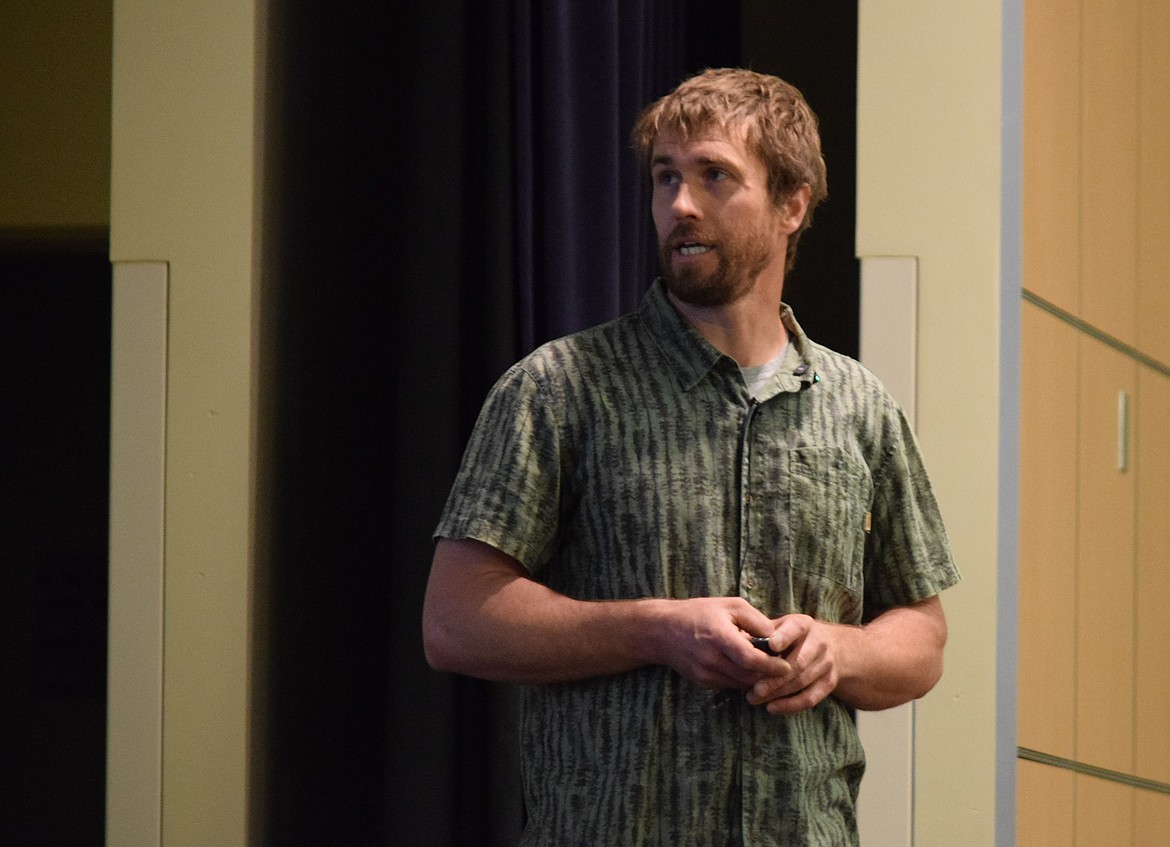
Soap Lake farmer and certified arborist Issac Lnenicka opened the Master Gardeners event Saturday. One of the things he discussed is not planting things if you don’t eat them.
NANCE BESTON/COLUMBIA BASIN HERALD
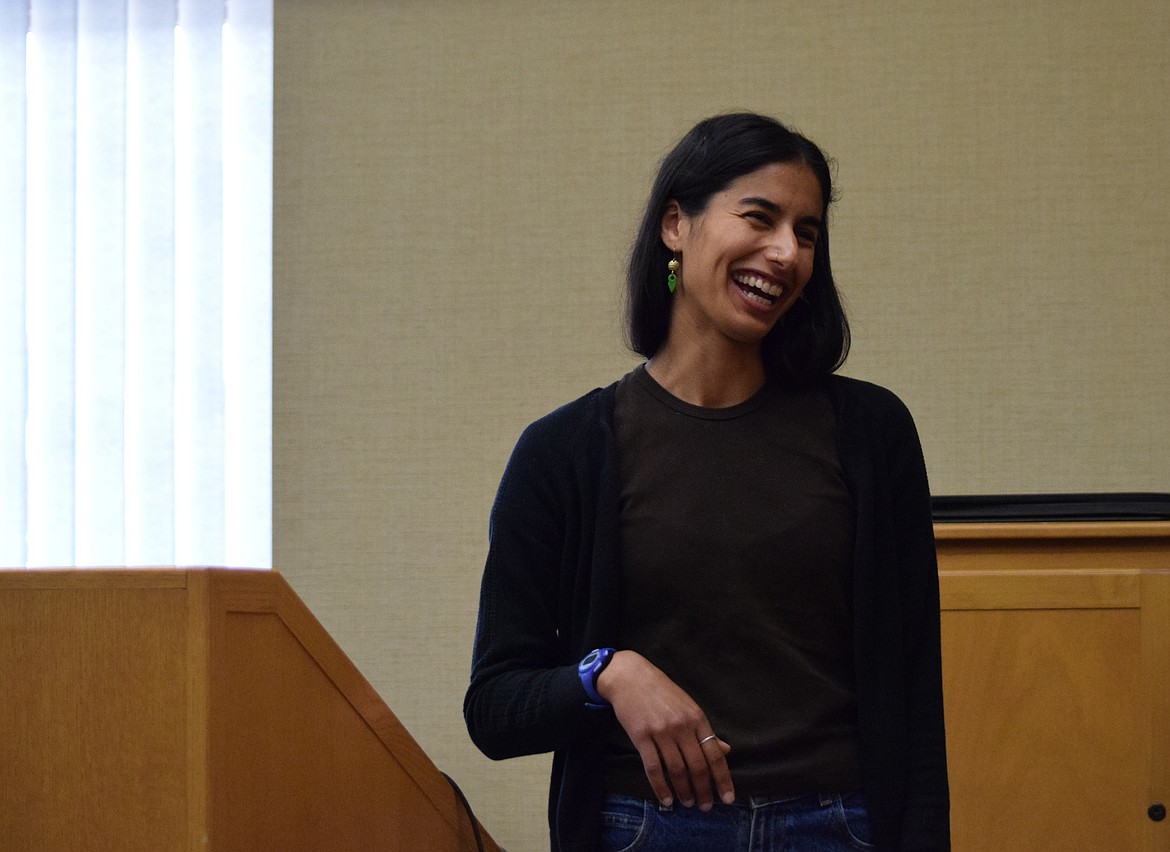
Columbia Basin Conservation District planner Indira Kulkarni held a break-out session on pests in the region. She strongly encouraged residents to use integrated pest management, instead of pesticides to handle bugs.
MOSES LAKE — Home gardeners packed the ATEC building at Big Bend Community College on Saturday for a Master Gardeners eco‑gardening workshop that blended science, soil care and hands‑on pest management — all tailored to the Columbia Basin’s unique growing conditions.
Start with your real life, not your Pinterest board
Soap Lake farmer and certified arborist Issac Lnenicka opened the day by urging gardeners to begin with honest self‑assessment: what they eat, how much time they have and what their yards can realistically support.
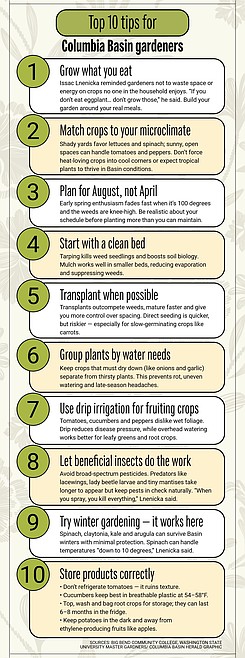
“If you don’t eat eggplant… don’t grow those, don’t waste your time,” he told attendees. “Focus on things you do.”
Lnenicka encouraged gardeners to map sunlight, consider livestock needs, and avoid the trap of early‑spring enthusiasm — the kind that leads to overplanting in April and burnout in August.
He also reminded gardeners that the Basin’s climate is far more productive than many assume. Winter‑hardy greens like spinach and claytonia can survive temperatures in the teens.
“Spinach… can handle down to 10 degrees,” he said. “That stuff can grow all winter, snow on it.”
Soil biology over fertilizer
Lnenicka’s strongest message centered on soil health. Compost, he said, is less about nutrients and more about biology — the living organisms that unlock minerals already present in the soil.
He described tarping, mulching and flame‑weeding as tools to reduce weed pressure without chemicals. He also urged gardeners to avoid broad pesticide use, which kills beneficial insects that keep pests in check.
“When you spray, you kill everything,” he said. “The prey organisms come back much quicker than your predator organisms.”
His greenhouse photos showed lacewing eggs, tiny mantises and lady beetle larvae — all natural allies in a home garden.
Know your pests before you fight them
In a breakout session, Indira Kulkarni, a planner with the Columbia Basin Conservation District and a crop science researcher, walked gardeners through the region’s most common pests.
Her list included aphids, armyworms, thrips, leafhoppers, squash beetles, codling moths and the ever‑persistent Colorado potato beetle. She also noted that slugs, snails and nematodes — though not insects — can cause serious damage in irrigated home gardens.
Kulkarni emphasized integrated pest management, a science‑based approach that prioritizes prevention, monitoring and targeted action.
Her message: spraying first and asking questions later often makes problems worse.
Practical takeaways for home gardeners
Across the sessions, several themes emerged — all rooted in the Basin’s climate and soils:
• Plant what you’ll actually eat.
• Group crops by water needs to avoid drowning one plant while drying out another.
• Transplant when possible to give crops a head start over weeds.
• Use tarps or mulch to create clean seedbeds.
• Store produce correctly. Lnenicka warned that refrigerating tomatoes “ruins the texture” and that cucumbers keep best in breathable plastic at slightly warmer temperatures.
• Expect pests and learn their life cycles before choosing controls.
The day ended with gardeners trading stories about deer, dandelions and the eternal battle against zucchini overproduction.
A region built for growing
Both presenters agreed that the Columbia Basin is one of the most forgiving – and abundant – growing regions in the country.
“There’s so much food you can grow around here, it’s mind‑blowing,” Lnenicka said.
For home gardeners, the workshop offered more than tips. It offered a mindset: observe first, plan realistically and let the region’s climate work for you.
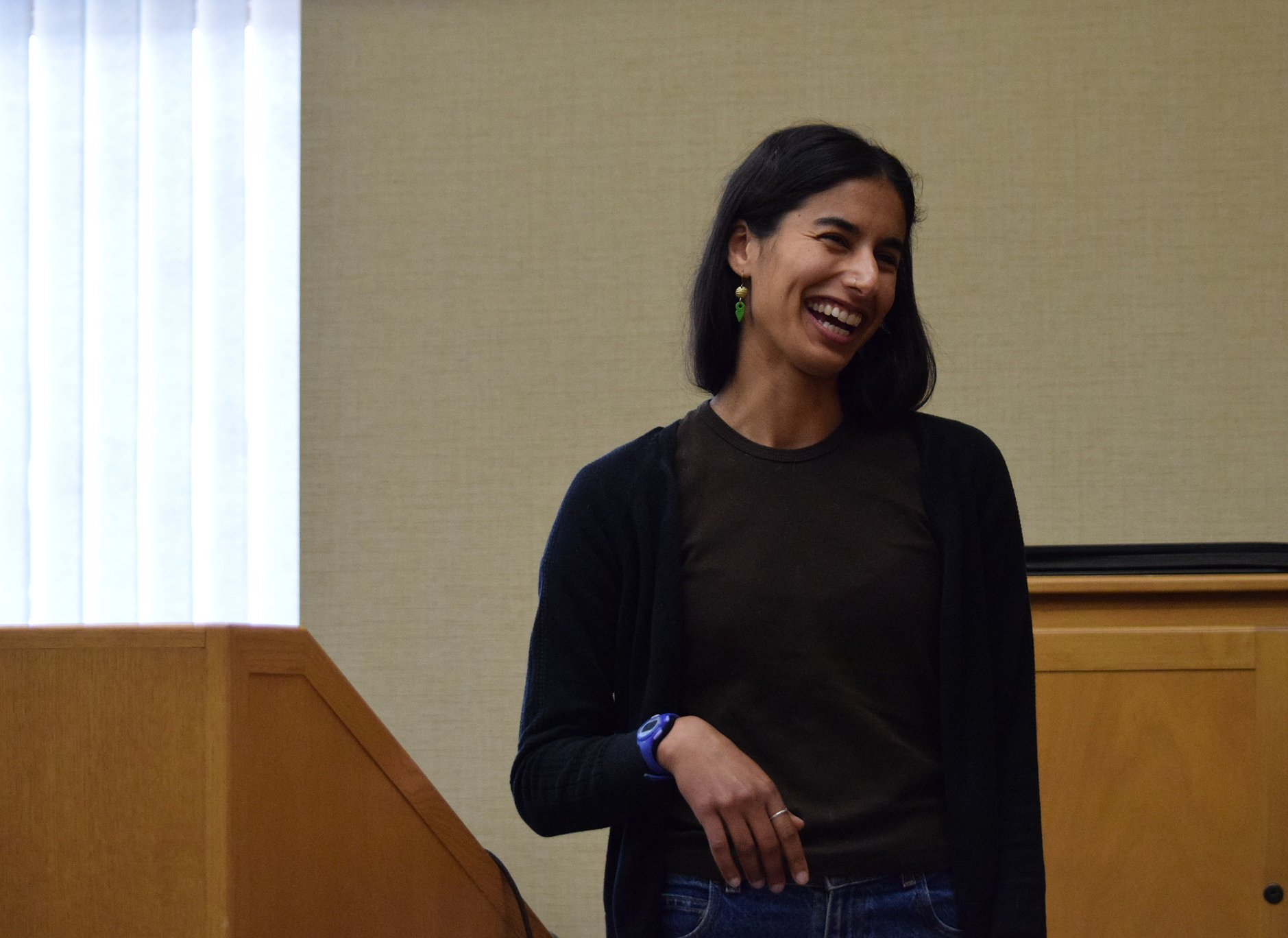 Columbia Basin Conservation District planner Indira Kulkarni held a break-out session on pests in the region. She strongly encouraged residents to use integrated pest management, instead of pesticides to handle bugs.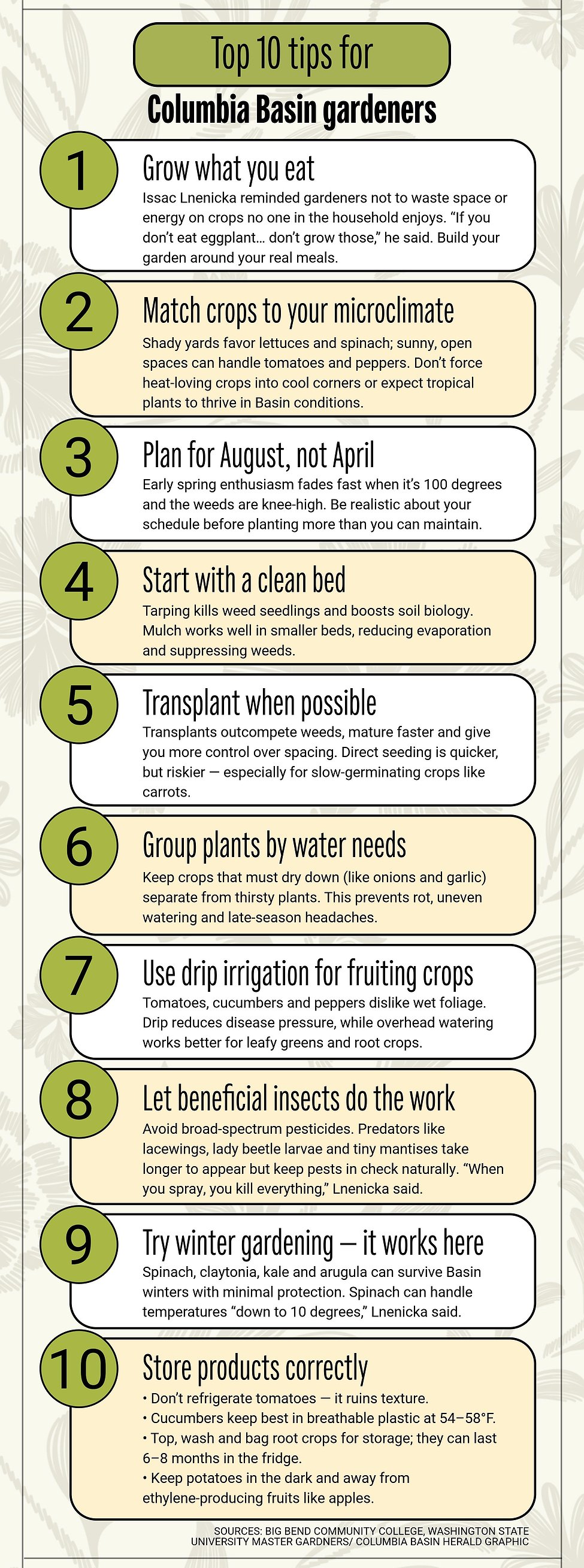
ARTICLES BY NANCE BESTON

Grant County Sheriff candidates discuss transparency, trust
EPHRATA — As Grant County voters prepare to submit their primary ballots, three candidates are vying for the position as Grant County Sheriff including incumbent Joey Kriete and challengers Josh Sainsbury and Darrick Gregg are competing in the upcoming primary election. To help readers compare the candidates' priorities, qualifications and plans for the office, each was asked the same question and given an equal opportunity to respond.

Grant County Commissioner candidates deliberate fiscal responsibility, budgeting
EPHRATA — Four Republicans are seeking election to Grant County Commissioner Position 3 in the upcoming primary: Shannon Durfee, Kelly Raap, Seth Weeks and Janice Flynn. To give voters a clear comparison of the candidates' positions and priorities, each was asked the same set of questions and provided the same deadline to respond. Durfee, Raap and Flynn submitted responses by the deadline; Weeks did not respond.

Sheriff candidates discuss staffing, retention
EPHRATA — As Grant County voters prepare to select their next sheriff, incumbent Joey Kriete and challengers Josh Sainsbury and Darrick Gregg are competing in the upcoming primary election. To help readers compare the candidates' priorities, qualifications and plans for the office, each was asked the same question and given an equal opportunity to respond. This installment focuses on one of the most pressing challenges facing law enforcement agencies: recruiting, retaining and supporting qualified staff within the Grant County Sheriff's Office.