
How to prepare for hurricane season before supplies sell out
Lettecha Johnson | Bonner County Daily Bee | UPDATED 3 months, 3 weeks AGO
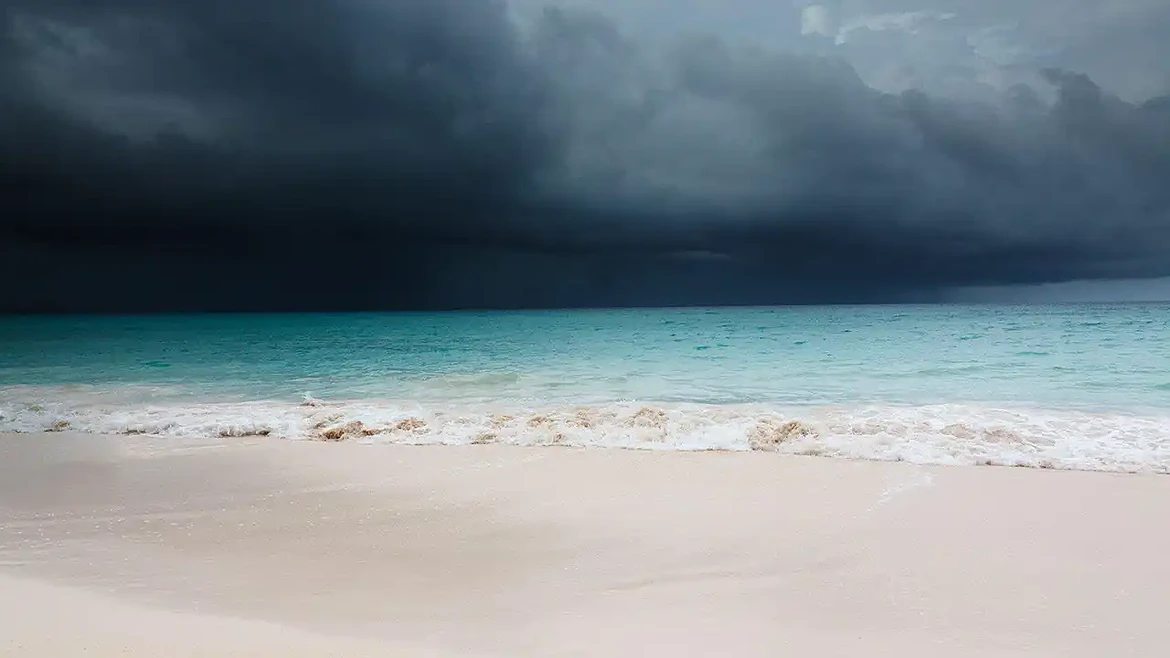
Don't wait until hurricane season hits to get prepared; start stocking up on gallons of water, non-perishable food, and a first aid kit now. Know where your potential evacuation zones are and check what your existing home insurance will cover. Have a Go-bag ready, so you and your family aren't running around gathering things when you should quickly be heading out.
According to the National Weather Service, between June 1 and November 30, there are about 14 tropical storms, 7 of which become hurricanes forming over the Atlantic Ocean, Caribbean Sea, or Gulf of America annually. During this season, billions of dollars in damage can occur from flooding and high winds. Taking preparation seriously can help prevent injury, fatalities, and home loss, so get the checklist out now.
What Should I Buy Before Hurricane Season Starts?
There's no better time to prepare for a natural disaster than when the weather outside is still nice. If you can hunker down in place, a stocked pantry will keep you going.
However, a fast evacuation means you'll need some things on hand to take with you. Start packing your Go-bag and pantry with food/water, and hygiene products.
Emergency kit items which should include:
- Water for at least 7 days
- Non-perishable food
- Personal hygiene, like hand sanitizer
- Feminine products
- Baby diapers
- Matches and a lighter
- Device charger/power banks
- Prescription supply
For a Go-Bag, add some dehydrated camping meals that only require adding hot water. Don't forget the protein bars and dried fruit. Check e-commerce sites for bulk bins of camping food for your survival pantry.
ATM machines may not be available if the grid goes down, so have cash just in case. That same potential power outage means you'll need flashlights with extra batteries. A hand crank or battery-powered radio can allow you to constantly receive weather updates.
What Do I Need Copies of?
Have all your important documents, such as your identification and bank records, in a waterproof container. Those house and health insurance policies should also be on hand.
How Can I Secure My Home?
Before the storm hits, bring in any movable objects from outside, like garbage cans or patio furniture, as they can become projectiles during high winds. Contact professionals who handle window repair in Jacksonville to upgrade your home with impact windows that are highly shatter-resistant.
If you have any sick or damaged trees on your property, trim or remove them to prevent a potentially deadly fall on your or a neighbor's home. Clean out your rain gutters and downspouts to prevent water damage to your foundation.
You can also install a whole-house or portable generator in case of a power outage. Take photos and videos of your home to document its existing condition in case you need to file an insurance claim after storm damage.
What Is a Good Evacuation Plan?
Create an emergency evacuation map where everyone understands the fastest exit points in your home. After all, a massive hurricane may bring excessive rain and potentially fast-moving floods that can rise quickly.
If you must flee your home, you need a safe place to go. Have a safe assembly point outside the danger zone, and know where potential public emergency shelters are located. You should also have a family communications plan, which could include a family WhatsApp group or walkie-talkies.
Store your emergency bag stored in an easily accessible location so you can grab it quickly. Ideal spots include a dry, cool location such as the front hall closet or other exits. Keep one in your car trunk and a designated safe room.
Where Are the Most Reliable Weather Updates?
A reliable storm tracker and forecaster during hurricane season is the National Hurricane Center (NHC). The website posts real-time updates and detailed information about current and potentially forming hurricanes. Don't forget about the National Weather Service website, which you can follow locally by plugging in your ZIP Code on the homepage.
Frequently Asked Questions
How Much Cash Should I Keep in My Go Bag?
Your emergency bag should have between $100 and $1500 in cash, however $300-$500 is a standard recommendation. Have this cash money as a backup in case electronic systems go down during an extended disaster. Ensure you have enough smaller denominations like $1 and $5.
What Two Foods Can You Survive On?
There isn't a single item that can provide all the nutrients the human body needs. However, nutritional experts suggest kale and potatoes are good options for survival due to their versatility and high nutritional profiles.
Potatoes have:
- Carbohydrates
- Fiber
- Potassium
- Vitamin C
- Wide variety of amino acids
Kale's high nutrient list includes:
- Vitamin A
- Vitamin C
- Vitamin K
- Calcium
- Iron
- Fiber
If you want to have a complete protein that has all your essential amino acids, beans and rice are also a good survival combination.
What's the Best Food to Stockpile?
Stockpile nutrient-dense, shelf-stable foods that require little cooking.
Top options include:
- Canned fish
- Peanut butter
- Dry beans
- White rice
- Oats
Items like white rice have a 25 to 30-year shelf life when properly sealed, according to Utah State University. Canned meat and veggies may last about 2 to 5 years. As you store your items, operate like a grocery store and rotate them properly by having a first-in, first-out approach.
Store them in a cool, dark place to extend shelf life further.
Prepare for a Severe Weather Warning Today
Don't be taken by surprise during hurricane season. Start preparing for fierce storms with heavy rains that may cause your family to either remain in place for a while or quickly evacuate to a safe zone.
Start stockpiling emergency food and water, and get your documents in order with protective covering. Create an emergency plan and alternative communication that's not reliant on electricity.
Safety measures in your home include reinforced windows and doors to prevent damage from shattering wind or water damage from floods.
Adding hurricane prep to your spring or summer checklist means you can enjoy peace of mind that you're taking extra steps to protect you and your family.
If you're blown away by this content, check out our website for more engaging news.
This article was prepared by an independent contributor which helps us continue delivering quality content to our audiences.