
Natural disaster evacuation tips: When to leave and what to pack
Lettecha Johnson | Coeur d'Alene Press | UPDATED 2 weeks AGO
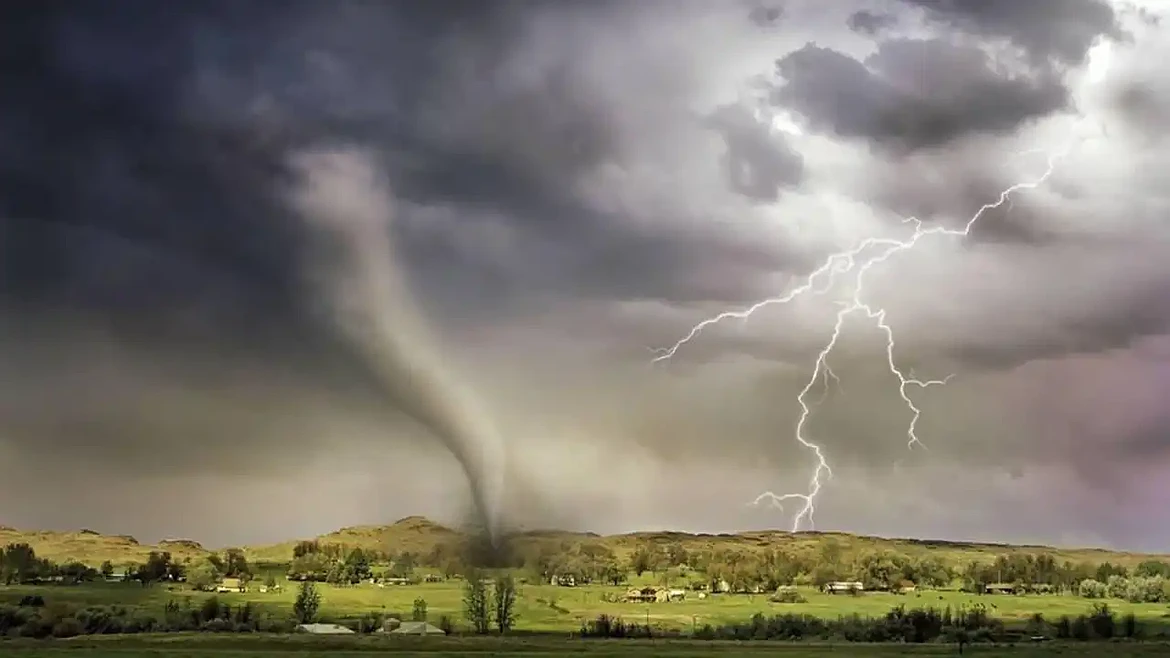
During a natural disaster such as a major hurricane or spreading wildfire, pay attention to weather updates and push alerts that may issue mandatory evacuation orders from authorities. Bring essential items like water, cash, and important documents. Follow official routes and avoid driving through flooded roads to stay safe.
According to Earth Data, over 7,250 disasters between 1998 and 2017 resulted in over 1.3 million fatalities. As global warming continues to intensify extreme weather, everyone should stay prepared to avoid rushing to gather what they need if an event occurs suddenly. Make a go bag accessible and run emergency drills with household members.
When Should I Leave During a Natural Disaster?
Follow your local weather report and check your mobile for emergency push alerts. You may have mandatory orders of evacuation if the situation looks dire. You don't want to wait to be forced to leave, so begin to evacuate as soon as the mandatory order comes in.
Sometimes you must assess the situation on your own. For example, if you feel you're at risk during a wildfire due to excessive smoke in the area, don't hesitate to go without an official order.
Heavy rain comes with hurricanes, so if a flash flood warning has been issued, quickly move to higher ground and don't wait for rising water to appear. If you're in a mobile or trailer home, you should also leave without warning, as your home is more vulnerable than those on a foundation.
How Can I Prepare an Emergency Bag?
An emergency kit to get you through a natural disaster should include essential items that cater to your health, nutrients, and communication.
Non-perishable food tops the list and includes:
- Beans
- Rice
- Canned fish
- Canned or powdered soup
- Dehydrated camping meals
- Gallon of water per person per day
- Peanut butter
- Dried fruit
- Nuts
- Coffee and tea
A good rule of thumb for food storage in an emergency is to focus on nutrient-dense foods that require little to no cooking. When packing food in your go bags, be realistic about how much you can carry. You may want to focus on lighterweight items like camping food packets instead of too many cans.
For communication, you should have a hand-crank radio or a battery-operated one. Include extra batteries and flashlights. Have a portable charger for the cellphones, and Walkie-talkies also come in handy as a backup.
Keep paper maps on hand in case you can't use GPS or your cellphone dies.
Cater to your daily health needs and potential emergencies. If you have prescription medicine, have about a seven-day to two-week supply of it. Don't forget to add non-prescription medicine, like ibuprofen or Tylenol.
Include a first aid kit and hand sanitizer. Add a portable water filter in case you must use a questionable water supply.
Once you gather your emergency bag, keep it where you can quickly access it. Play it safe and have more than one. Ideal locations include exit points like your front hall closet or car trunk.
What Steps Should I Follow to Stay Safe?
Increase your safety during hurricane season by fortifying your home from floods and shattered glass due to projectiles. Now is the time to get windows replaced in Jacksonville with impact-resistant options.
If you must evacuate, stick to designated evacuation routes, as shortcuts pose dangers that can cause you to get trapped. Avoid trying to drive through a flooded road, no matter how low the water may appear; only one foot of water can sweep a car away.
Guard yourself against heat and sparks from wildfires by wearing protective clothing that covers your skin. Keep any of your family and friends out of town posted about your situation and where you may be headed.
Even if the situation has calmed down, don't return home after an evacuation until local officials have given the green light. Authorities still have to go through neighborhoods to check for potential hazards like damaged structures or contaminated water.
Frequently Asked Questions
What Are the 10 Natural Disasters?
Devastating events can come in the form of earth, wind, fire, and rain. There are more than 10 potential natural disasters, including:
- Avalanches and resulting landslides/mudslides
- Hail storms
- Floods
- Heat waves
- Droughts
- Famines
- Earthquakes
- Tornadoes
- Hurricanes
- Disease outbreaks
- Blizzards
- Wildfires
- Volcanic eruptions
What Is the #1 Worst Natural Disaster?
According to Daly & Black, the Category 4 hurricane that hit Galveston, Texas, in 1990 tops the list. The storm destroyed the area's port economy, leveled neighborhoods, and killed a quarter of the city's population. Between 6,000 and 12,000 people died from this natural disaster.
What Is the Safest State to Live in Due to Weather?
If you're considering moving to Michigan, having more safety from potential severe weather disasters is a good reason. The state consists of two land masses connected by the five-mile Mackinac Bridge and is protected on three sides by the Great Lakes, making tornadoes rare.
Winters can also be much milder than they are in neighboring states. So far, the area has limited exposure to earthquakes, unlike states like California.
What Animals Can Sense a Tsunami?
If an earthquake happens in the ocean, it can cause massive waves known as tsunamis. Humans may not be able to pick up on the low vibrations these earthquakes produce, but large animals like elephants may sense them before impact.
Laboratory tests have shown that even silkworms may have different behavior when exposed to vibrations felt during an earthquake.
Prep Today for Tomorrow's Potential Weather Disaster
A natural disaster can strike at any time, and some areas are more prone to hurricanes, heatwaves, or earthquakes. When the situation arises, you don't want to be caught off guard and have to spend too much time going through your home for paperwork and grabbing a bag of food.
Make these potentially life-threatening situations easier by being as prepared as possible with an emergency kit, copies of important papers, and sealing your home as much as possible.
We hope this content has helped you prepare better for unexpected weather events. Get more guidance from other articles on our website.
This article was prepared by an independent contributor which helps us continue delivering quality content to our audiences.