
How Science is Solving Menopause and Weight Gain in Northwest Montana
Cristal Dyer | Daily Inter-Lake | UPDATED 5 months, 2 weeks AGO
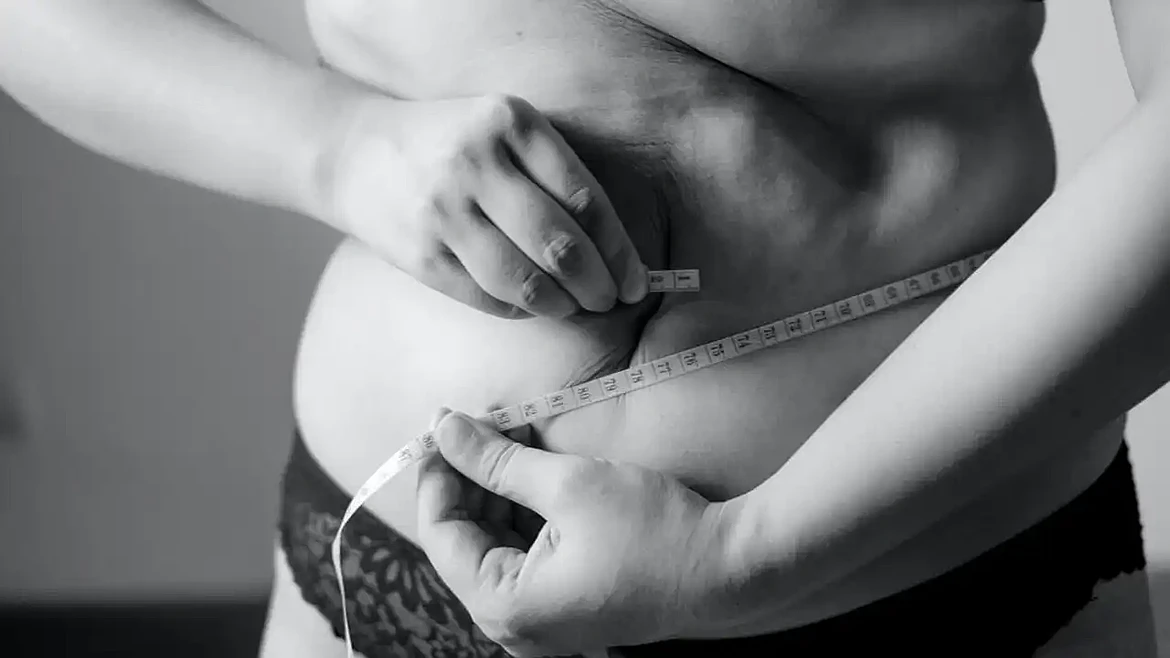
Science is delivering real answers for menopause weight gain, and women in Northwest Montana now have clinical access to them. Declining estrogen, a slowing metabolism, and disrupted hormonal signals each contribute to midlife fat accumulation, and all three can be addressed through targeted, evidence-based care. From telehealth programs to local hormone-focused clinics, personalized menopause support is within reach across the region.
According to The Menopause Society, women gain an average of one pound per year during the menopause transition, a weight that tends to settle around the abdomen and resist conventional approaches. For women in rural Northwest Montana, that reality has long felt isolating.
New clinical tools, updated hormonal protocols, and locally adapted care programs are changing that. This article breaks down what science has learned and how it's being applied right here.
What Is Really Driving Menopause Weight Gain?
Estrogen plays a central role in how the body stores fat. When levels drop, fat tends to shift toward the abdomen; that shift can happen even when eating habits stay the same.
Hormonal changes trigger metabolic health disruption, slowing how many calories the body burns at rest. Sleep problems and chronic stress really compound the problem, making it harder for the body to regulate weight on its own.
The combination of these factors explains why so many women find that strategies working well in their thirties stop producing results a decade later.
A new study published in The Journal of Nutrition identified a hormone called asprosin that may help predict who is at higher risk for weight gain after menopause. A blood test measuring asprosin could soon allow doctors to build personalized prevention plans before significant weight gain begins.
That kind of early, targeted action could shift outcomes significantly for women who start this conversation with their doctor sooner.
What the Latest Research Says About Hormonal Treatment
Science has moved forward significantly in hormonal care for menopause. Estradiol for weight health has become a serious area of clinical study. Evidence shows it helps reduce abdominal fat and support metabolic function in postmenopausal women.
Hormone replacement therapy, combined with newer weight-loss medications like tirzepatide, actually produces far greater results than using either treatment on its own. Clinical trials show that women using both treatments together tend to lose more weight and body fat than those relying on just one approach.
Clinical menopause weight management is now moving toward personalized care plans, guided by a patient's hormonal data and metabolic profile. That precision gives doctors and patients more confidence in their treatment decisions. Patients now receive care plans built specifically around their own hormonal picture and metabolic needs.
Can Lifestyle Changes Actually Move the Needle?
Structured lifestyle programs often show real results for women dealing with menopause-related weight change. Research published in the Journal of Obesity supports combining dietary changes and exercise as an effective approach for midlife women.
Weight-bearing exercise plays an important role in preserving muscle as hormonal shifts occur. Obesity counseling programs designed for perimenopausal women track and measure meaningful health markers over time.
Frankly, these programs support longer-term metabolic health in measurable ways. These programs are now reaching rural settings, making them more accessible to women across Northwest Montana.
Structured weight management programs for midlife women commonly focus on:
- Mediterranean-style eating with an emphasis on vegetables, fish, and whole grains
- Significant reduction in ultra-processed foods and refined sugars
- Resistance training at least twice weekly to build and maintain lean muscle
- Aerobic exercise sessions paired with strength work for stronger metabolic results
- Structured counseling that tracks waist-to-hip ratio and blood sugar improvements
How Northwest Montana Is Bringing This Science Home
Women in Northwest Montana now have real access to the clinical tools that menopause research has produced. Board-certified menopause specialists are now working through telehealth platforms and local functional-medicine clinics across the region.
Montana-based telehealth services have actually designed programs specifically for Montana women trying to manage menopause weight. Local hormone-focused practices provide clinical services covering hormones and metabolic health. Telehealth has now removed the distance barrier for women who previously faced long drives to reach a specialist.
These services are making a very real difference for communities that have historically had limited access to specialized care.
Women in Northwest Montana can explore several pathways to get started:
- Vermae Telehealth offers clinician-guided remote programs for menopause and weight management.
- Local functional-medicine clinics provide bio-identical hormone replacement and metabolic coaching.
- Primary care practices in the region are adopting obesity counseling for perimenopausal women.
- Telehealth appointments remove travel barriers for women in remote or rural areas.
Frequently Asked Questions
At What Age Does Menopause-Related Weight Gain Typically Begin?
Weight changes often start during perimenopause, which can begin in the early to mid-40s. Hormonal fluctuations during this phase frequently trigger the first noticeable shifts in body composition, sometimes years before a woman's last period.
Is Menopause Weight Gain Permanent Without Intervention?
With the right clinical and lifestyle support, menopause weight gain is reversible for many women. Seeking care early tends to produce better outcomes, so connecting with a provider sooner makes a real difference.
Does Hormone Therapy Cause Weight Gain?
Research shows that hormone therapy does not cause weight gain in most women. Some women notice temporary water retention in the early weeks of treatment, which typically resolves as the body adjusts.
How Do I Find a Menopause-Informed Provider in Rural Montana?
Telehealth services have made it significantly easier for women in rural Montana to connect with menopause-informed providers. A search through the Menopause Society's online directory can help you identify specialists who offer remote appointments.
Northwest Montana Women Have More Clinical Options Than Ever
Menopause weight gain is a clinical challenge with documented, evidence-based solutions, and the science has firmly arrived in Northwest Montana. The research connecting hormonal shifts, slowing metabolism, and midlife body composition has advanced significantly.
Women across the region now have meaningful access to that science through telehealth, local hormone clinics, and structured lifestyle programs. Board-certified providers are making these tools practical and accessible. To explore the clinical and lifestyle options available to you, visit our website, where you'll find resources built specifically for women in Northwest Montana.
This article was prepared by an independent contributor which helps us continue delivering quality content to our audiences.