
The challenge of forgiveness
HARVEY MACKAY | Coeur d'Alene Press | UPDATED 3 days, 21 hours AGO
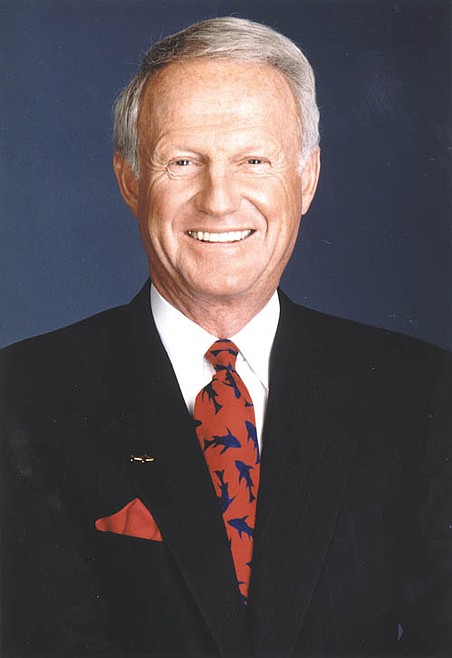
Harvey Mackay
One of the most difficult tasks in business is offering forgiveness to those who have treated you unfairly.
Years ago, I was involved in a significant business deal where a key partner tried to cut me out of the agreement at the last minute. This partner had been a trusted associate, and their actions felt like deep betrayal. Naturally, I was angry and hurt, and I questioned the integrity of our business relationship.
It was a challenging time, and I had to decide how to move forward. Should I ignore their actions and feel like I was being a pawn? Or should I take the high road and work through my disappointment, hoping the relationship could be repaired?
So, instead of letting my anger get the best of me, I decided to forgive them. This is how I approached my change of heart. Although we are unable to change universal physical laws, we can alter our unforgiving attitudes and make things right.
First, I recognized and acknowledged the hurt and anger I felt. It's important to validate your emotions before you can move past them. Reflect on what happened and how it made you feel. Write it down if it helps to clarify your thoughts.
Try to understand the other side: Look at the situation from the perspective of the person or entity that wronged you. Consider the circumstances they were in and the pressures they might have faced. This doesn't excuse their actions but can help you empathize.
Release the grudge: Holding onto anger and resentment only harms you. Make a conscious decision to let go of the negative feelings. This might involve talking to the person involved or simply making a mental note to move on.
Focus on the future: Forgiving allows you to focus on what's ahead rather than what's behind. Set new goals and work toward them with a positive mindset. Use the lessons learned from past experiences to guide your future actions.
Forgive yourself: Sometimes, the hardest person to forgive is yourself. "How did I not see this coming? Why did I trust this person to begin with? What did I think would happen?" Accept that everyone makes mistakes. Learn from them and give yourself permission to look ahead without guilt.
Forgiving my partner didn't mean I forgot what happened or that I continued the partnership in the same way. Instead, I set new boundaries and moved forward with a clearer understanding of the business landscape. This experience taught me the importance of resilience and the power of forgiveness in maintaining professional relationships.
Forgiveness in the workplace, or any space for that matter, is facilitated by open communications, setting boundaries and seeking support.
If possible, have a candid conversation with the person who wronged you. Clear communication can often resolve misunderstandings and pave the way for forgiveness. If you can't trust yourself to speak without becoming angry, try an email or note. Give yourself time to calm down. Sleep on it if necessary.
Forgiveness doesn't mean you have to tolerate ongoing negative behavior. Set clear boundaries to protect yourself while maintaining a professional relationship. You must let the offending party know what behavior is tolerable.
Talk to a mentor, coach or trusted colleague about your feelings. They could help you understand if you are being reasonable or too rigid. Sometimes, an outside perspective can help you see things more clearly and move toward forgiveness.
Here's a final story to illustrate my point. A mother brought her two arguing children together and demanded they make immediate amends. The siblings hesitantly apologized to each other, and then the younger said, "I'm apologizing on the outside, Mommy, but I'm still angry inside."
How childish, we might say. Yet adults too often tend to go through the motions of forgiveness by covering their real emotions with flippant statements. Forgiveness is not child's play. Adults must learn how to handle difficult personal situations and maintain their professionalism.
Forgiveness in business is not about condoning the wrong but about freeing yourself from the burden of resentment. It allows you to move forward with a clear mind and a renewed focus on your goals. It allows you to act like an adult.
Mackay's Moral: True forgiveness doesn't bury the hatchet while allowing the handle to remain exposed.
• • •
Harvey Mackay is the author of the New York Times bestseller "Swim With the Sharks Without Being Eaten Alive." He can be reached through his website, www.harveymackay.com, by emailing [email protected] or by writing him at MackayMitchell Envelope Co., 2100 Elm St. SE, Minneapolis, MN 55414.