
THE DIRT - From Flood to Drought: Why North Idaho Is Still Short on Water
Shoshone News-Press | UPDATED 3 hours, 19 minutes AGO
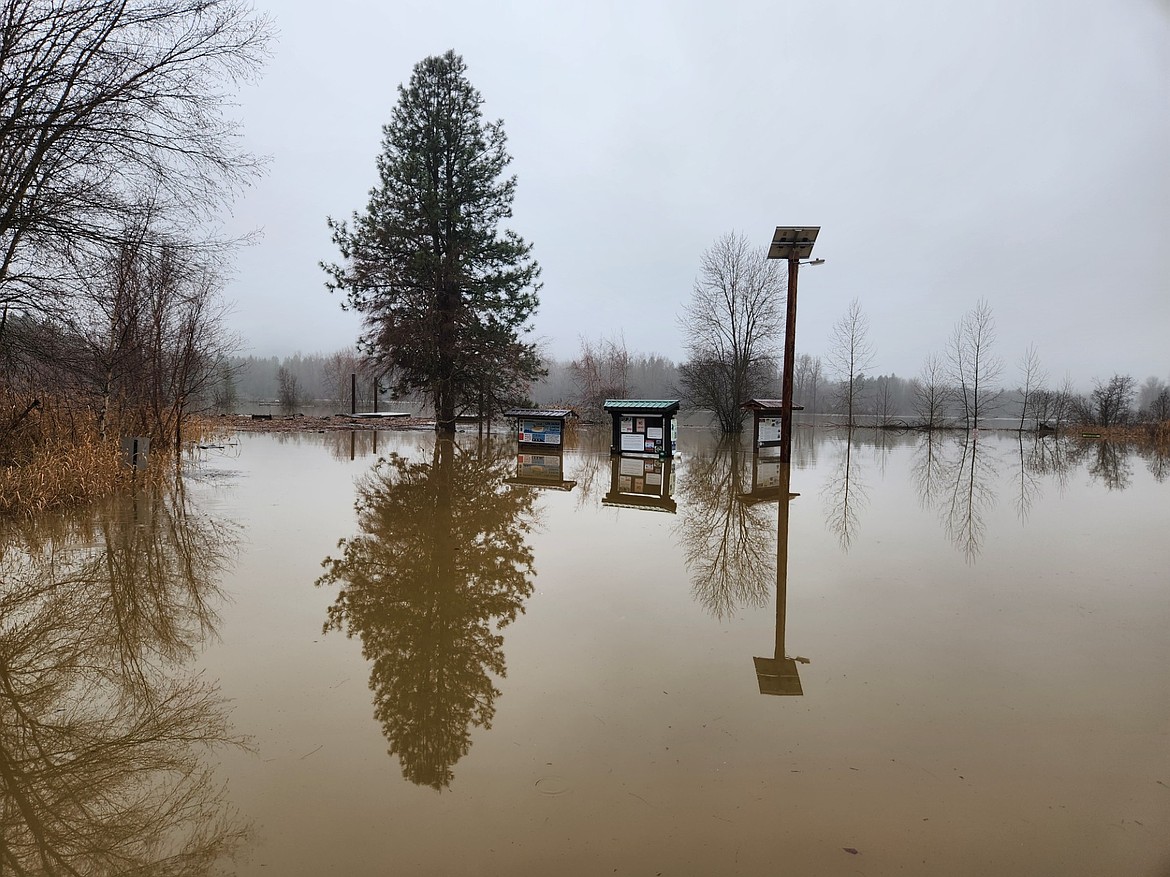
Historic flooding in December ripped through much of Shoshone County and the surrounding region.
Courtesy photo
To many people, December’s flooding may have looked like the end of North Idaho’s drought. In reality, the region’s water picture remains fragile—and in some ways, the flood masked deeper problems.
North Idaho has experienced some level of drought since the summer of 2021. While only water year 2024 saw well-below-normal snowpack overall, most recent years have been marked by earlier-than-normal spring runoff and melt-out. That early melt can leave the region dry by mid- to late summer if rainfall doesn’t keep pace.
In mid-December 2025, drought designations across the Idaho Panhandle were temporarily reduced. Above-normal precipitation gave the appearance that drought conditions were easing. However, that improvement was short-lived and largely driven by rain rather than snow.
The December flood itself did little to solve the long-term water deficit. Record warm temperatures and widespread rain across all elevations meant precipitation fell as rain rather than snow. Instead of being stored in the mountains, much of that water ran quickly into rivers and downstream—eventually heading out to the ocean. The warmth also created a denser-than-normal snowpack, which is less able to absorb rainfall and more prone to rapid melt.
Despite all the water on the landscape in December, North Idaho has now slipped back into drought largely because of one missing ingredient: snowpack. Snow plays a critical role in the region’s water supply. Roughly 60 percent of North Idaho’s water comes from snowmelt. Snow acts as a slow-release reservoir, feeding rivers, lakes, and groundwater through spring and summer—when demand is highest.
One way to think about snowpack is as a savings account for seasonal workers. Winter is when you build your savings. Summer is when you live off it. If you don’t put enough away during the winter, it doesn’t matter how much money briefly passed through your hands—you’re still going to struggle later. December’s flooding was like a big paycheck that immediately went out the door, not money set aside for the months ahead.
There are some short-term benefits. Heavy rain increased soil moisture and shallow groundwater, which can improve runoff efficiency during spring melt. But without adequate snow in the mountains, that benefit is limited.
As of now, total precipitation (rain and snow combined) in North Idaho is near to slightly above normal; however, much of that moisture has fallen as rain rather than snow. As a result, snowpack—the region’s primary natural reservoir—remains below normal and has continued a concerning trend of reduced accumulation over recent winters, limiting water storage heading into the warmer months.
Climate trends suggest these rapid swings—from drought to flood and back again—may become more common. Warmer air holds more moisture, increasing the likelihood of extreme precipitation events, rain-on-snow flooding, and longer dry periods between them.
In short, December’s flood didn’t refill North Idaho’s water bank. Despite a wet winter on paper, the region enters the warmer months with below-normal snowpack, reduced natural storage, and below-normal streamflow forecasts.
The Dirt is a series of informative articles focused on all aspects of cleanup efforts associated with the Bunker Hill Superfund Site. Our goal is to promote community awareness of contamination issues, to provide tools for protecting public health, and to keep the community informed of current and future cleanup projects. The Dirt is a group of committed and local experts from multiple agencies, including the Basin Environmental Improvement Project Commission, Panhandle Health District, Shoshone County, Silver Valley Economic Development Corporation, and the Idaho Department of Environmental Quality.