
Bridge the gap between furniture and personality with interior styling
Billie Pollisotto | Daily Inter-Lake | UPDATED 1 week, 1 day AGO
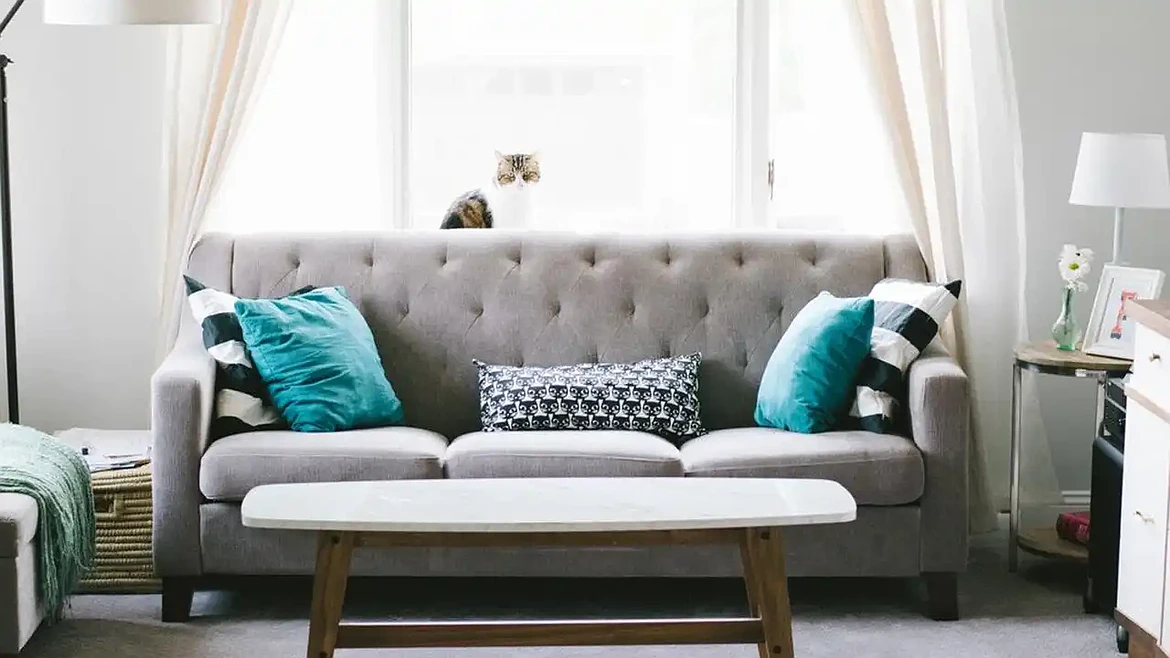
Interior styling bridges the gap between furniture and personality by turning everyday pieces into a cohesive, expressive space that reflects how you live. It goes beyond filling a room, focusing on layout, texture, color, and detail to create a home that feels intentional and personal from the moment you walk in.
A living room looks complete on paper, though something feels off the second you sit down. The sofa fits, the table matches, the shelves are full, though the space lacks energy and identity.
Thoughtful styling shifts that instantly, layering in contrast, balance, and personality so the room stops looking staged and starts feeling like it belongs to you.
What Is Interior Styling?
Interior styling is the process of shaping how a space looks and feels after the main furniture is in place. It focuses on the details that connect everything together.
This includes how items are arranged, the mix of textures and materials, the use of color, and personalized home decor placement.
Unlike interior design, which often deals with layouts or structural decisions, styling works with what already exists and refines the space through layering and thoughtful composition.
How Can You Match Furniture To Your Personal Style?
Matching furniture to your personal style starts with understanding how you want your space to feel and function on a daily basis. The most cohesive interiors are built around real habits and preferences, not just trends or showroom inspiration.
Begin by identifying what naturally appeals to you. Some gravitate toward clean, minimal spaces, while others prefer layered, expressive environments filled with texture and contrast. That instinct shapes your direction. From there, furniture should support both comfort and visual tone, creating a space that feels consistent from one piece to the next.
Strong rooms often start with a few anchor pieces that define the overall look. A statement sofa or a well-designed bed frame can set the tone, while surrounding pieces reinforce it through similar materials, finishes, and proportions. Subtle repetition helps everything feel connected without becoming overly matched.
Working with experts like Jonathons Coastal Living can also bring clarity to the process. These experts help homeowners translate their preferences into cohesive spaces.
Styling Techniques and Furniture Arrangement
A cohesive room starts with a layout that feels natural to move through. Furniture should create clear zones that match how the space is used.
Walkways need to stay open. Seating should be positioned in a way that encourages interaction rather than isolation.
Pushing every piece against the walls can make a room feel disconnected. Bringing key furniture slightly inward often creates a stronger sense of structure and makes the space feel more intentional. Grouping pieces into functional areas helps define purpose, especially in open layouts.
Scale matters more than most people expect. Large furniture can anchor a space, though it needs to be balanced with smaller elements so the room does not feel heavy. At the same time, pieces that are too small can get lost and make the layout feel incomplete. Mixing proportions with care keeps everything visually steady.
Looking For Home Style Inspiration
Finding inspiration works best when it goes beyond trends and taps into real-life references that feel relatable. The goal is not to copy a look. It is to collect ideas that reflect how you want your space to feel and function.
Start with everyday environments. Restaurants and boutique hotels often show how design techniques come together in a natural way. Pay attention to what stands out.
Digital platforms can also offer direction when used with intention. Instead of saving everything that looks appealing, focus on patterns in what you choose. Recurring options often reveal your personal style more clearly than a single image when designing living spaces.
Magazines and design features remain useful because they show complete spaces rather than isolated pieces. Seeing how rooms are styled from corner to corner helps you understand how elements work together in a finished setting.
Travel and cultural influences can shape style in subtle ways. A color palette from a coastal trip or a layout from a favorite cafe can all translate into your home without feeling forced.
Frequently Asked Questions
What Color Is Replacing Grey in 2026?
Grey is being replaced by warmer, softer tones that feel more natural and lived-in. Designers are moving toward colors that add comfort instead of coolness.
The biggest shift is toward warm neutrals like:
- Taupe
- Greige
- Creamy white
- Putty tones
These shades still act as a neutral base, though they feel cozier and more inviting than traditional grey.
Earth-inspired colors are also taking over. Think sage green, olive, terracotta, caramel brown, and muted clay tones, which bring depth and personality without overwhelming a space.
How Many Walls in a Room Should Be Decorated?
There is no fixed number, though most well-balanced rooms land somewhere between one and three decorated walls. The goal is to create focus and breathing room at the same time.
One wall often works as a clear focal point, especially in smaller spaces or minimalist designs. Two or three decorated walls can add depth in larger rooms, as long as the visual weight feels balanced.
Leaving at least one wall open helps prevent the room from feeling crowded. Blank space gives the eye a place to rest and allows key pieces to stand out when expressing personality in decor.
What Devalues a House the Most?
Homes drop in value when buyers see cost, risk, or effort the moment they walk in. Deferred maintenance leads the way. Roof damage, outdated electrical systems, plumbing issues, poor insulation, and visible wear all signal expensive fixes.
Kitchens that feel behind the times, worn bathrooms, inefficient layouts, a lack of storage, and mismatched finishes can make a home feel less functional and harder to update.
First impressions shape everything. The following can make a home feel less appealing, which often leads to lower offers:
- Weak curb appeal
- Neglected landscaping
- Cluttered rooms
- Poor lighting
- Lack of staging
Invest in Interior Styling Today
Clearly, interior styling can make a huge difference in your home. If you think it sounds like a good option, it might be time to get started!
Do you want more help redesigning your home? Some of our other articles may be helpful for you.
This article was prepared by an independent contributor which helps us continue delivering quality content to our audiences.