
Regional agencies work to fight invasive mussels
STAFF REPORT | Coeur d'Alene Press | UPDATED 6 days, 17 hours AGO
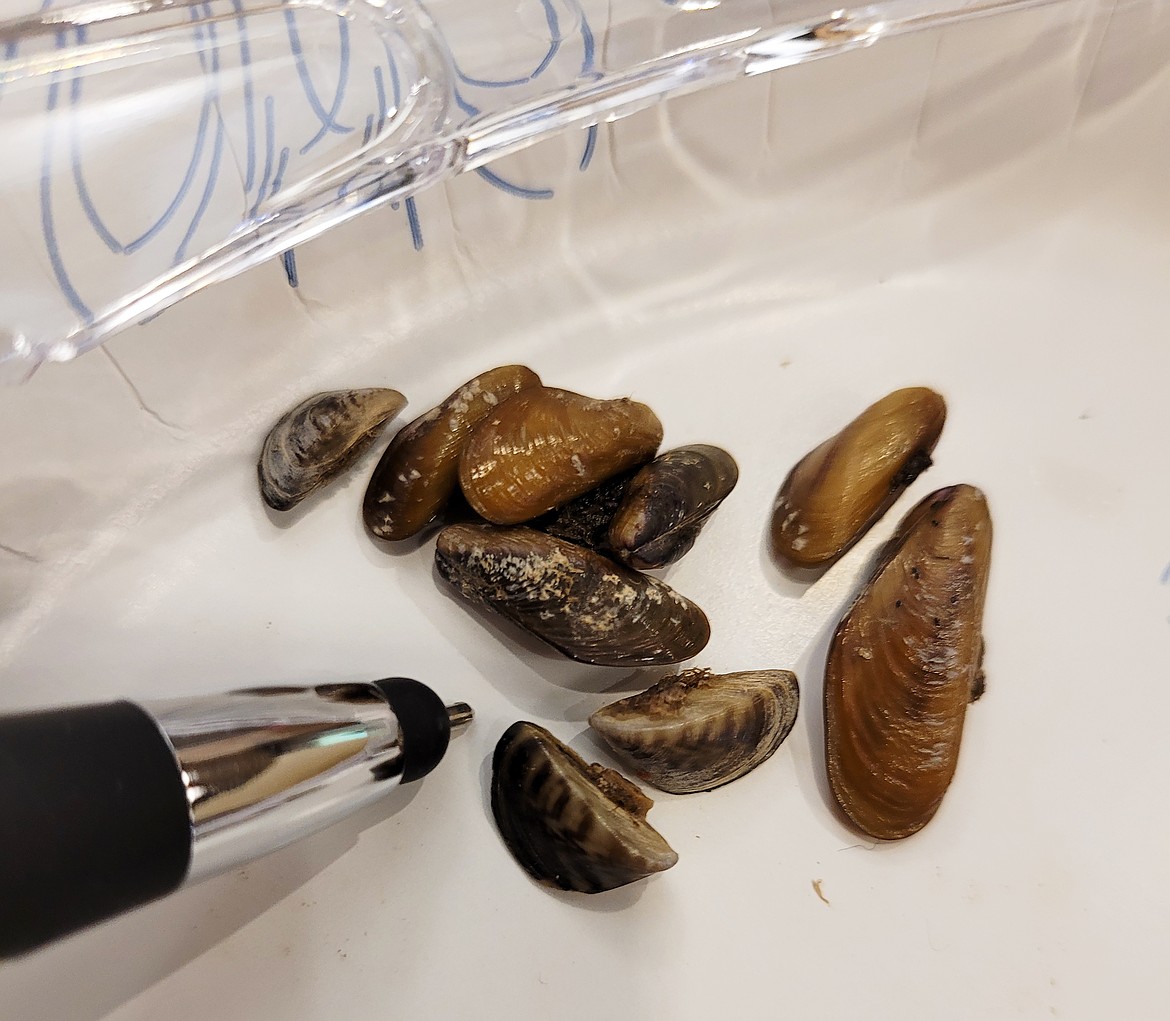
The recent Pend Oreille Basin Invasive Freshwater Mussel Prevention and Readiness Summit focused on strengthening regional coordination following the confirmed detection and continued treatment of quagga mussels in the Snake River.
Courtesy photo
NEWPORT — The Pend Oreille County Noxious Weed Board recently joined regional partners to address invasive freshwater mussels — including the emerging threat of golden mussels — that pose a risk to the region’s waterways.
The recent Pend Oreille Basin Invasive Freshwater Mussel Prevention and Readiness Summit focused on strengthening regional coordination following the confirmed detection of quagga mussels in the Snake River and ongoing treatment efforts.
The summit drew attendees from Washington, Idaho, Montana and Canada to collaborate on prevention strategies. Participants included representatives from the Bonner County Soil and Water Conservation District, the Lakes Commission, utility districts including Pend Oreille PUD and Seattle City Light, the U.S. Army Corps of Engineers, Avista, the Washington Department of Fish and Wildlife and the Idaho Department of Agriculture.
“These invasive mussels pose a serious threat to the Pend Oreille River Basin,” said Lyndsie Halcro of the Pend Oreille County Noxious Weed Board. “Zebra and quagga mussels can rapidly colonize lakes and rivers, attach to boats and infrastructure, clog irrigation and drinking water systems, and damage hydropower facilities. Once established, they are extremely difficult to eradicate and can cost utilities and taxpayers millions in long-term management and repair costs.”
Summit organizers said a growing concern in the region is the recent detection of the golden mussel, a rapidly spreading invasive species first confirmed in California in October 2024, marking the first known detection in North America.
Unlike zebra and quagga mussels, golden mussels can survive and reproduce in colder water temperatures, lower oxygen levels and lower calcium conditions, increasing the number of waterways at risk.
“Because of these characteristics, scientists are concerned that golden mussels may be capable of outcompeting other invasive mussel species in some environments,” Halcro said.
Summit participants noted the public plays a critical role in preventing invasive mussels from gaining a foothold in the region. Boaters, anglers and recreationists must clean, drain and dry all watercraft and equipment before entering or leaving any waterbody.
“By working together across agencies and with the public, we can help protect the Pend Oreille River, our fisheries, recreation access and critical water infrastructure,” Halcro said.