
Becoming an eye doctor: A comprehensive guide
Rob McManus | Coeur d'Alene Press | UPDATED 1 week, 3 days AGO
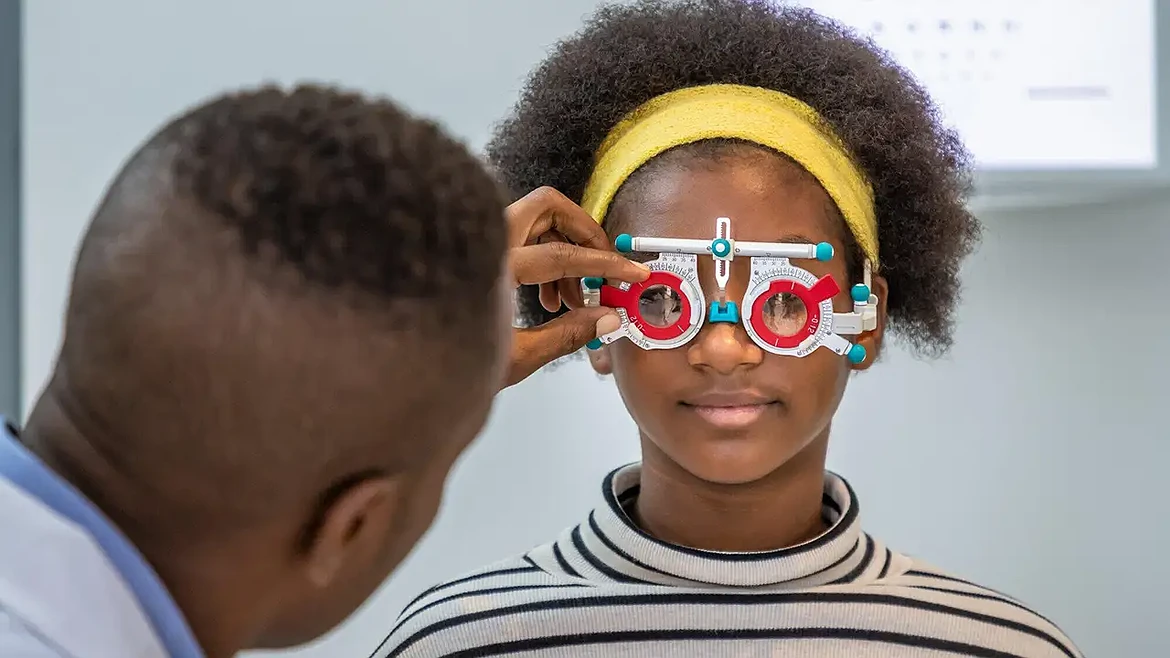
Becoming an eye doctor takes years of education, plus hands-on training. If you want a chance to improve people's lives while having a work-life balance, choose this career. Making a one-year residency part of your journey helps you build your skills and learn from other experts.
According to the US Bureau of Labor Statistics, job opportunities for optometrists will grow by 8% between 2024 and 2034. You won't have to worry much about job security with a career in optometry. Learning what it takes to be an eye doctor helps you figure out if it's the right path for you.
How Long Does It Take to Be an Eye Doctor?
8-9 years after high school. You'll earn your bachelor's degree in four years before spending four more in optometry school. As you complete a one-year residency, use the time to:
- Specialize in a particular area like pediatrics or low vision
- Learn from mentors
- Get advanced training in a real clinical setting
Eight years may sound like a really long time, but it prepares you to offer the best care to your patients. If you take a break after college and join optometry school later, your journey might take a bit longer.
Is Optometrist a Low Stress Job?
Yes, compared to some healthcare professions. You probably won't deal with many emergencies in optometry. Many people also find the career relatively less stressful because they can work regular hours instead of having unpredictable work schedules.
It might be a great option if you really value work-life balance. You can plan for family vacations or even weekend trips without worrying that work will interfere with your plans.
Becoming an Eye Doctor: Understanding What It Takes
The path to becoming an optician will feel much smoother once you know what to expect. Asking other eye doctors about their career journeys gives you more information you can use to prepare.
Earn a Strong Bachelor's Degree
Choose a health-related major when doing your bachelor's degree. It will make it easier to get into optometry school.
A biology or chemistry course might also be a great choice. Use it to learn the basics you'll later need in your optometry career.
Meet Optometry School Requirements
Many competitive optometry schools review academic performance before deciding if you can join their programs. Try to get the best grades while in college. You'll also strengthen your application if you participate in:
- Leadership activities
- Volunteer work
- Research projects
All these opportunities allow you to grow your skills and connect with more professionals in different fields. Getting recommendations from your supervisors or professors helps a lot too.
Complete Optometry School
You'll learn both in class and in clinical settings during your four-year course. Optometry often covers these subjects:
- Ocular anatomy
- Eye diseases
- Pharmacology
- Low vision rehabilitation
- Vision therapy
Attending to patients while your supervisor guides you gives you more confidence. They'll offer helpful tips, and when you finally do your first eye exam on your own, it will feel less intimidating.
Pass Licensing Exams
Even after you graduate from optometry school, you still have to get your license. It's one of the most important optometrist qualifications you need before practicing on your own. Reviewing your notes and all the clinical procedures you've been learning helps you prepare for the exam.
It's a good idea to use some practice questions to test yourself. These help you see what you need to study or practice more. Don't hesitate to ask for study tips on online platforms. A qualified eye doctor might have some advice you won't easily find in study guides.
Gain Clinical Experience
Work alongside an experienced professional who has a clinic in North Idaho. You'll get the guidance you need during your early years in optometry. Each time you interact with patients, you:
- Sharpen your communication skills
- Improve your judgment skills
- Become better at diagnosing
Your eye doctor education won't stop just because you're done with school. Keep up with new tech in your specialty and attend workshops. Companies making eye care tech often have short courses to help experts master using their tools. Taking these will also make you competitive.
Once you feel ready to start your practice, work with experts so you don't make mistakes along the way. Selecting experienced healthcare project designers can help create a functional space.
You should be able to offer the best patient care while also building your practice. Let experts handle the project details and help you cut costs.
Frequently Asked Questions
Can You Become an Eye Doctor Without Going to Optometry School?
No. You should start looking for an accredited optometry program since you need to become an eye doctor. Even if you take a medical-related course, it probably won't cover eye conditions in detail.
The number of years you spend in school will eventually pay off. Each class you attend and the clinical rotations you'll be a part of allow you to serve patients safely.
Is Owning an Optometry Practice Worth It?
Absolutely. Serving patients without much control over the tech you use or the hours you work can make your career feel more stressful.
You get more control over the services you offer with your own practice. Think about your long-term goals before you spend money. Owning a business comes with extra responsibilities, and you need to figure out if you're ready for them.
Why Do Optometrists Need Good Communication Skills?
To explain conditions to patients in simple terms and connect with them better. Many patients feel stressed when seeing a specialist who doesn't know how to talk to them.
They might hesitate to ask questions and make mistakes because they didn't understand the information they were given. If patients feel that you listen to them, they'll be more likely to come back for checkups.
Starting Your Career With the Right Guidance
When thinking about becoming an eye doctor, figure out what it takes first. Start preparing by taking foundational courses while in college.
Some competitive schools also look beyond your school performance. It's good to be well-rounded and get recommendations from your professors. Once you have your license, consider shadowing other eye experts to learn from them before starting your practice.
Read our news for more career guides.
This article was prepared by an independent contributor which helps us continue delivering quality content to our audiences.