
Incredible benefits of motorcycle classes
Cristal Dyer | Daily Inter-Lake | UPDATED 1 week, 3 days AGO
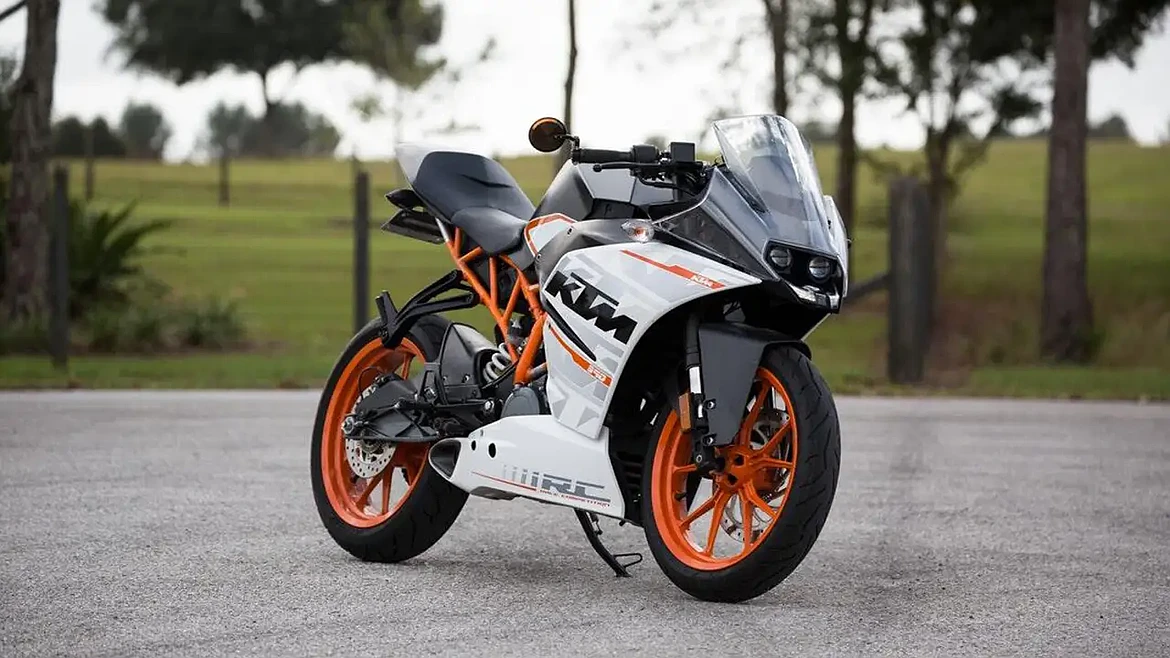
Motorcycle classes teach new and experienced riders how to handle emergency braking, cornering, and hazard avoidance in a controlled setting, which builds safer habits before those skills are ever tested on real roads. They also often lead to insurance discounts and, in many states, a waived DMV riding test.
Every ride carries risk the moment you pull out of the driveway, and licensing gaps make that risk worse. According to the National Highway Traffic Safety Administration, 35% of motorcycle operators involved in fatal crashes in 2024 were riding without a valid motorcycle license. That gap between owning a bike and truly knowing how to ride one is exactly what structured training closes.
Why Are Motorcycle Classes Worth It?
Motorcycle classes offer real value that goes past a certificate on the wall. Riders typically walk away with:
- Sharper control
- Fewer close calls
- A stronger sense of what the road actually demands
The motorcycle training advantages show up almost right away, sometimes within the first practice session on a closed course.
Skill improves with practice, of course, but a structured class can speed up that process in a way solo riding rarely does. Better control, lower crash risk, and quicker license approval are just the start. Some riders sign up just for the safety gains, while others come for the possible savings on insurance or the chance to skip part of the state licensing test.
Hands-On Skill Building: Braking, Cornering, and Swerving
Classroom time covers the rules, yet the real learning happens on a bike. Instructors walk riders through braking, cornering, and swerving drills that build muscle memory fast. These drills enhance riding skills in ways that reading a manual never could, since the body learns through repetition rather than memorization.
Riders get instructor feedback in real time, too, which helps correct small errors before they turn into bad habits. A rider who practices a hard stop ten times reacts differently than one who has only read about it.
Repetition turns a new skill into instinct, and that matters most in the seconds before a crash. A rider who has practiced swerving around an obstacle reacts almost without thinking when a car cuts them off.
Courses cover better motorcycling techniques most riders never pick up alone, and a few of those extra skills include:
- Reading pavement changes before they affect traction
- Judging safe following distance at higher speeds
- Positioning the bike for maximum visibility in traffic
- Adjusting body weight through tight turns
How Motorcycle Classes Boost Rider Safety and Confidence
Confidence on a bike comes from knowing what to do when something goes wrong, and riding safety courses build that knowledge step by step. New riders often feel unsure the first time they merge into traffic, and that hesitation itself can cause mistakes.
A structured course removes some of that uncertainty by walking riders through real scenarios before they hit the open road. Experienced riders benefit too, since skills can get a little rusty after a long winter off the bike or a stretch of easy, familiar rides.
A refresher course sharpens reaction time and reminds even seasoned riders of habits they may have let slip.
Can Motorcycle Classes Save You Money?
Money often comes up as a factor when riders decide whether a course is worth the time. Some insurance companies offer a discount once a rider shows proof of course completion, and that discount can add up over several years of coverage.
Training records can matter after a crash too, since documented course completion sometimes strengthens a claim if a rider needs motorcycle accident legal help down the road.
Some riders may never file a claim at all after training, since their instincts improve enough to avoid trouble in the first place. Fewer accidents naturally lead to fewer repair bills, medical costs, and missed days at work, which is a savings that rarely shows up on paper but matters just the same.
Licensing Benefits and Extra Perks
Licensing rules vary quite a bit from state to state, yet many places reward riders who complete an approved course. Some states waive part or all of the on-cycle riding test for graduates, which saves time and often a fair amount of stress at the DMV.
Motorbike education benefits do not stop at licensing, since several programs offer perks that go beyond a certificate. Providers rarely advertise every extra loudly, so it pays to ask directly during sign-up.
A few extras worth checking before enrollment include:
- Manufacturer rebates on new motorcycle purchases
- Partial reimbursement for the cost of the class
- Discounts on riding gear and accessories
- Referral credit for signing up a friend
Frequently Asked Questions
How Long Does A Motorcycle Class Usually Take?
Most basic courses run for about 15 to 20 hours combined, split between classroom time and time on the bike. Some providers offer weekend formats, so riders can finish in two or three days without missing work.
Do I Need My Own Motorcycle To Take A Class?
Most beginner courses supply a motorcycle and a helmet for the riding portion, so new riders do not need their own gear yet. Intermediate and advanced courses often ask riders to bring their own bike instead.
How Often Should A Rider Retake A Course?
Many instructors suggest a refresher every three to five years, or sooner after a long break from riding. Riders switching to a much larger or different type of bike often benefit from a quick refresher too.
Where Can I Find An Approved Course Near Me?
State DMV websites usually list approved providers by region, along with upcoming class dates. Motorcycle dealerships and local riding clubs often know about nearby courses as well.
The Road Ahead Starts With Training
Motorcycle classes give riders of every experience level a structured way to sharpen control, build hazard awareness, and reduce the risks that come with life on two wheels. From lower insurance premiums to simplified licensing and stronger riding techniques, the benefits extend well past the classroom and onto every road you travel. Enrolling sooner rather than later means fewer close calls and more confidence behind the handlebars.
Explore our site to find more on safer riding and start riding smarter today.
This article was prepared by an independent contributor which helps us continue delivering quality content to our audiences.