
Rising energy costs are pushing homeowners toward efficiency upgrades
Billie Pollisotto | Bonner County Daily Bee | UPDATED 1 week, 3 days AGO
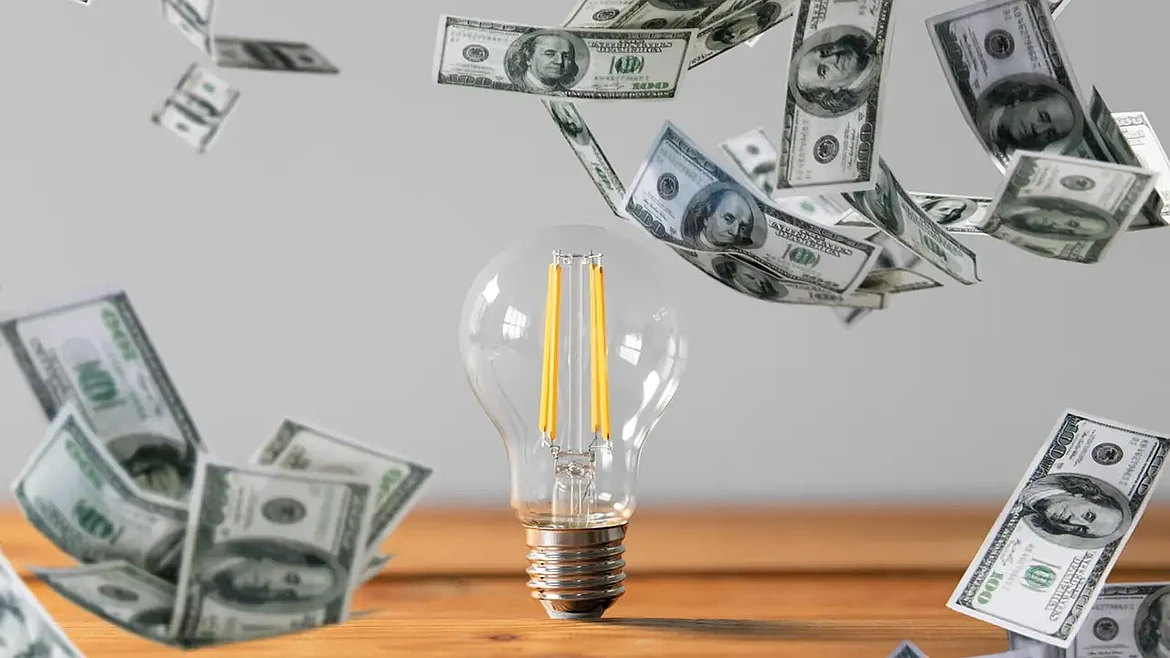
Electricity bills increasing are encouraging more homeowners to invest in efficiency upgrades that lower monthly utility bills and improve long-term comfort. Improvements such as better insulation, energy-efficient windows, modern HVAC systems, and smart home technology can reduce energy waste while adding value to a home.
Every time the utility bill arrives, it seems a little higher than the month before. With consumer prices rising 3.5% in June (CNBC), many homeowners are looking for practical ways to control household expenses instead of simply paying more each month. Energy efficiency upgrades offer a chance to reduce ongoing costs, create a more comfortable living space, and prepare a home for the future without sacrificing everyday convenience.
Start With A Home Energy Assessment
Before investing in major upgrades, determine where your home is losing the most energy. A professional home energy assessment provides a clear picture of your home's performance and helps identify improvements that will have the biggest impact on comfort and monthly utility bills.
During a home energy audit, an energy professional evaluates:
- Insulation levels
- Air leaks
- Heating and cooling equipment
- Ductwork
- Windows
- Doors
- Lighting
- Appliances
Some assessments may also include specialized tools, such as blower door tests or thermal imaging cameras, to locate hidden areas where conditioned air escapes.
The findings can help homeowners prioritize projects instead of guessing where to spend their renovation budget. In many cases, simple improvements completed early can increase the effectiveness of larger upgrades completed later.
Upgrade Insulation For an Energy Efficient Home
Insulation is one of the top ways to improve an energy-efficient home because it helps maintain consistent indoor temperatures throughout the year. Without enough insulation, heated or cooled air escapes more easily, forcing your HVAC system to work harder and increasing monthly utility costs.
Many older homes have insulation levels that no longer meet current energy recommendations. Changing out insulation in major areas can cut down on heat loss during colder months and limit the maximum heat gain during summer, creating a more comfortable home while reducing your general energy consumption.
Common areas where insulation upgrades provide the greatest benefits include:
- Attics
- Exterior walls
- Crawl spaces
- Basements
- Garage ceilings
- Floors above unheated spaces
Choosing the right insulation material and R value depends on your home's design and local climate. A qualified contractor or home energy assessor can recommend the most effective solution based on your property's specific needs.
Switch Doors and Windows
Older doors and windows are common sources of air leaks and unwanted heat transfer, making heating and cooling systems work harder throughout the year. Replacing worn or poorly insulated units with modern, energy-efficient products can improve indoor comfort while reducing monthly utility costs.
High-quality replacement windows feature insulated frames, multiple panes of glass, and low emissivity coatings that help regulate indoor temperatures. Properly fitted exterior doors with quality weatherstripping also reduce drafts and help keep conditioned air inside the home.
If you are considering replacement windows or doors, working with an experienced installer like Pella Omaha can help ensure products are properly matched to your home's:
- Design
- Climate
- Energy goals
Professional installation is just as important as the products themselves because even the most efficient windows and doors cannot perform as intended if gaps allow air to leak around the frames.
Upgrade To Energy Efficient Appliances
Older appliances often use considerably more electricity and water than newer models, making them an overlooked source of high utility bills. Replacing aging equipment with energy-efficient alternatives can reduce household energy consumption while improving reliability and performance.
Homeowners do not have to replace every appliance at once. Prioritizing the oldest or most frequently used appliances allows upgrades to fit within a realistic budget while delivering noticeable savings over time. Comparing operating costs, warranty coverage, and expected lifespan can help identify the best long-term value.
Energy-efficient appliances that commonly provide meaningful energy savings include:
- Refrigerators
- Dishwashers
- Washing machines
- Clothes dryers
- Water heaters
- Heat pump systems
Regular maintenance is just as important as purchasing efficient equipment for rising energy costs. Cleaning refrigerator coils, replacing HVAC filters, inspecting water heater components, and following manufacturer maintenance recommendations help appliances operate efficiently throughout their lifespan.
Frequently Asked Questions
What Should Homeowners Ask Before Hiring an Energy Efficiency Contractor?
Before hiring an energy efficiency contractor, homeowners should ask about:
- Licensing
- Insurance
- Experience with similar projects
- Warranties
- Estimated return on investment
Requesting a detailed written estimate also makes it easier to compare proposals and understand exactly what work will be completed.
It is also helpful to ask if the contractor:
- Performs home energy assessments
- Is familiar with local building codes
- Can help identify available rebates or tax incentives
Checking references and reading recent customer reviews can provide additional confidence that the contractor delivers quality workmanship and stands behind the completed project.
When Is the Best Time of Year to Complete Energy Efficiency Improvements?
The best time to complete energy efficiency improvements is often during the spring or fall when temperatures are more temperate, and contractors typically have greater availability. Scheduling projects before the peak heating or cooling seasons allows homeowners to enjoy lower energy use as demand increases.
Simple options such as sealing air leaks or installing a smart thermostat can be completed at almost any time of year. Larger projects, including window replacements, HVAC installations, or roofing work, are often easier to schedule during periods with favorable weather conditions, helping avoid delays and ensuring the improvements are ready before extreme summer or winter temperatures arrive.
How Should Homeowners Budget for Energy Efficient Renovations?
Identify the energy-efficient upgrades that will have the greatest impact on your home's energy use rather than trying to complete every project at once. A home energy assessment can help prioritize improvements so your budget is focused on upgrades that deliver the strongest long-term value.
Set a realistic spending plan that includes:
- Materials
- Labor
- Permits
- A contingency fund
Homeowners should also research available rebates, tax credits, and utility incentives before beginning work, as these programs can significantly reduce upfront costs.
Electricity Bills Increasing: Address It Today
If you've noticed electricity bills increasing, it might be time to invest in upgrades.
Do you need more help saving money? Explore some of our other useful posts today.
This article was prepared by an independent contributor which helps us continue delivering quality content to our audiences.