
Road rage is renewing calls for safer driving habits
Arin Barry | Bonner County Daily Bee | UPDATED 6 days, 18 hours AGO
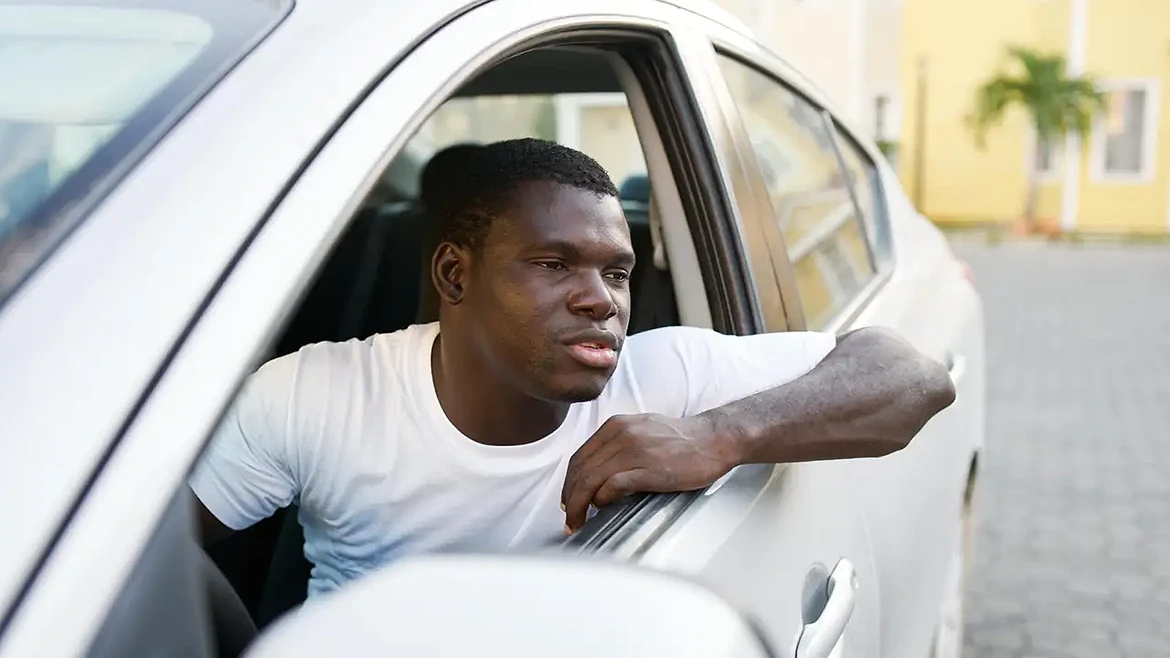
Road rage has become a growing concern because aggressive behavior behind the wheel can lead to decisions that put people at risk.
The driver ahead cuts across two lanes without signaling. Your jaw tightens. Your hand hovers over the horn.
It's a situation almost every driver has experienced. The Zebra's 2024 survey found that 96% of drivers had witnessed at least one aggressive driving behavior during the previous six months, showing how common these encounters have become.
How you respond in the next few seconds can determine whether the situation ends as an annoyance or escalates into a crash, an arrest, or criminal charges.
What's the Difference Between Aggressive Driving and Road Rage?
Aggressive or offensive driving covers behaviors like:
- Speeding
- Tailgating
- Unsafe lane changes
- Blowing through traffic signals
Road rage goes further; it's a deliberate attempt to intimidate or harm someone, whether through:
- Threats
- Forced collisions
- Physical confrontation
One is a traffic violation; the other can be a criminal act, and the line between them often gets crossed gradually.
For example, tailgating turns into blocking, blocking turns into shouting, and shouting turns into something no one can walk back. That first mistake never excuses what follows.
Why Does Anger Take Over Behind the Wheel?
Congestion, long commutes, missed exits, and parking disputes can test everyone's patience. Fatigue, heat, loud noise, hunger, and pressure to arrive on time can all make self-control harder.
The enclosed cabin can also create a sense of distance from other people. A driver may forget that the person in the next vehicle is a:
- Parent
- Worker
- Tired traveler
That emotional distance can make a rude gesture or dangerous maneuver feel consequence-free until it isn't.
An improper lane change made in anger can trigger a chain-reaction crash, and you have no way of knowing whether the driver you're provoking is impaired, armed, or simply willing to get out of the car. Trying to prove a point can turn a few seconds of frustration into serious injury or criminal charges.
How Can Drivers Prevent Road Rage Before It Starts?
Check traffic before leaving and allow extra time for delays. A late arrival is safer than:
- Speeding
- Weaving through lanes
- Forcing a risky merge
If traffic becomes heavy, accept the delay instead of treating every slow vehicle as an obstacle.
When you're not racing the clock, you have more room to notice hazards and respond calmly instead of chasing seconds.
Give Other Drivers Space
Keep a safe following distance and allow other vehicles to merge when it is safe. Racing to close a gap can trap both drivers and raise tension. If another motorist is tailgating, change lanes when it's safe and let that driver move ahead rather than trying to hold your ground.
Space gives you more time to brake, steer, and assess what is happening. It also reduces the chance that a small error will become a direct conflict. Defensive driving requires attention, not passivity.
Stay Predictable and Avoid Provocation
Signal before turning or changing lanes, follow speed limits, obey traffic controls, and choose the proper lane early. Predictable driving reduces confusion at busy intersections and highway merges. It also gives other road users a clearer idea of what you plan to do.
What Should You Do if Another Driver Turns Aggressive?
Don't take the bait or retaliate. If you make a mistake, a brief wave of acknowledgment may be enough when it is safe. After that, return your focus to driving.
Do not stop on the shoulder to settle an argument. Pride has little value when a confrontation can cause a crash or put passengers at risk.
If a driver seems to be following you, don't head home. Drive toward a busy, well-lit public place, a police station, or a crowded store, and stay inside your locked vehicle if they pull up nearby.
Call 911 the moment a driver threatens you, brandishes a weapon, or tries to force you off the road. Let a passenger make the call if you're still driving. Note the vehicle's color, make, model, and license plate, but never chase the car; report what happened and let law enforcement handle the rest.
Frequently Asked Questions
How Can You Stay Calm When Driving?
Staying calm starts before you put the car in gear. Adjust your mirrors, set your navigation, secure loose items, and silence distractions before you leave so you can focus on the road instead of multitasking. Check for an alternate route if traffic looks heavy.
Learn to recognize your own warning signs: white knuckles on the wheel, hard acceleration, or muttering under your breath. When you notice them, treat that as your cue to slow down, take deep breaths, and increase following distance. Give cyclists and pedestrians room, watch your blind spots, and remember that the choices you make are the ones that keep everyone safer.
Is Road Rage a Crime?
Road rage itself usually isn't a standalone charge, but the behavior behind it often is. Depending on what happens, drivers can face charges ranging from reckless driving to assault, or worse if the incident causes injury or death.
If another driver's road rage causes a crash, you may also want to speak with experienced Denver vehicle accident lawyers to understand your legal rights and whether you can pursue compensation for your damages.
What Role Does Driving Under the Influence Play?
Driving under the influence of alcohol or drugs can affect self-control and reaction time. As a result, impaired drivers may be more likely to:
- Misinterpret another driver's actions
- React aggressively to everyday traffic situations
- Make unsafe driving decisions
Are There Psychological Factors Linked to Road Rage?
Research suggests that drivers with poor emotional self-control or certain antisocial personality traits may be more likely to react aggressively behind the wheel. Studies also show that emotional intelligence and healthy coping skills may reduce the risk of aggressive driving.
Road Rage Starts With a Choice
Road rage may start with a delay or a perceived insult, but the response is always a choice. Every driver shares responsibility for making the roads safer, and choosing patience over anger is one of the simplest ways to protect yourself and everyone around you.
Safer roads begin with better decisions. Explore our website for more articles and resources.
This article was prepared by an independent contributor which helps us continue delivering quality content to our audiences.