
Sewer maintenance costs rise every time someone flushes a wipe
Nicole Melchionda | Daily Inter-Lake | UPDATED 6 days, 18 hours AGO
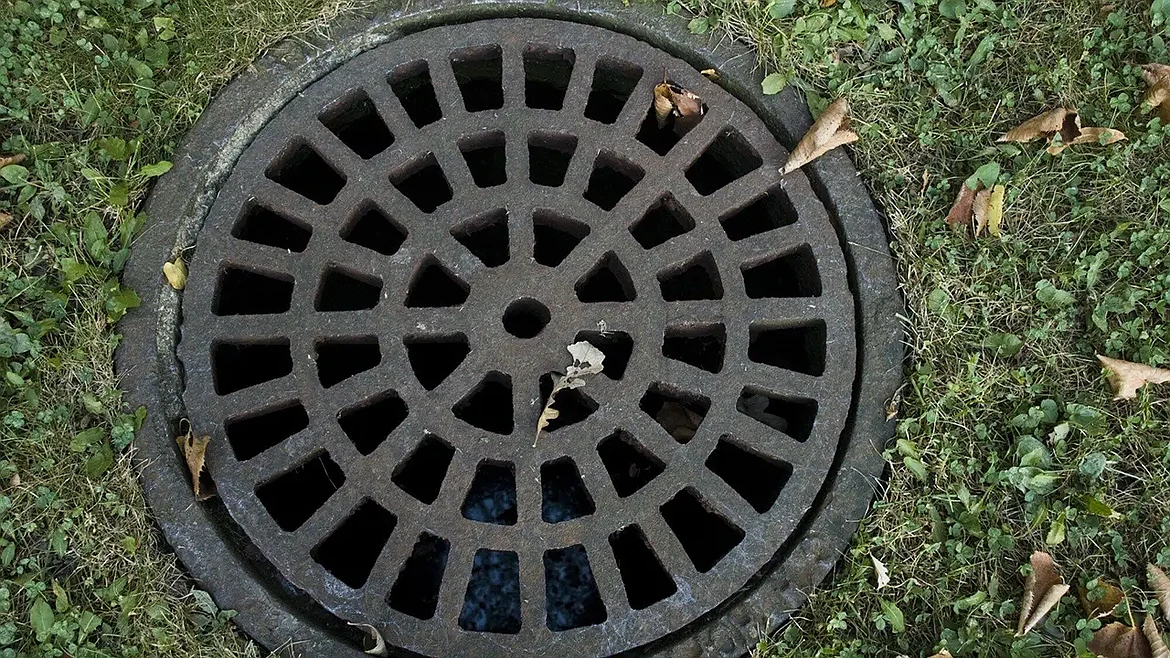
Flushing wipes, even those labeled "flushable," can lead to everything from sewer blockages and higher repair costs to increased pressure on public wastewater systems. Each wipe that joins a sewer network has the potential to get caught up in grease, debris, and other materials, which creates expensive sewer maintenance problems.
Numerous people assume a wipe disappears after it leaves the toilet, and that's that, but the journey through a sewer system is far more complicated than it may seem. Over time, one wipe turns into one hundred and beyond, increasing costs for homeowners, cities, and utility providers responsible for keeping sewer systems operating reliably.
Why Do Flushable Wipes Cause Sewer Problems in the First Place?
Toilet paper is supposed to break apart quickly when it comes into contact with water, and usually does. However, wipes are made to stay intact longer, which makes them useful for cleaning but very problematic when they're introduced into sewer systems. Even products marketed as flushable may not break down at the same speed as traditional toilet paper.
As wipes whoosh through underground pipes, they can catch on the following and more:
- Rough areas
- Tree roots
- Existing buildup
Other materials then attach to them, too, creating larger and larger blockages. Grease, oils, paper products, and other debris can intermingle with wipes to form dense masses that restrict water flow or stop it altogether.
One of the most serious examples of this problem is the formation of something known as a fatberg. Fatbergs are massive accumulations of grease and solid waste that can get trapped in sewer lines. Fatberg removal usually requires specialized equipment and extensive labor.
Amassed blockages put even more stress on wastewater infrastructure that was only built to handle human waste and rapidly dissolvable paper products. Older systems are especially vulnerable because aging pipes may already have the following to contend with:
- Cracks
- Corrosion
- Reduced capacity
When wipes become part of the problem, existing weaknesses can turn into bank-breaking failures.
How Much Do Sewer Blockages Cost Cities and Homeowners?
The costs of sewer problems caused by wipes can add up fast. Cities must pay for everything from inspections and emergency responses to pipe cleaning and repairs.
They also need special equipment to keep systems functioning. Such expenses can impact the budgets of municipal utilities, which are responsible for keeping public sewer networks in check.
Regular sewer maintenance helps cut down on the risk of major failures, but preventative work still uses significant resources. Crews must do the following before they create backups or overflows:
- Inspect lines
- Remove buildup
- Address problem areas
As mentioned, certain jobs can't be done without specialized vehicles. Vactor sewer cleaning trucks use high-pressure water systems and powerful vacuum technology to get rid of debris and clean sewer lines. The equipment allows crews to take care of blockages before they develop into larger and larger issues that could destroy pipes and disrupt service.
Numerous communities rely on sewer cleaning trucks as part of their ongoing maintenance programs. While these vehicles are effective, operating them still requires fuel, labor, training, and consistent upkeep. Preventing unnecessary blockages helps reduce how often cities need to send out and use expensive equipment.
Homeowners can also end up dealing with the financial consequences of sewer problems. A clogged private sewer line may require professional cleaning or repairs. In the worst-case scenario, backups can cause property damage that leads to even more costs.
What Happens When a Sewer System Gets Clogged With Wipes?
While a sewer blockage doesn't happen from a single wipe alone, problems develop when thousands of households flush wipes over time, allowing materials to accumulate throughout the system.
The earliest warning signs may include the following:
- Slow drains
- Toilets that frequently clog
- Gurgling sounds from pipes
- Unpleasant sewage smells
Symptoms like the above indicate that wastewater may not be flowing as it should. Ignoring them can lead to even more serious problems, including sewage backups inside homes or overflow events in public areas.
For cities, large-scale blockages can create substantial challenges. Sewer networks cover a vast amount of ground in many communities. As such, it's difficult to pinpoint problems before they progress into outright emergencies.
Regular inspections and cleaning programs go a long way toward helping utilities locate trouble areas and address them in time.
Technology has fine-tuned how crews manage these systems. Cameras can inspect underground pipes and highlight:
- Buildup
- Cracks
- Other damage
Cleaning equipment can then target specific areas instead of relying only on emergency responses.
However, equipment and technology can only solve a portion of the problem. Reducing the amount of non-degradable material entering sewer systems remains one of the most tried-and-true ways to lower maintenance demands.
Frequently Asked Questions
How Can Homeowners Prevent Sewer Problems?
Homeowners do their best to reduce the risk of sewer issues by only flushing toilet paper and human waste. Wipes, paper towels, cleaning cloths, and similar products should be thrown in the trash instead of introduced to plumbing systems.
Keeping grease and cooking oils out of drains is also crucial because they can tend to harden inside pipes and contribute to blockages. Routine plumbing inspections and staying on top of initial warning signs, such as sluggish drains or strange smells, can help prevent larger problems.
Do Sewer Problems Affect The Environment?
Yes, of course. Sewer blockages can contribute to backups and overflows that release contaminated water into:
- Streets
- Waterways
- Surrounding areas
Events of this nature can create health concerns and harm local ecosystems.
Maintaining reliable wastewater systems goes a long way toward helping protect communities by keeping sewage contained and ensuring treatment facilities can operate at peak efficiency. Responsible disposal habits are a staple part of supporting cleaner and safer environments.
Sewer Maintenance Is Made All the More Difficult With Wipes
Even if a wipe is described as flushable, it's always better to be safe and throw it away in the trash rather than down the toilet. That way, you can lessen the immense load that sewer maintenance experts have to deal with.
Our publication is your one-stop shop for high-quality information on all the latest news. Subscribe now so that you can always stay in the know.
This article was prepared by an independent contributor which helps us continue delivering quality content to our audiences.