
Uninsured motorist coverage is the part of your policy that matters most
Haley Crim | Daily Inter-Lake | UPDATED 6 days, 16 hours AGO
Uninsured motorist coverage, while not a typical feature of most policies, is essential for drivers who want to feel safe and confident while driving. Drivers in rural states may have more uninsured or underinsured drivers due to factors such as lower budgets, less enforcement, and lack of public transportation options.
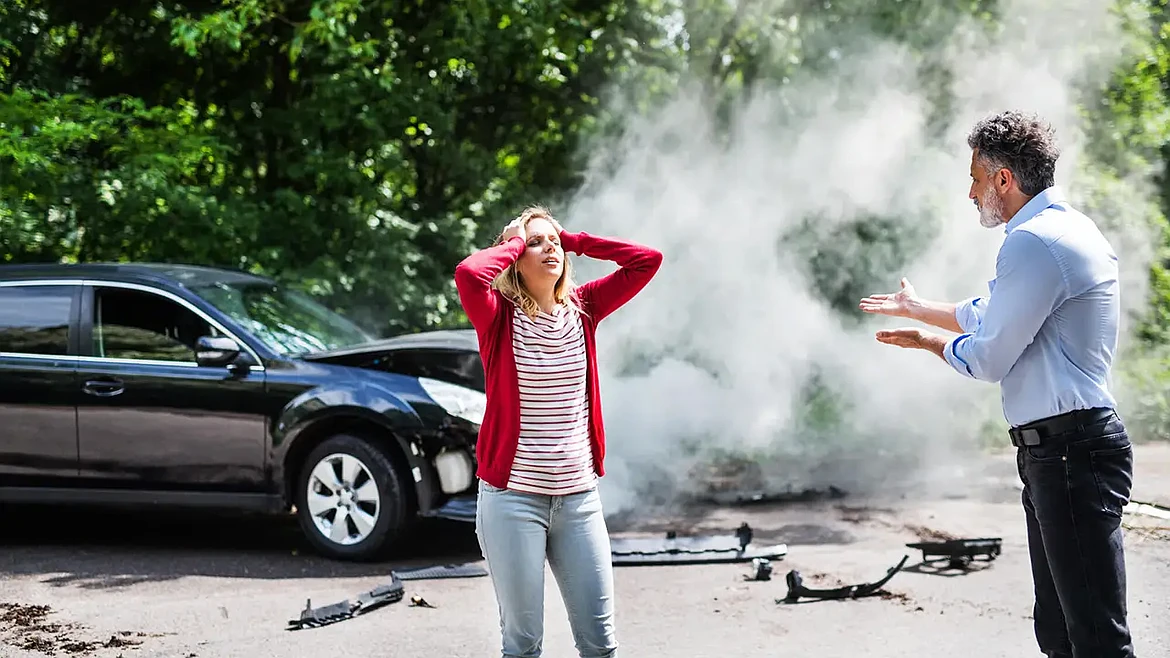
Picture this: It is a beautiful day, and you are enjoying a drive with the windows down. The next thing you know, another driver rams into your vehicle.
The good news? No one is hurt. The bad news is that they do not have an active car insurance policy.
An uninsured driver can have a massive impact on your own financial situation, even if you are not the at-fault party.
What Is Uninsured Motorist Coverage?
Uninsured motorist coverage is a type of supplemental auto insurance that will provide extra protection in case one of the parties involved in the accident does not have insurance. It is a great option for drivers who want full protection and can afford the additional premiums.
Is Excess Uninsured Motorist Coverage Worth It?
Yes. Uninsured motorist coverage can be worth it because it provides extra financial protection.
Having that cushion is especially important for families with stricter budgets or drivers who cannot afford to miss work or pay for expensive medical bills out of pocket.
Who Pays When You Are Hit by an Uninsured Driver?
It depends on whether the driver has insurance. If they have an adequate policy, then their insurance will pay if they are at fault.
If they are uninsured and you have uninsured coverage, your policy can likely cover bodily and property damages. Even if you do not have uninsured motorist coverage, you may be able to receive compensation for many of your expenses by suing the driver who is at fault, according to Abel Law Firm.
However, you will not have funds in the meantime to cover your expenses due to job loss and medical bills, and you may not win the lawsuit.
The Difference Between Uninsured and Underinsured Motorist Coverage
While the two types of insurance policies may sound similar, they are actually very different. Uninsured motorist coverage is for drivers who lack any type of insurance.
Even if you are not at fault for the accident, you will still have to pay for damages if the other driver doesn't have insurance.
However, underinsured coverage applies when the driver at fault in the accident does not have enough coverage to pay for the necessary expenses. Uninsured coverage mainly applies to cases of bodily harm and property damage, while underinsured coverage fills the gaps that a traditional car accident claim may not in the event of a collision.
Why Do Rural States Have a Higher Risk of Uninsured Drivers?
There is no concrete evidence that points to rural states having higher rates of uninsured drivers. However, some circumstances may lead drivers in less populated areas to have less or no insurance coverage.
Less Access to Public Transportation
Rural areas tend to be more spread out, with more square miles between small towns and suburban neighborhoods. Therefore, they often have little to no public transportation, meaning that citizens rely more on cars for transportation.
With a higher percentage of the population driving, there may seem to be more drivers who do not have the appropriate insurance coverage.
Infrequent Enforcement Measures
When homes and businesses are more spread out, it means that law enforcement has more ground to cover. Smaller rural budgets might also mean that police do not have as many resources for law enforcement.
Since police are less present, they are less likely to pull people over and require proof of insurance.
Tighter Budgets
Americans who live in less populated areas tend to have a lower cost of living but also lower pay. They may not have as much money to spend on necessities such as car insurance when there are other more pressing expenses such as groceries or childcare.
Frequently Asked Questions
Can You Apply for or Renew Your Driver's License Without Insurance?
Yes. However, if you are obtaining your driver's license for the first time or taking a behind-the-wheel test, then the vehicle you use needs to be up to date on its insurance policy.
Additionally, whenever you register your car for the first time or renew your registration, you need to provide proof that you have car insurance.
Make sure that you look up the requirements for your specific state, as they can change depending on where you live. Always keep your insurance information in your car, within easy reach, in case a police officer needs it quickly.
Do You Need Uninsured Motorist Insurance to Get a Car Loan?
Typically, no. While many lenders require borrowers to take out a comprehensive, full-coverage insurance policy, not all of them require uninsured motorist insurance.
If you plan to take out an auto loan, check with your loan provider before purchasing car insurance so you understand whether you need to have uninsured motorist coverage.
What Is the State With the Highest Rates of Auto Insurance Coverage?
ValuePenguin states that the national rate for uninsured drivers is 13%, meaning that more than one in 10 of those on the road do not have auto insurance.
The states with the lowest rates of uninsured drivers include:
- New York
- Maine
- New Jersey
- Massachusetts
- Pennsylvania
- Wyoming
States such as Maine have a more populated insurance marketplace, so drivers can choose from more competitive rates that incentivize them to buy a policy. States such as New York have stricter laws regarding uninsured driver coverage and harsher penalties for drivers who do not comply.
Make Sure You Have the Right Insurance Policy
With uninsured motorist coverage, you can have more peace of mind when driving and feel more comfortable while at the wheel. Use this guide to determine the right car insurance policy for your needs.
Want to learn more about the latest developments within the insurance industry? Take a look at our website for further informative updates.
This article was prepared by an independent contributor which helps us continue delivering quality content to our audiences.