
Are bigger vehicles making today's car accidents more severe?
Robert Blackburn | Shoshone News-Press | UPDATED 5 days, 4 hours AGO
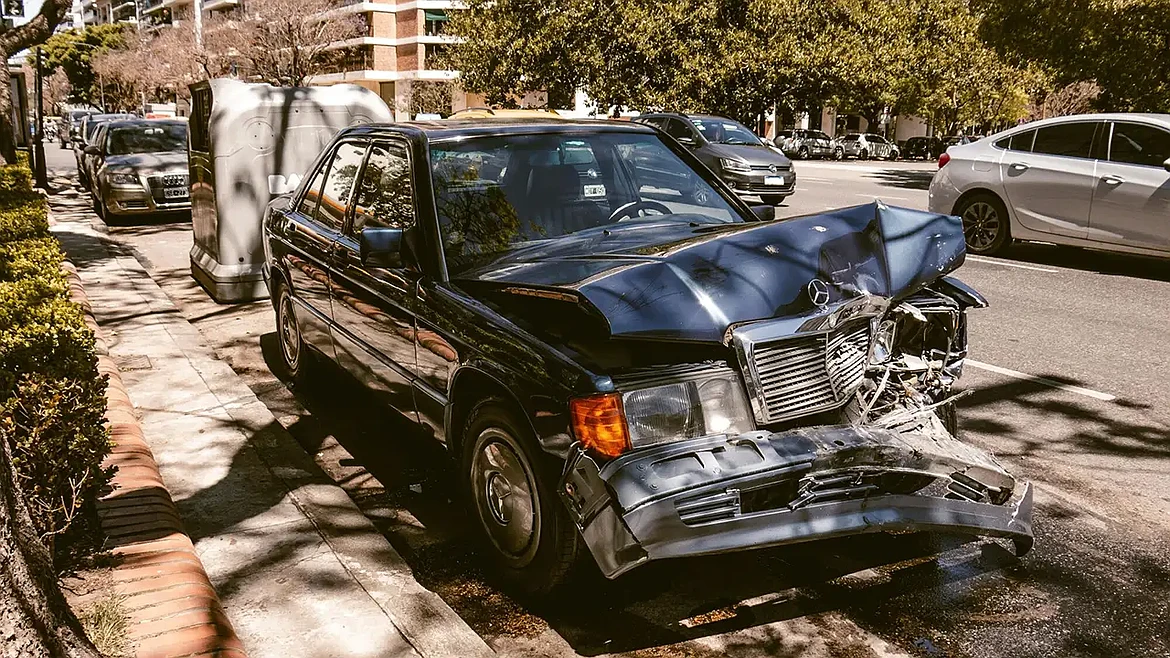
Bigger vehicles are making car accidents more severe, but not necessarily in the way you would think. Car crash studies show that extra size and weight raise the danger to those outside the vehicle more than they protect the people inside. Also, once a vehicle reaches a certain weight, the benefits all but disappear.
According to the Insurance Institute for Highway Safety (IIHS), drivers of cars up to 3 years old died at a rate of 58 per million registered vehicles in 2024, compared with 27 for SUV drivers. This is exactly why so many people buy big. However, they forget that it's people outside the heavy vehicle that pay the price.
Where the Safety Benefit Stops
The IIHS reports that the fleet average of 4,000 pounds is the tipping point for vehicle safety. Below that threshold, every 500 pounds of weight cuts the driver death rate by 17 per million registered vehicle years. However, the extra weight raises the death rate of other vehicle occupants by 1.
However, when you go over the 4,000-pound weight, there's hardly any reduction in risk for vehicle occupants. The risks for those in other vehicles continue to increase, though.
So the result is clear: road safety analysis shows that below the fleet average, bigger is safer for occupants. Above it, extra weight mostly transfers risk to everyone else.
Improvements in SUVs
Most of us love our SUVs, and the good news is that the impact of SUVs on other drivers has improved in recent years. The IIHS went on to report that since 2009, many SUV manufacturers have made changes to their front ends so they absorb impact more effectively. This means they are less dangerous for drivers of other vehicles when they get into car wrecks.
Front-End Height a Bigger Problem for Pedestrians
It turns out that design, not just a vehicle's mass, drives vehicle collision severity for pedestrians. A separate IIHS study analyzed 18,000 pedestrian crashes and found that vehicles with a hood more than 40 inches off the ground are 45% more likely to kill someone than cars with shorter or sloped hoods.
The shape and height of the front end of the vehicle affect where it makes contact with the pedestrian. Taller fronts strike the chest and head and also have a larger forward blind zone.
Why This Matters After a Crash
Vehicle safety trends affect what happens in the aftermath of a crash. Injuries from tall, heavy vehicles tend to be more severe, as they affect the torso and head. As noted by the National Institutes of Health (NIH), serious traumatic brain injuries can lead to permanent disability and death.
Even when injuries do not lead to life-changing conditions, the cost of medical care after an SUV or other large vehicle crash can be substantial. Denver crash injury attorneys can explain how to build a strong case and give yourself the best chance of financial recovery after car accidents involving mismatched vehicles.
Choose the Right Vehicle to Minimize Risk in Car Accidents
Whatever vehicle we choose, car accidents can happen at times. Choosing a vehicle near the fleet average of 4,000 pounds protects you about as well as choosing a much heavier one, while putting far fewer people at risk.
For more helpful hints and tips to keep you safe on the road, check out our other articles today!
This article was prepared by an independent contributor which helps us continue delivering quality content to our audiences.