
The everyday habits that can affect your eye health
Cristal Dyer | Bonner County Daily Bee | UPDATED 5 days, 5 hours AGO
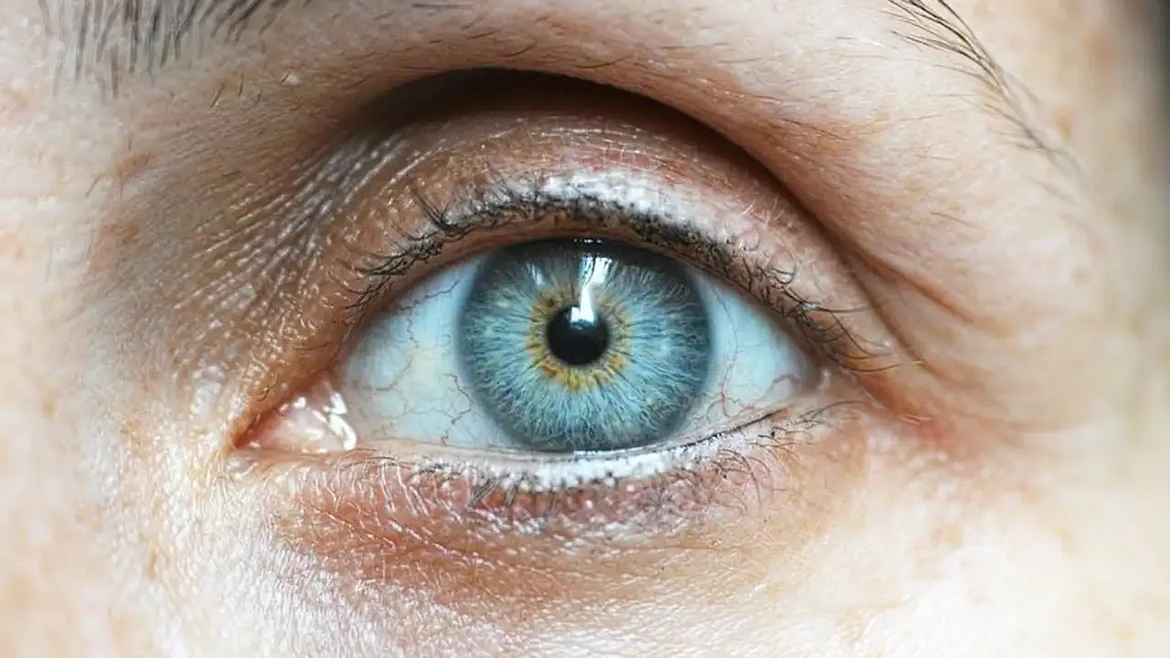
Everyday habits like staring at screens for hours, skipping sunglasses, sleeping in contacts, and rubbing your eyes can quietly damage your eye health. Small adjustments, like taking screen breaks, wearing UV protection, and keeping hands and lenses clean, lower your risk of strain, infection, and long-term vision problems.
A 2024 National Center for Health Statistics study found that about half of teenagers spend four or more hours a day in front of a screen, and that figure keeps climbing. Picture the last few hours of your day: scrolling before bed, squinting at a laptop through lunch, skipping sunglasses on the drive home. None of it feels risky in the moment, but your eyes absorb the consequences long after the screen goes dark.
Are Your Devices Hurting Your Eyes?
Screens are a big part of daily life now, and staring at one for hours can leave your eyes feeling tired and dry. Doctors call this digital eye strain, and it often shows up as blurry vision, headaches, or a gritty feeling that just won't go away.
The 20-20-20 rule is a simple fix that actually works pretty well. Every 20 minutes, look at something 20 feet away for 20 seconds, and your eye muscles get a short break from focusing up close. Building vision-friendly habits around your screen time can lower your risk of strain quite a bit.
A few extra tweaks can lower your risk even further:
- Increase text size so you're not squinting
- Position your monitor slightly below eye level
- Use artificial tears if your eyes feel dry
- Cut glare with a matte screen filter
Habits That Put Your Eye Health at Risk
A handful of everyday habits do quiet damage to your eyes without you really noticing at first. Some are easy to fix once you know what to look for, and a few are worth taking seriously right away.
Rubbing Your Eyes
Rubbing your eyes might feel good in the moment, yet it can actually cause more harm than you'd expect. The pressure can irritate the surface of your eye and raise your risk of infection over time.
Some people even search, "What is the white bump on my eyeball?" after rubbing their eyes too often, since irritation can lead to small bumps or styes. If a bump shows up and doesn't go away in a few days, a visit to an eye doctor is worth it.
Skipping Sunglasses
Sunglasses do more than complete an outfit; they actually protect your eyes from UV rays. Skipping them on sunny days, even for short walks, adds up to real damage over the years.
UV exposure has been linked to several eye health conditions, including cataracts and growths on the surface of the eye. Wearing sunglasses that block UVA and UVB rays is one of the easiest ways to guard against this.
Sleeping in Contacts or Makeup
Falling asleep with your contacts in is a habit that's fairly common, yet it's still risky. Contacts block oxygen from reaching your cornea, raising your chance of infection during sleep.
Leaving makeup on overnight causes problems too. Old mascara and eyeliner can trap bacteria near your lash line, which sometimes leads to irritation or clogged glands.
Smoking
Smoking affects far more than your lungs. It ranks among the biggest risk factors for vision loss later in life, and the damage tends to build up quietly over the years.
Contact Lens Hygiene: What Should You Be Doing Differently?
Contact lenses need more care than most people realize, and small mistakes can lead to big problems. Using tap water to rinse your lenses or case is a common mistake, and it can introduce bacteria that cause serious infections.
Daily eye protection starts with treating your lenses like the medical device they actually are. A few consistent habits keep your eyes safer without adding much time to your morning or night routine.
A solid lens care routine should include:
- Clean hands before inserting or removing lenses
- Fresh solution every time, never reused
- A new case every three months
- No sleeping in lenses without your doctor's approval
Simple Habits That Protect Your Vision
Good eye care routines don't have to be complicated or time-consuming. A handful of small habits, done consistently, can protect your eyes for years to come.
Building healthy vision starts with paying attention to the little things you do every day. Regular eye exams catch problems early, often before you notice any symptoms yourself, and that alone makes them worth scheduling.
None of these habits require a big lifestyle change or a lot of extra time. Small, steady choices, repeated often enough, tend to matter more than any single dramatic fix ever could.
Frequently Asked Questions
Does Diet Affect Eye Health?
Yes, what you eat plays a real role in how your eyes age. Foods rich in omega-3s, leafy greens, and vitamin C are linked to a lower risk of certain eye conditions over time, and staying hydrated helps too.
Can Blue Light Glasses Really Help?
The research here is still mixed, so results tend to vary from person to person. Some people report less eye fatigue when wearing them, though most doctors say screen breaks and blinking do more to help.
How Often Should You Get an Eye Exam?
Most adults should get an eye exam every one to two years, even without noticeable vision problems. Kids and older adults typically need to go more often, since their eyes change faster.
What Are Early Signs of Eye Strain?
Watch for headaches, blurry vision, or a heavy feeling around your eyes by the end of the day. Sensitivity to light and trouble focusing on close objects are early signs worth paying attention to as well, and they usually ease up once you rest your eyes.
Protecting Your Eyes Starts With Small Changes
The habits you repeat every day, from hours spent on a screen to skipping sunglasses on a sunny walk, add up over time to either protect or erode your eye health. Small, consistent changes, such as following the 20-20-20 rule, removing makeup before bed, and scheduling regular eye exams, lower your risk of strain, infection, and lasting damage far more than any single big change would.
Explore our website for more practical steps to keep your vision protected for years to come.
This article was prepared by an independent contributor which helps us continue delivering quality content to our audiences.