
The growing role of digital evidence in personal injury litigation
Robert Blackburn | Whitefish Pilot | UPDATED 5 days, 5 hours AGO
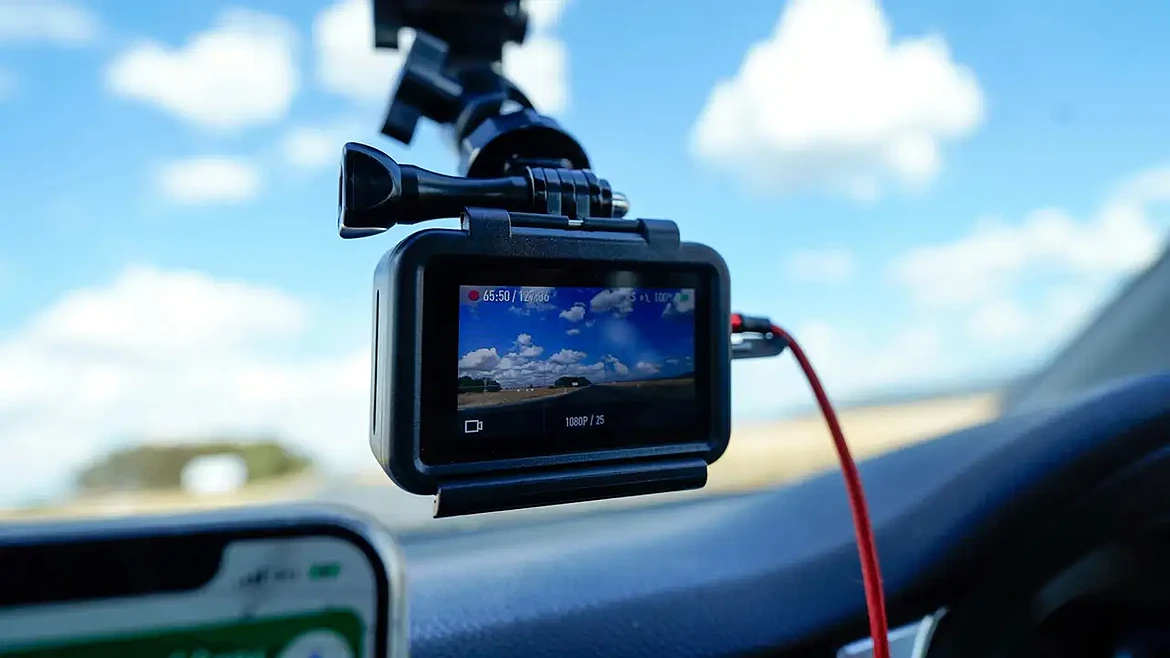
Digital evidence is increasingly allowing disputed injury claims to be settled by facts rather than memories. Our cars, phones, and even smartwatches can all record data that could be used as digital proof in court. Digital evidence carries more weight than he said/she said debates between injured parties.
When people are injured, and tempers are running high, technology in legal cases could help both parties reach speedier resolutions.
What Your Car Already Knows
Many cars are now fitted with Event Data Recorders (EDRs), also known as "black boxes." They capture 15 data points, including:
- Speed
- Brake status
- Seat belt usage
- Airbag timing
In the past, vehicles fitted with an EDR were only required to record 5 seconds before a crash. A December 2024 NHTSA rule extends this to 20 seconds for light vehicles manufactured after September 2027 that are fitted with EDRs. The goal is to shed more light on the decisions drivers make in the run-up to intersection collisions.
What You Carry and Wear
Wearable tech has now become mainstream. A study published in the Journal of Medical Internet Research found that 44.5% of respondents own wearables. The information they log could become evidence in injury cases.
Activity logs can show changes in your physical condition after an accident. If your activity levels plummet, this could corroborate a mobility claim. Conversely, if there is no change, this could suggest that your mobility is just fine.
Phones can also paint a digital picture of what was happening just before the accident. They can hold location data and also show what the injured party was doing in the run-up to the accident. They can be used to strengthen or weaken distracted driver and pedestrian cases.
Video Is Everywhere
Doorbell cameras, dashcams, transit and commercial fleet cameras, and business CCTV mean that many crashes and accidents are recorded from angles nobody at the scene observed. The problem is that most of it overwrites automatically, sometimes within days.
Experienced accident attorneys can identify which cameras covered the scene and send preservation requests before the footage gets deleted.
Preservation Is Key
The strongest digital proof in court is useless if it's already gone. Cars get repaired, video footage gets deleted, and cloud accounts may purge on schedule.
Another risk is deleting your own data. Never delete anything without getting legal advice. Otherwise, you risk breaching federal rules around failure to preserve electronic evidence.
Digital Evidence Is the Future of Personal Injury Cases
Digital forensics in law is one of the personal injury lawsuit trends that shows no sign of slowing. Every year, more of what happens on the road is recorded by something, be it a car's black box, a watch on someone's wrist, or a camera above a shop door. Courts increasingly treat those records as the starting point rather than the supporting detail.
Technology in legal cases rewards people who act quickly and honestly, and punishes those who assume nobody will check. So if you get hurt, act fast, as digital evidence is only an advantage while it still exists.
If you've enjoyed these insights into the role of technology in the legal field, we've got plenty more for you. Check out our other blogs today.
This article was prepared by an independent contributor which helps us continue delivering quality content to our audiences.