
Truck crash trends safety experts are watching more closely in 2026
Alison Green | Hungry Horse News | UPDATED 5 days, 4 hours AGO
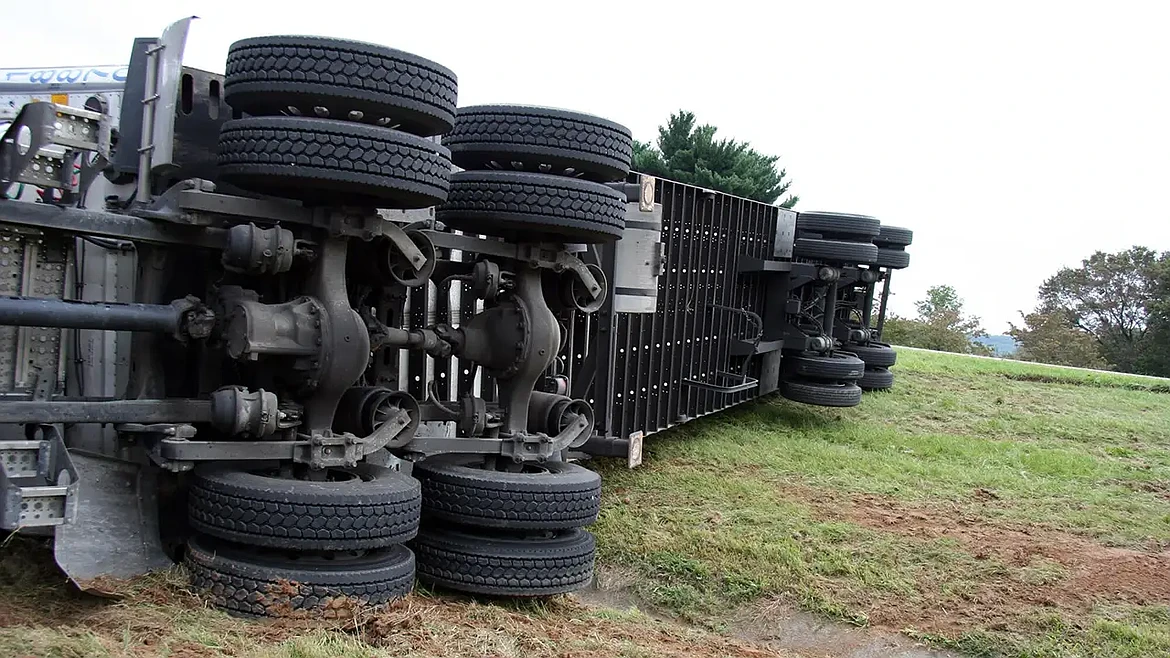
Driver shortages, aging infrastructure, and the limits of driver assistance technology are the truck crash trends putting the most pressure on road safety in 2026.
Trucks move the vast majority of freight in the United States, and the safety record of the industry moves with them.
Large-truck crashes killed over 5,000 people in 2024, up 30% over the last decade -- truck accident statistics that point to a persistent problem despite years of safety efforts, according to National Safety Council analysis of NHTSA data.
The data suggests the pressure on the industry isn't easing.
Driver Shortages Are Putting Pressure on Safety
When fleets are understaffed, available drivers work longer hours and face pressure to meet delivery windows that don't account for adequate rest. Fatigue is one of the most documented factors in serious truck crashes and one of the hardest to enforce against when economic pressure to keep moving is built into driver compensation.
Less experienced drivers filling vacant seats add to the risk. A driver with two years behind the wheel is navigating situations that take years to read correctly.
Infrastructure Wasn't Built for Today's Freight Volume
The roads and bridges commercial trucks travel daily were largely designed for a different era of freight volume.
More than 40,000 US bridges are currently classified as structurally deficient or in poor condition, according to Federal Highway Administration data.
Road safety on freight corridors depends on infrastructure that hasn't kept pace with demand. Weight restrictions on deteriorating structures push trucks onto roads not designed for their load, and rural routes carry a disproportionate share of freight traffic with the least maintained surfaces.
Technology Helps, but It Doesn't Eliminate Human Error
Truck safety regulations now require many commercial vehicles to carry driver assistance systems, and the technology has made a measurable difference in controlled conditions. The crashes that still happen tend to occur at the edges of what those systems were designed to handle.
What modern truck safety technology can and can't do:
- Automatic emergency braking reduces severity but can't compensate for a fatigued driver
- Lane departure alerts disengage in poor road markings and construction zones
- Forward collision warnings only work if the driver is alert enough to act on them
- Telematics track hours of service but can't prevent violations before they happen
The technology reduces the room for error. The driver's judgment remains the deciding factor.
When These Trends Lead to a Truck Crash
A truck crash caused by driver fatigue, inadequate maintenance, or infrastructure failure follows a pattern, and that pattern matters enormously when it comes to liability.
Evidence might disappear quickly after a commercial truck crash, so you ought to move quickly. Black box data, driver logs, inspection records, and maintenance history all need to be preserved fast.
A Denver truck accident lawyer knows how these cases are built and what it takes to hold the right parties accountable.
Truck Safety Is Everyone's Concern on the Road
Accident prevention on freight corridors depends on drivers, fleets, infrastructure, and technology all working together. Knowing the potential causes of a truck crash and what rights victims have is the first step toward accountability.
Discover more on road safety, local news, and the issues affecting the community on our website.
This article was prepared by an independent contributor which helps us continue delivering quality content to our audiences.