
OPINION: When laws become real
BECKY FUNK/The Idaho Way | Coeur d'Alene Press | UPDATED 4 days AGO
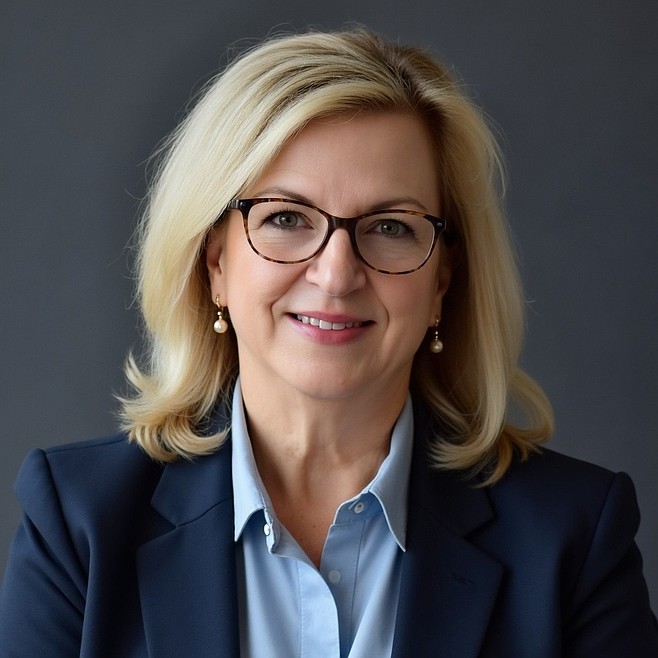
Becky Funk
Most new laws passed by the Idaho Legislature took effect on July 1. There were no bells or ribbon cuttings, and probably no one circled the date on the family calendar. Yet those laws, and the budgets behind them, are already beginning to shape our daily lives. Here are five examples:
House Bill 562 gives homeowners and commercial property owners 60 days’ notice before an insurance company can cancel or refuse to renew a policy, except in cases of nonpayment. That extra time matters for Idaho families living in wildfire-prone areas. Finding replacement coverage can be difficult, expensive, and sometimes nearly impossible. The law doesn’t force an insurance company to provide coverage or what it charges. It simply gives property owners more time to find another option before losing protection on what is likely their largest asset.
House Bill 911 addresses another growing concern locally: who pays when massive new electricity users, such as data centers, connect to Idaho’s power grid?
Under the new law, customers requiring 50 megawatts or more must enter into agreements reviewed by the Idaho Public Utilities Commission to make sure existing customers are not stuck paying for infrastructure needed to serve those enormous projects. While economic development is usually good, the rest of us shouldn’t see our electric bills increase by quietly being handed the cost of someone else's billion-dollar operation.
Senate Bill 1352 limits the ability of larger cities to prohibit qualifying starter-home developments. It allows smaller lots, reduced setbacks, and more compact neighborhoods while retaining requirements involving roads, water, sewer, fire safety, and other infrastructure.
The goal is to remove some of the regulatory barriers that make homes more expensive to build. Whether it actually produces more affordable housing remains to be seen. It also raises a legitimate question about local control. Both concerns deserve attention as the law begins to affect real neighborhoods.
House Bill 542 requires parental consent for social-media accounts belonging to children 16 and younger and places restrictions on features designed to keep children scrolling, including autoplay, personalized feeds, and certain targeted advertising.
Most parents understand social-media platforms are designed to capture attention, and children are particularly vulnerable. Still, Idahoans should watch how companies verify ages and obtain consent. Protecting children shouldn’t require every family to surrender even more personal information to technology companies.
Senate Bill 1297 addresses conversational artificial intelligence by requiring AI services to disclose that users are communicating with software when they might reasonably believe they are interacting with a human. It establishes additional protections for minors and protocols for
responding when users express suicidal thoughts. Technology has moved faster than the law, and Idaho is attempting to establish a few basic boundaries.
These five laws affect insurance coverage, electric bills, housing, parenting, privacy, and emerging technology. Some may work exactly as intended. Others may create unintended consequences. Most will probably do a little of both, which is another good reason for transparency.
Representative government only works when citizens can understand not merely that a bill passed, but what problem it was intended to solve, what tradeoffs were made, and how success will be measured.
Passing a law is not the end of the Legislature’s responsibility. It is the beginning of ours. One month is too soon to render a final verdict but it’s not too soon to start paying attention.
Good government does not require us to agree with every decision. It requires lawmakers to act within their proper role, explain their choices, and remain accountable for the results.
Our responsibility is to keep asking whether they have.
That’s the Idaho way.
• • •
Becky Funk is a member of North Idaho Republicans. She also serves as 1st Vice President of Idaho Federation of Republican Women and is former Legislative District 4 Republican Chair.