Hayden Lake steps up fight against invasive threats
DAVID BERNAUER | Hagadone News Network | UPDATED 2 months, 1 week AGO
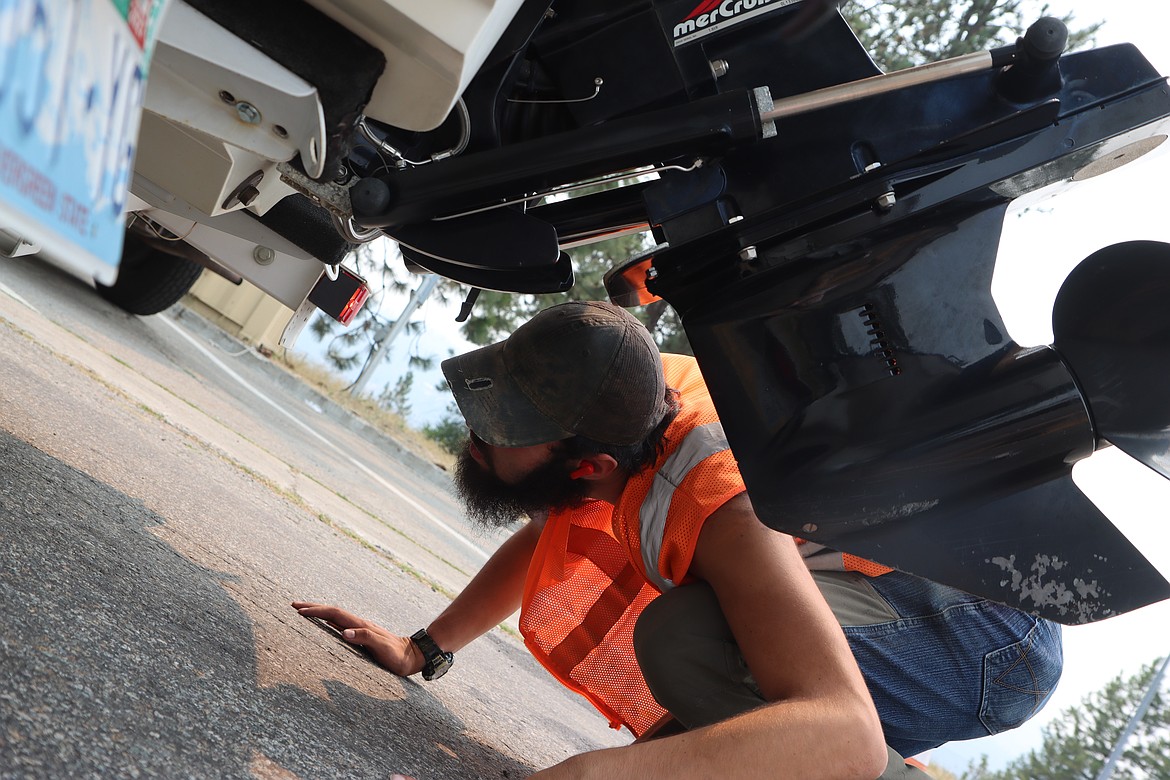
Watercraft inspector Nathaniel Johnson checks a boat for any signs of an invasive species.
David Bernauer
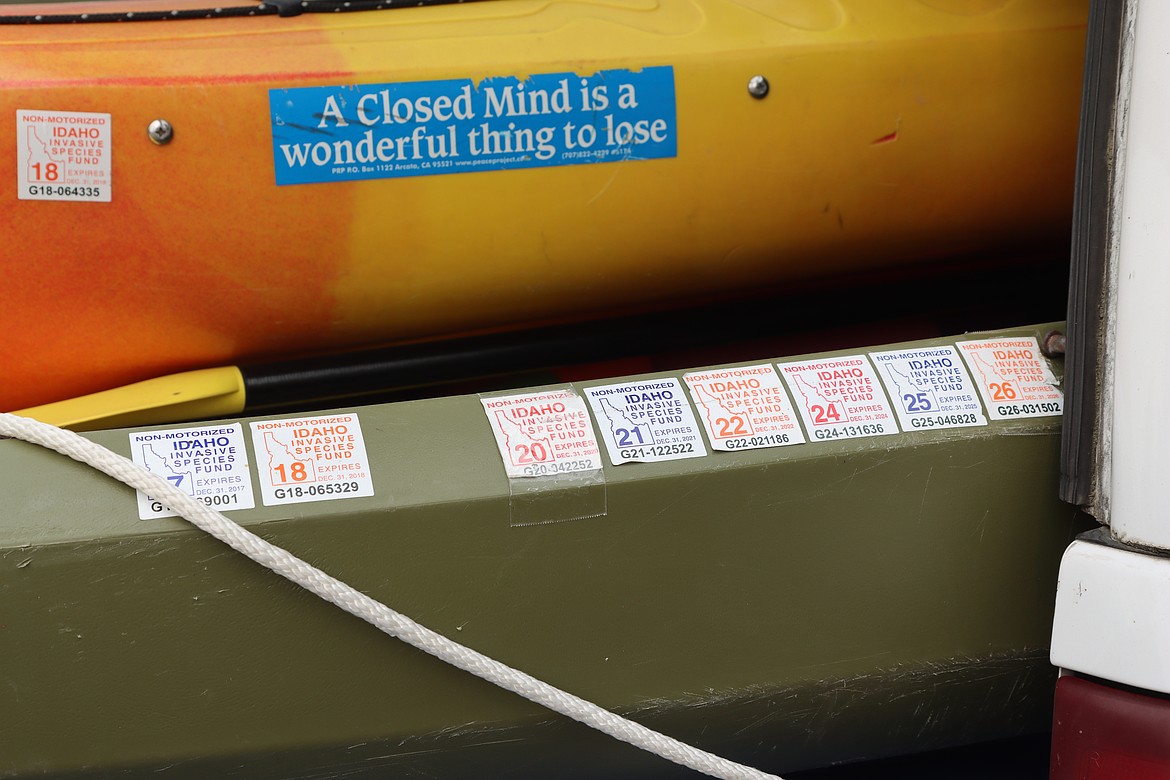
Canoes with plenty of registration stickers showing they are legally allowed in Idaho's waterbodies such as Hayden Lake.
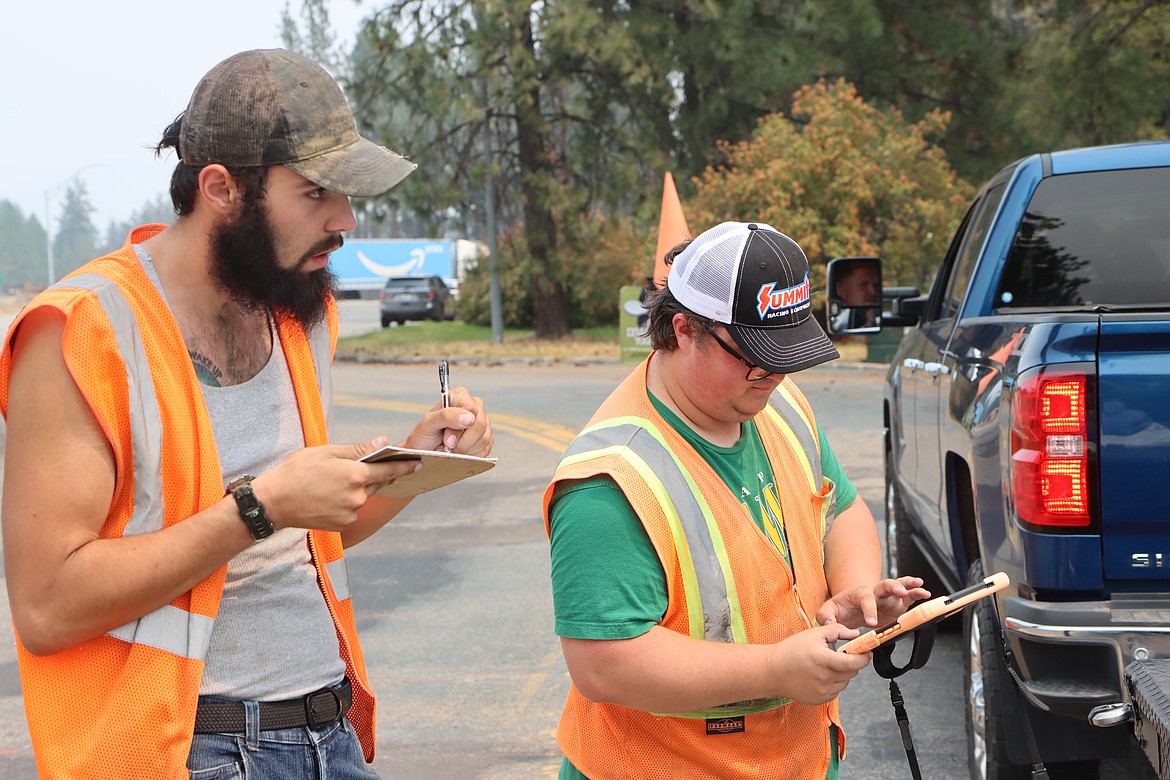
Watercraft inspectors Nathaniel Johnson (left) and James Carey (right) take notes during an inspection.
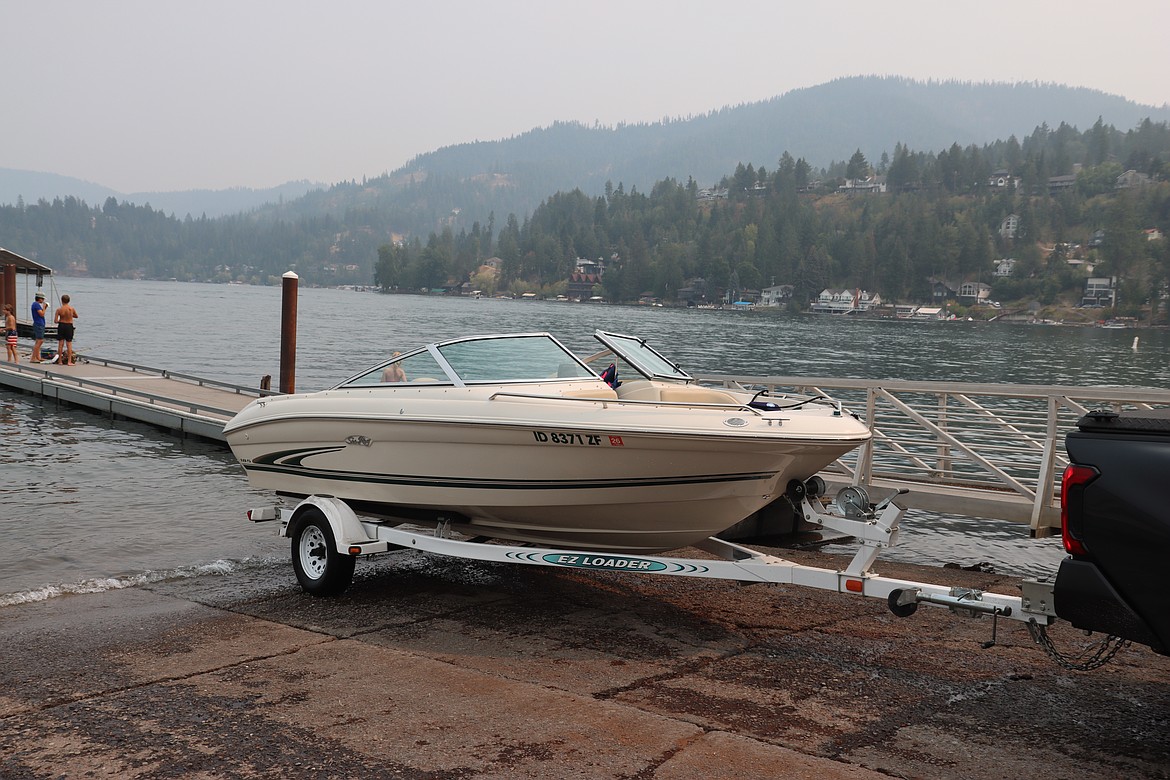
A lake goer pulls their boat out of Hayden Lake's waters behind their truck. The new Lake Host program will educate the public on preventing the spread of invasive species to Hayden Lake.
Invasive species threaten waterways across the country, and Hayden Lake is no exception.
To help protect the lake, the Hayden Lake Watershed Improvement District has stationed "lake hosts" at the public boat launches at Sportsman’s Park and Honeysuckle Beach through Labor Day. Their role is to educate boaters, monitor watercraft registrations, and help prevent invasive species from entering the lake.
The program comes at a critical time. Recent discoveries of quagga mussels in the Snake River have heightened concerns about the risk to lakes and reservoirs across Idaho. Although treatment efforts have reduced mussel populations, the threat remains significant.
“No invasive species are good, but these have higher consequences,” HLWID Board Member Kristine Bartz said about mussels. “Very expensive treatment. You can almost never get them completely out. They eat all of the phytoplankton, and so fish end up starving. For North Idaho, where fishing is important to the economy and important to our lifestyle, it's very important."
Quagga mussels are particularly dangerous because they can survive out of water for several days and reproduce rapidly. According to the Idaho Conservation League, a single female can produce up to one million eggs each year.
As the last point of contact before boats enter the water, lake hosts serve as an important safeguard against an infestation that could have devastating ecological and economic consequences.
Beyond environmental damage, quagga mussels can directly affect people. Sharp mussel shells frequently accumulate in shallow water and along shorelines, posing a hazard to swimmers, pets, and boaters.
“You have this rotten fish stench that is overpowering, and between all of that, you end up dropping your tourism, your economy suffers and property values hurts,” Bartz added.
The lake hosts will be counting the number of boats coming from in and out of state, whether those areas are infected, making sure they have their inspection sticker and watching for any signs of an invasive species, mussels or otherwise.
Additionally, they’ll educate people on prevention methods and train boaters to clean any mud, plants or animals off boats and equipment, drain all water from all areas and completely dry off boats and equipment.
While lake hosts do not conduct formal inspections, they receive training from the Idaho State Department of Agriculture (ISDA), the same agency responsible for training inspectors at watercraft inspection stations statewide.
“We go around and look at everything on the boat,” James Carey, a watercraft inspector, said. “Feeling around on the hull, trying to feel for a sort of texture that would be a sign of a mussel, kind of like sandpaper.”
Inspectors also check compartments that can hold water, including anchor wells and ballast tanks, where mussels can easily hide.
“For instance, the anchor well, that's one we want to look into because that can pull mussels in,” Carey said. “We also check ballast tanks because there could be lake water. After doing the check and verifying it's clean, we give them a little certificate that says they're inspected, and we send them on the way.”
The scale of Idaho’s prevention effort is substantial. As of Aug. 7, inspectors had conducted 103,739 watercraft inspections statewide and performed 5,342 hot washes to eliminate invasive species found on vessels.
The financial risks of an infestation are enormous. Idaho spent about $3 million treating quagga mussels in the Snake River, but costs could climb into the hundreds of millions if the species becomes established in additional waterbodies.
“If a population is detected, that cost also comes back on power rate payers because it impacts hydroelectricity,” Sydney Kennedy, ISDA spokesperson, said about the impact of mussels. “That comes back on recreation impacts, on irrigation equipment impacts. Significant population growth, and then a need for larger scale management efforts, lead to more chemical usage and more taxpayer dollars being spent on those investigations. So, the risk is quite high when you talk about an established infestation.”
Ultimately, the success of Hayden Lake’s Lake Host program will depend on cooperation from the boating public. By educating boaters and promoting preventive measures, HLWID hopes to stop invasive species before they reach the water and avoid an ecological and economic crisis.
Idaho law says that all watercraft must stop at an inspection site when entering the state. Motorized watercraft not registered in Idaho and all non-motorized watercraft must display Idaho Invasive Species Fund stickers to launch and operate in Idaho’s waterbodies legally.
The only watercraft exempt from needing the sticker must meet all three requirements: less than ten feet long, non-motorized, and completely inflatable.
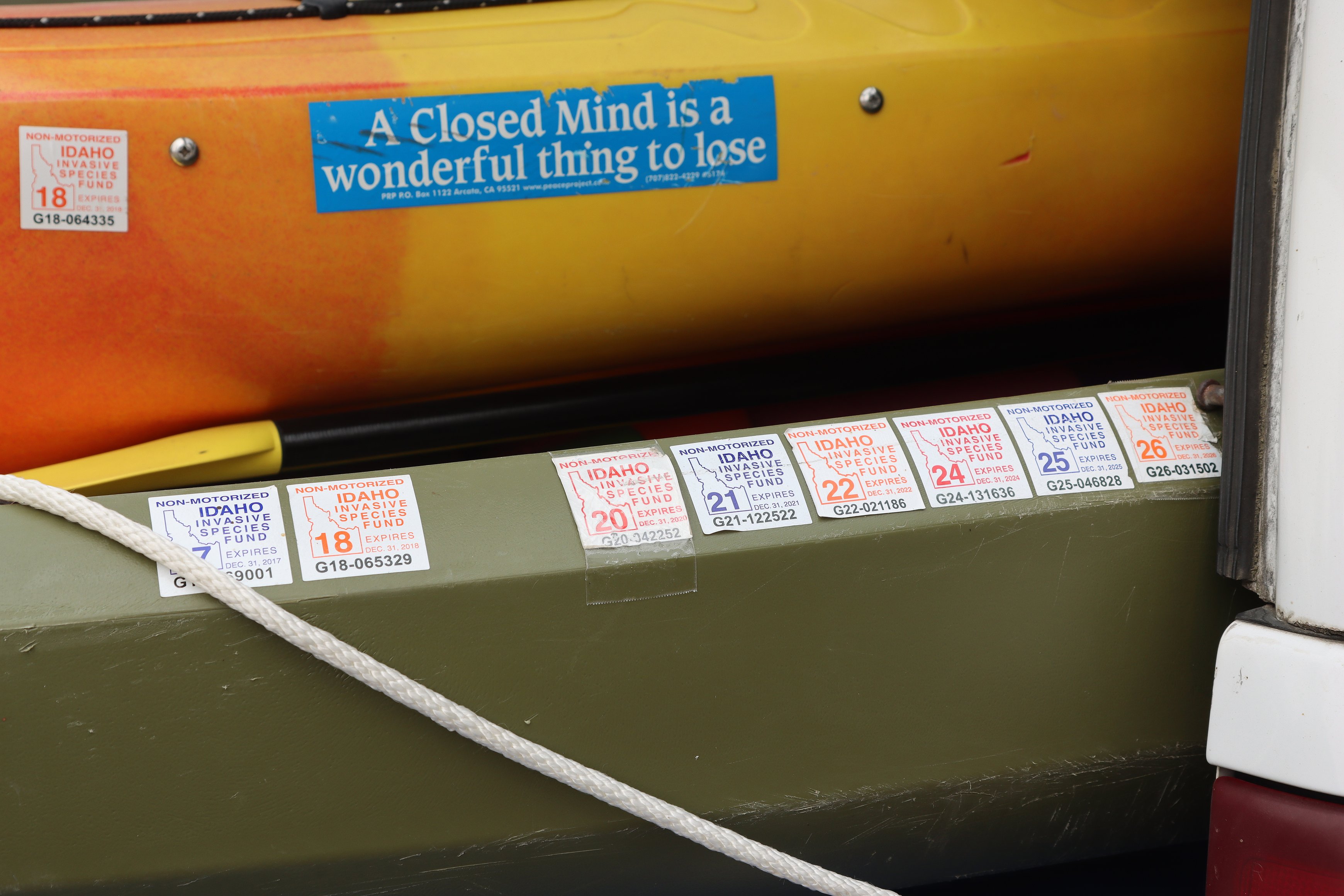 Canoes with plenty of registration stickers showing they are legally allowed in Idaho's waterbodies such as Hayden Lake.
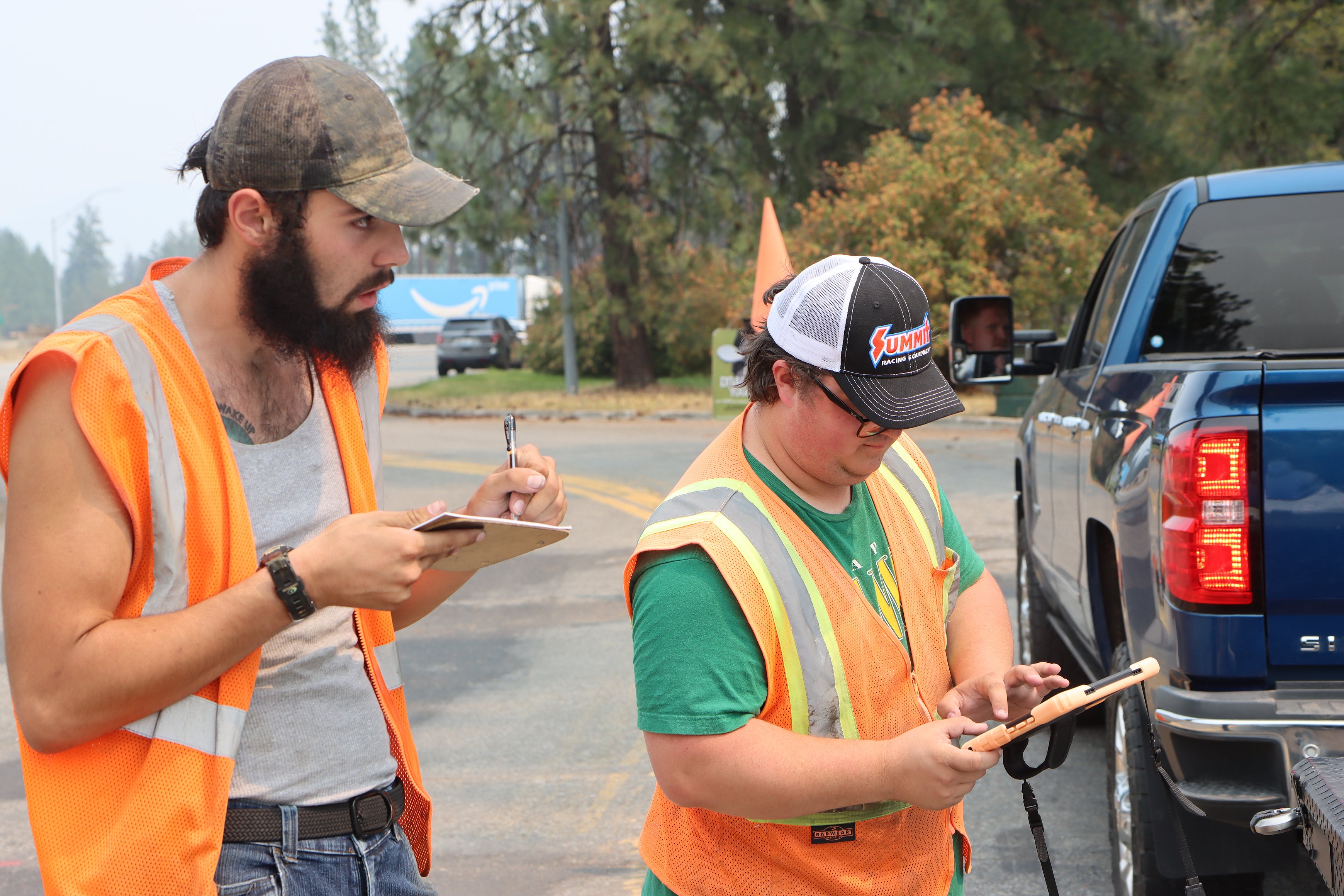 Watercraft inspectors Nathaniel Johnson (left) and James Carey (right) take notes during an inspection.
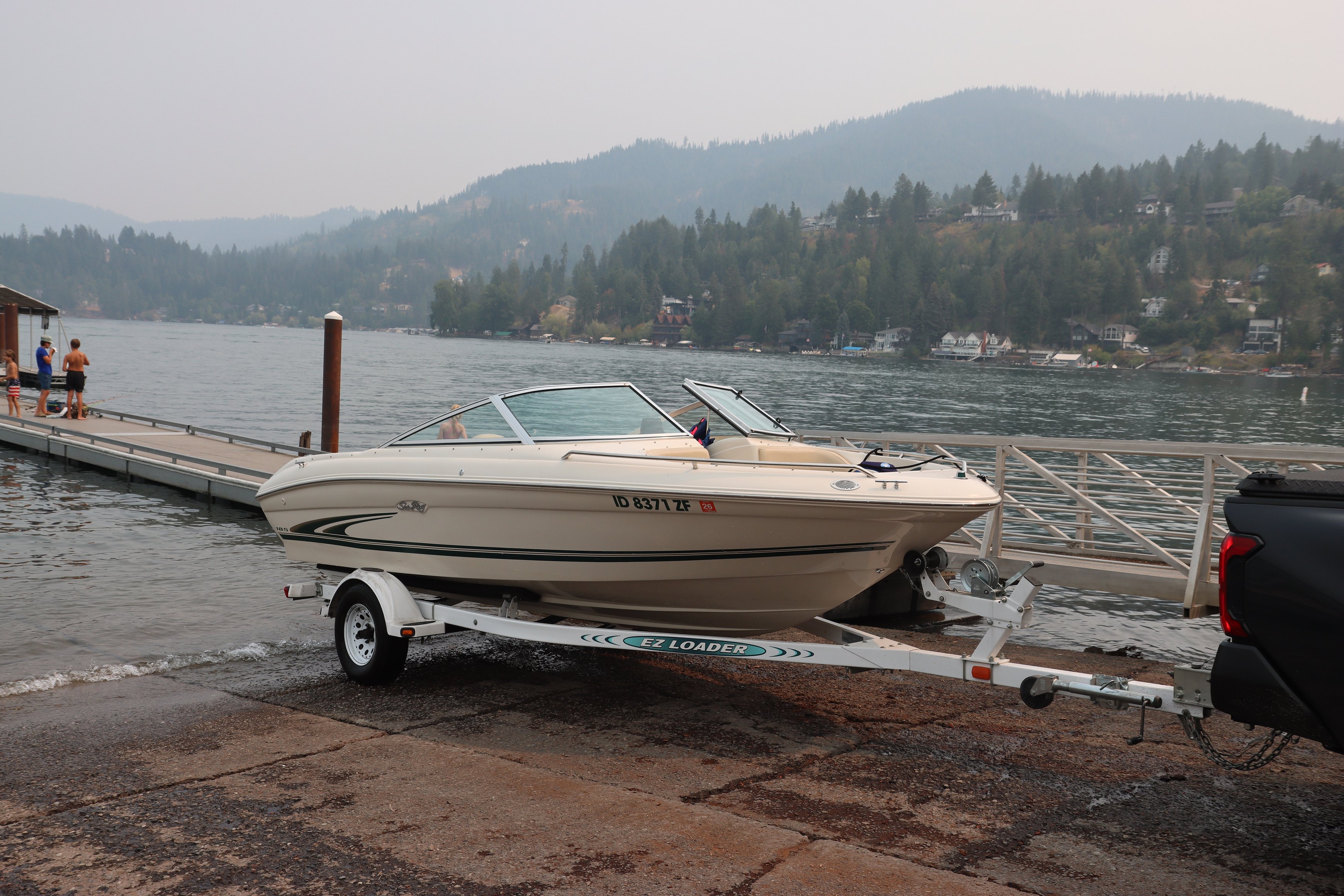 A lakegoer pulls their boat out of Hayden Lake's waters behind their truck. The new lake host program will educate the public on preventing the spread of invasive species to Hayden Lake.
ARTICLES BY DAVID BERNAUER

Kitty Caper: Store mascot missing from Duncan's Pet Shop
Oscar was last seen outside Government Way business last week

Penny's Pit reopening in Rathdrum
Restaurant had closed its doors in May