
OUR GEM: How understanding our past can help shape the future of Coeur d’Alene Lake
JASON PEPPIN, Panhandle Health District | Coeur d'Alene Press | UPDATED 1 day, 15 hours AGO
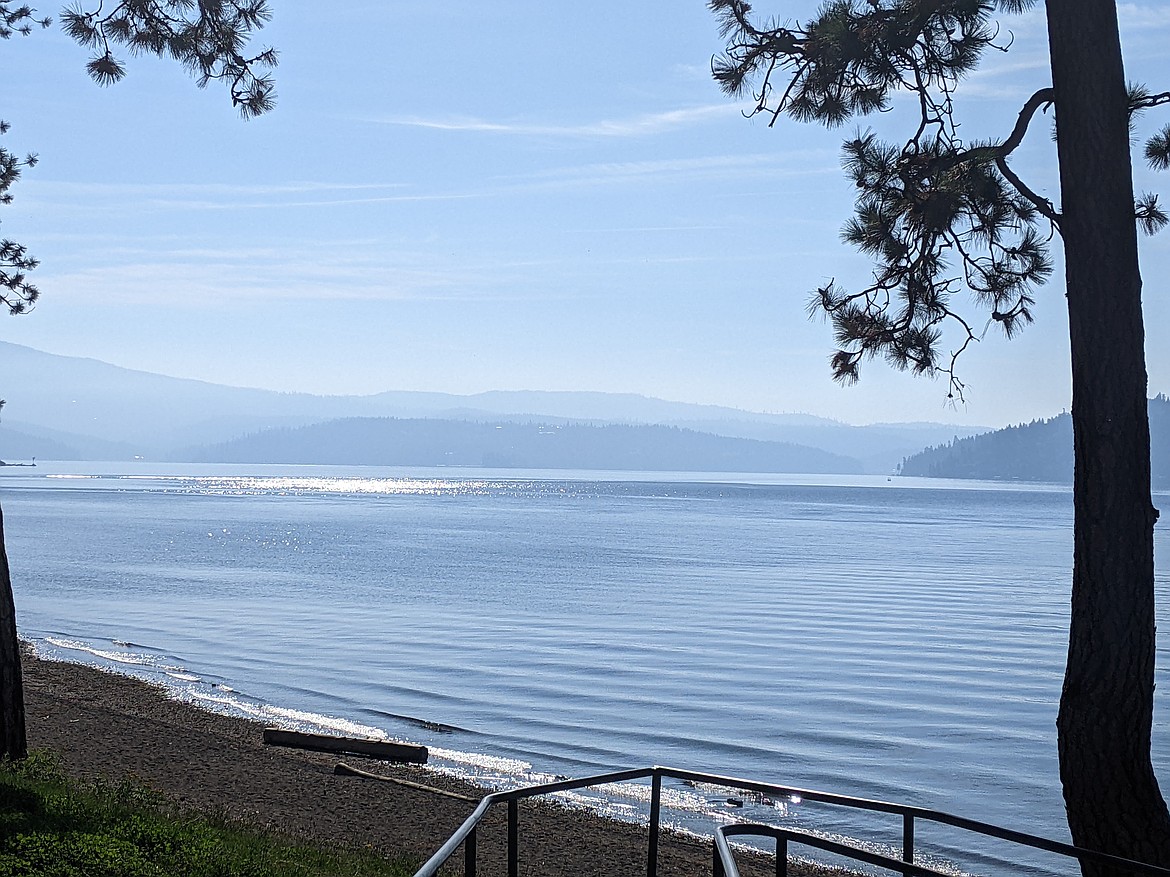
Photo courtesy of Our Gem.
Every generation leaves its mark on Coeur d'Alene Lake. Long before roads circled its shoreline, the lake sustained the Coeur d'Alene Tribe and shaped the culture and identity of the region. Later came mining, logging, railroads, recreation, tourism and lakeside communities, each contributing to the story of the Coeur d’Alene Basin we know today. Protecting this remarkable lake requires the same long-term perspective, recognizing the legacy of past decisions while working together to leave future generations with an even healthier lake.
One chapter of that history that often lies beneath the surface, both literally and figuratively, is the wastewater infrastructure serving many shoreline properties throughout the Coeur d'Alene Basin. Many of the challenges we face today are not the result of recent decisions, but the legacy of how the shoreline developed over time. Imagine trying to fit a home, driveway, garage, septic system, drinking well — while complying with required shoreline and septic system setbacks — on a steep and narrow waterfront lot created nearly a century ago intended to accommodate a small seasonal cabin. On many properties, there simply isn't enough suitable land available to fit all of these things and to effectively treat and disperse wastewater using conventional onsite treatment systems.
Modern treatment technologies have expanded the options available for many challenging sites, but they cannot eliminate the need for adequate space and suitable soils to safely complete the treatment process. While these technologies represent a significant improvement over the original systems, some legacy properties still lack the space needed to fully meet today's standards. In those situations, replacement systems are often significant and costly improvements and still limit future expansion or redevelopment of the property.
Understanding how these legacy properties were developed is only part of the story. Equally important is understanding where improvements can provide the greatest long-term benefit. As science has advanced, so has our understanding of how nutrients move through the Coeur d'Alene Lake watershed and how different sources contribute to overall water quality.
Recognizing the complexity of the lake, the National Academies of Sciences, Engineering Medicine (NAS) published an independent evaluation of Coeur d'Alene Lake in 2022. The study emphasized the importance of continuing to better understand nutrient sources throughout the watershed and prioritizing actions that will provide the greatest long-term benefit to lake health.
As our understanding of Coeur d'Alene Lake continues to evolve through extensive research conducted by the Coeur d'Alene Tribe, the State of Idaho and many other partners, so too do the opportunities to identify and prioritize projects that provide the greatest long-term benefit. Improving antiquated wastewater infrastructure may not be the right solution everywhere, but where it can meaningfully reduce nutrient inputs while improving long-term reliability for property owners, it deserves consideration alongside other watershed improvement strategies. The wastewater challenges around Coeur d'Alene Lake weren't created overnight, they won't be solved overnight. Understanding how we got here helps us make better decisions for the future.
For many shoreline properties, meaningful improvements extend beyond the boundaries of a single parcel. Some of the greatest opportunities come from neighbors working together, communities planning for the future, public agencies partnering with property owners. These partnerships can help to identify solutions that improve water quality while creating long-term opportunities for redevelopment. The goal isn't simply to replace aging wastewater systems. It’s to learn from the past, take advantage of modern technology, work together through public/private partnerships to identify practical solutions that protect water quality while recognizing the unique history and constraints of shoreline development.
Every generation inherits both the benefits of those who came before and the responsibility of preparing Coeur d'Alene Lake for those who come after. By building on history, applying what we’ve learned working together, we can continue writing the next chapter in the lake's story, one that benefits both the watershed and the people who call it home.
The wastewater challenges around Coeur d'Alene Lake weren't created overnight, they won't be solved overnight. Many shoreline homes were built decades before modern subdivision regulations, building codes, wastewater standards. Those legacy development patterns can leave today's property owners with very limited space for replacement systems.
Some of the most promising long-term opportunities involve neighbors, utilities, agencies, scientists, communities working together to develop solutions that individual properties could never accomplish alone. Protecting Coeur d'Alene Lake isn't simply about replacing aging wastewater systems. It’s about understanding our history, using good science to guide priorities, working together to create practical solutions that benefit both water quality and the people who call the Coeur d’Alene Basin home.
For more information about the Our Gem Collaborative visit: https://iwrri.uidaho.edu/outreach-our-gem/.