
Where everybody knows everybody: Charlo's enduring charm
JACK UNDERHILL | Hagadone News Network | UPDATED 2 months, 2 weeks AGO
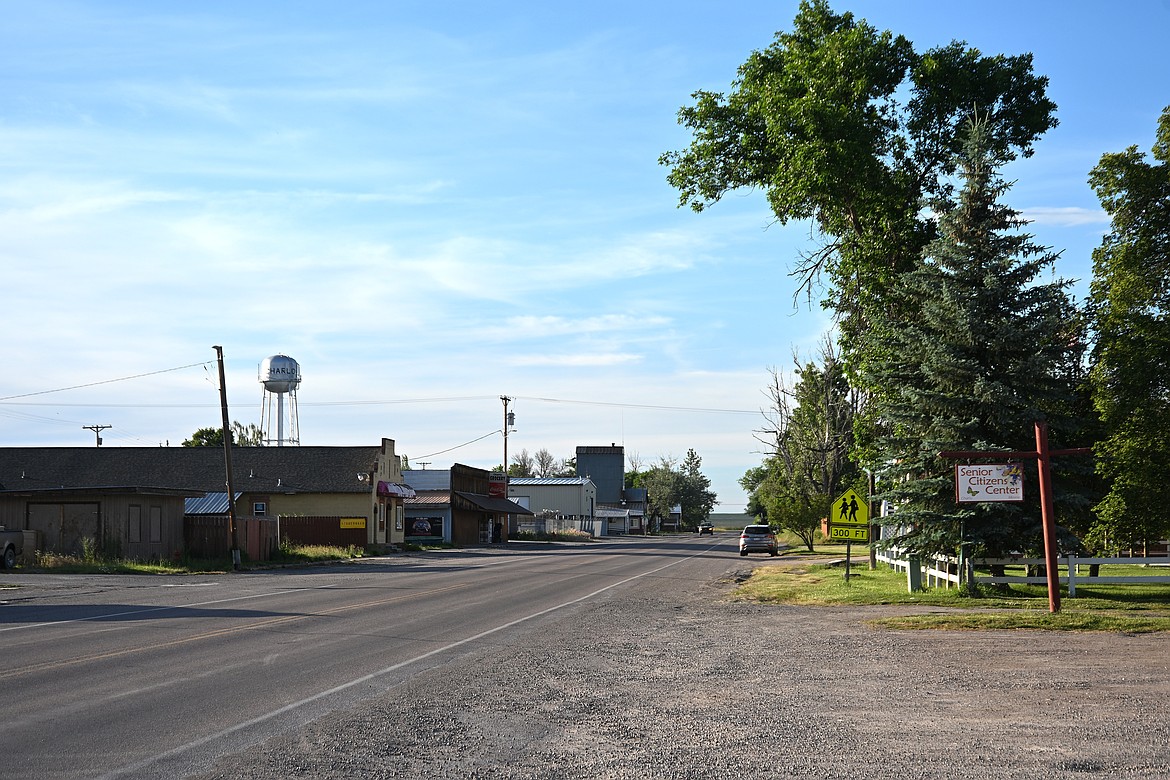
Main Street in Charlo. (Jack Underhill/Daily Inter Lake)
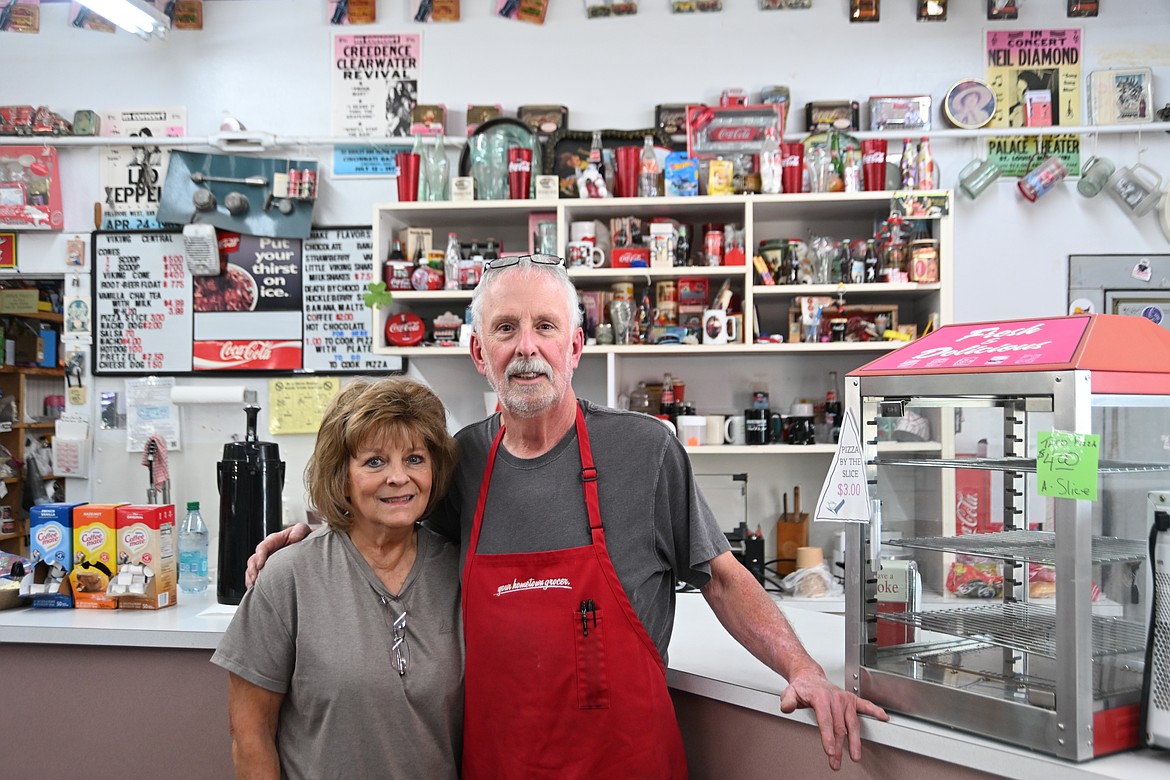
Rick and Linda Marcure stand in front of the ice cream bar in Charlo Grocery on June 24, 2026. (Jack Underhill/Daily Inter Lake)
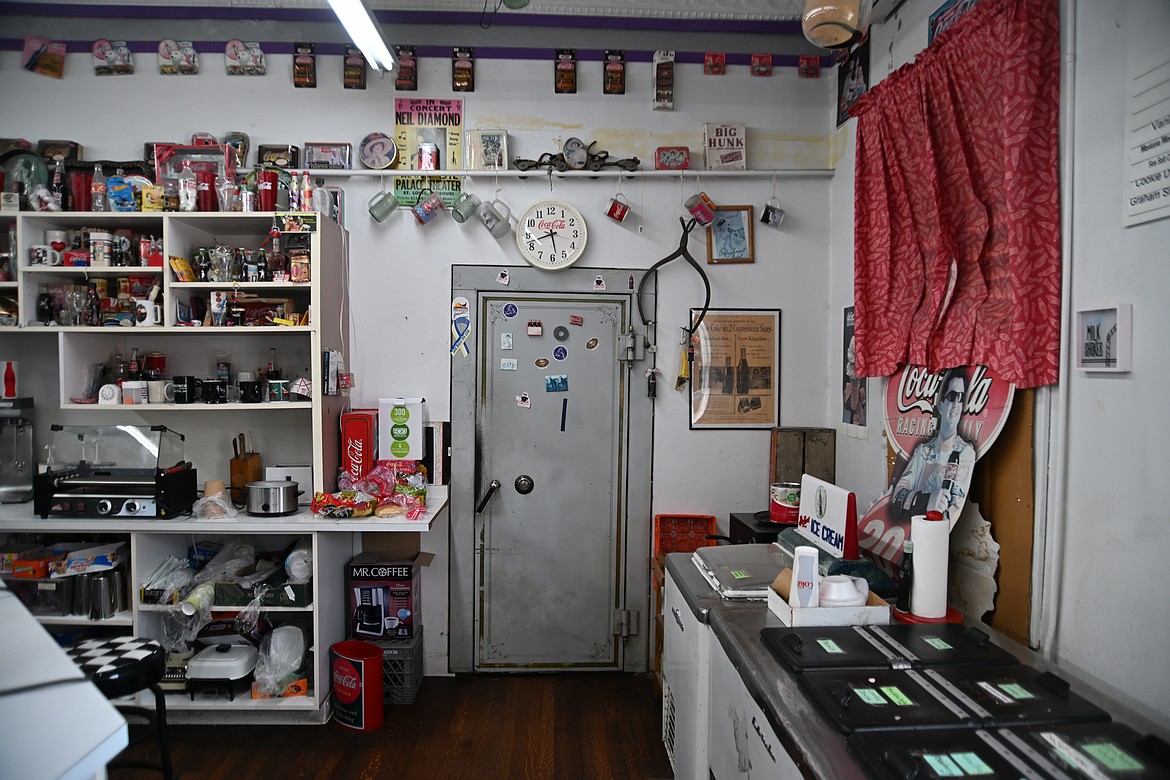
The vault door from an old bank in Charlo Grocery on June 24, 2026. (Jack Underhill/Daily Inter Lake)
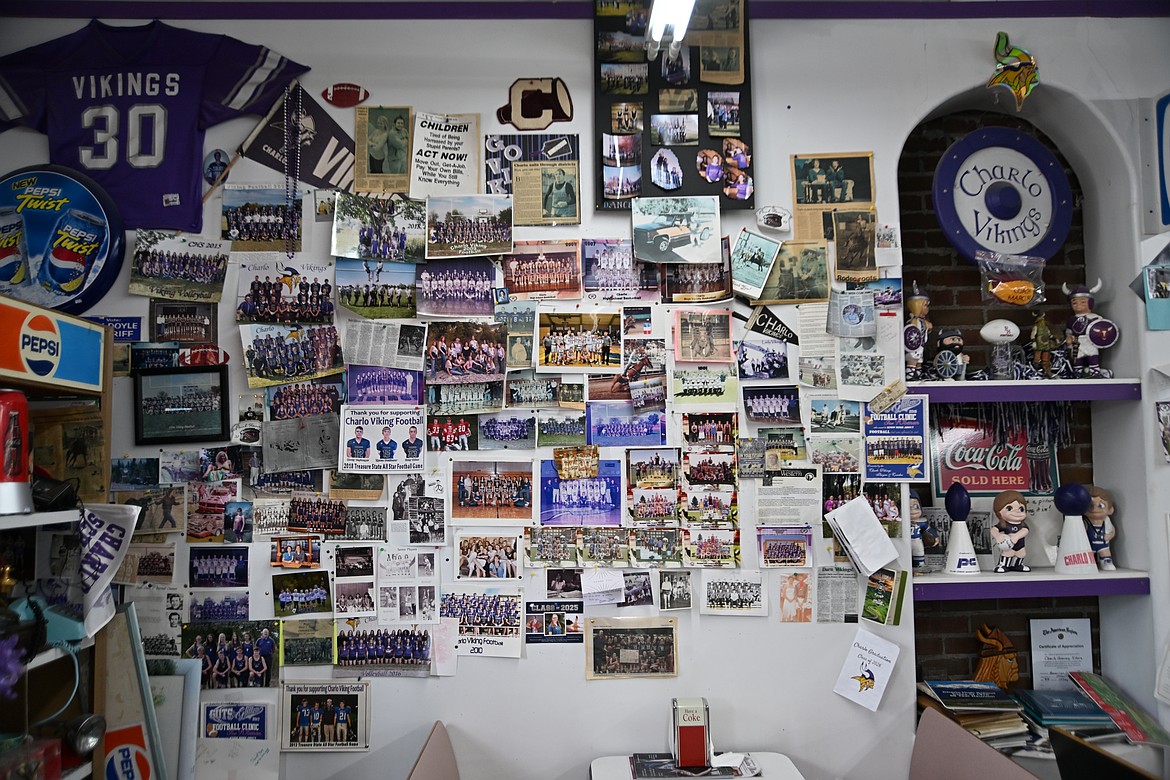
Portraits of past sports teams for the Charlo School District cover a wall in Charlo Grocery on June 24, 2026. (Jack Underhill/Daily Inter Lake)
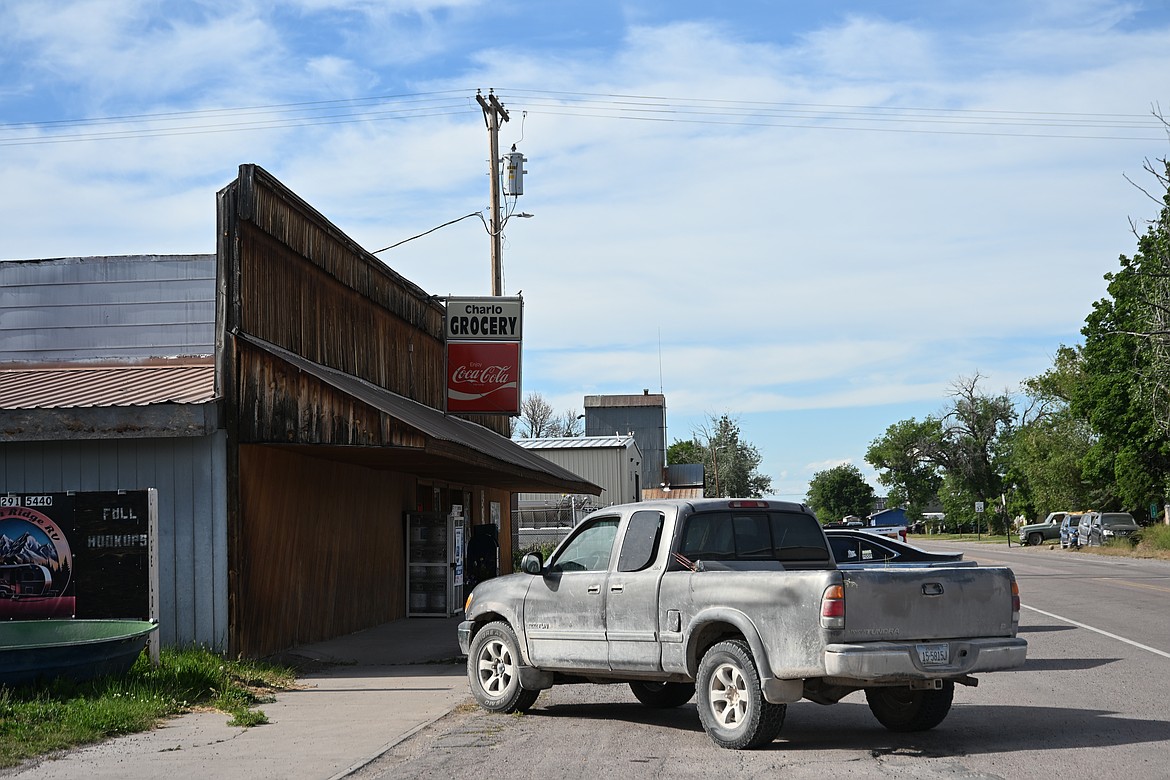
View of Charlo Grocery from Main Street on June 24, 2026. (Jack Underhill/Daily Inter Lake)
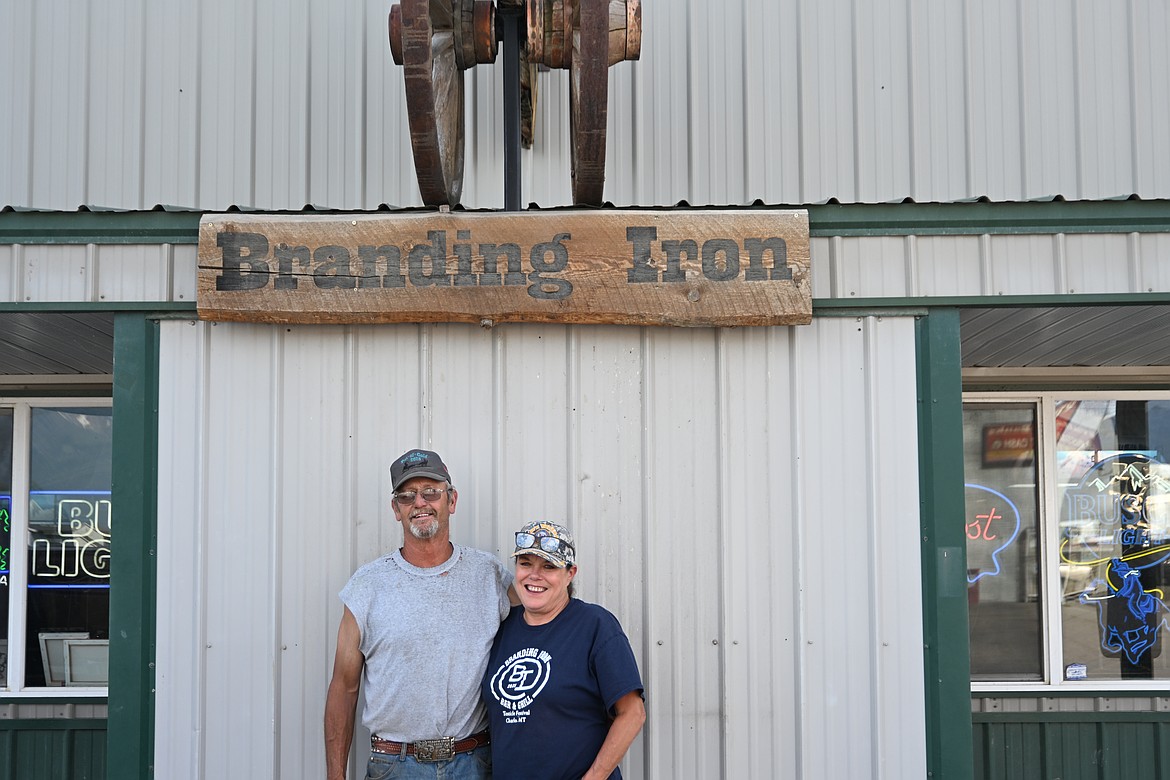
Richard and Anita Esterby stand in front of their bar, Branding Iron Bar & Grill on June 24, 2026. (Jack Underhill/Daily Inter Lake)
Richard and Anita Esterby stand in front of their bar, Branding Iron Bar & Grill on June 24, 2026. (Jack Underhill/Daily Inter Lake)
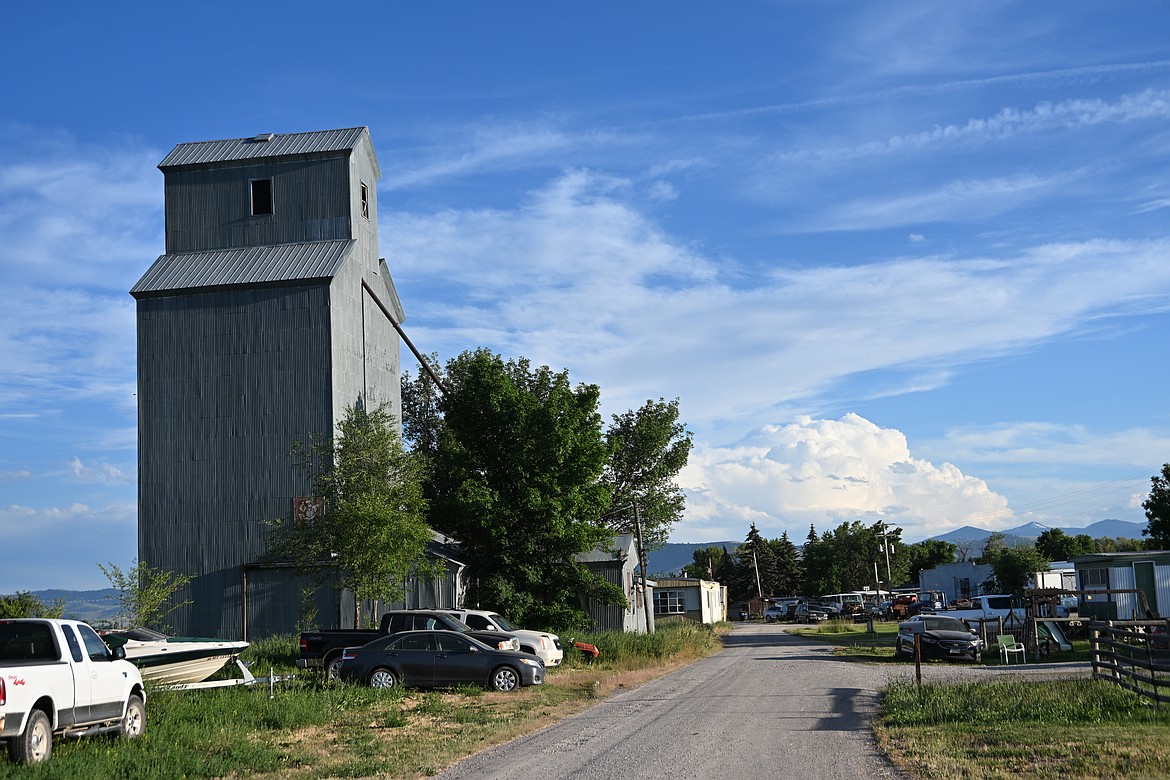
Old grain elevator in Charlo on June 24, 2026. (Jack Underhill/Daily Inter Lake)
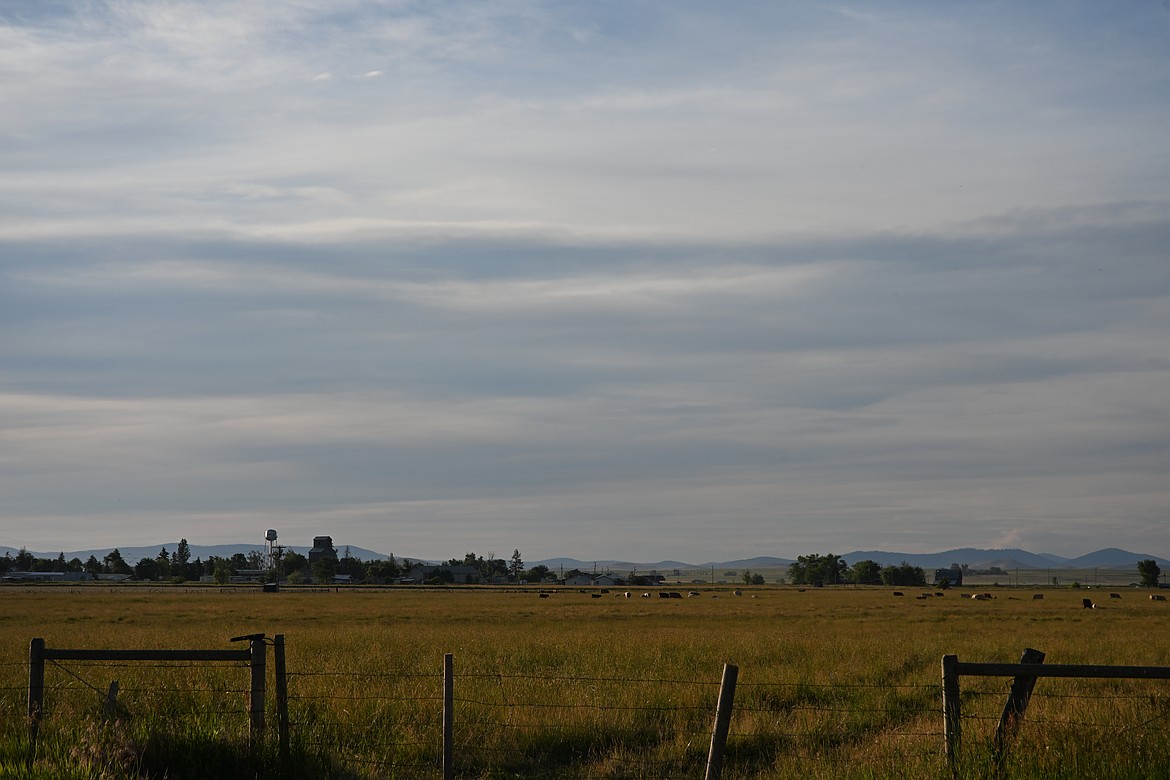
The view from Charlo on June 24, 2026. (Jack Underhill/Daily Inter Lake)
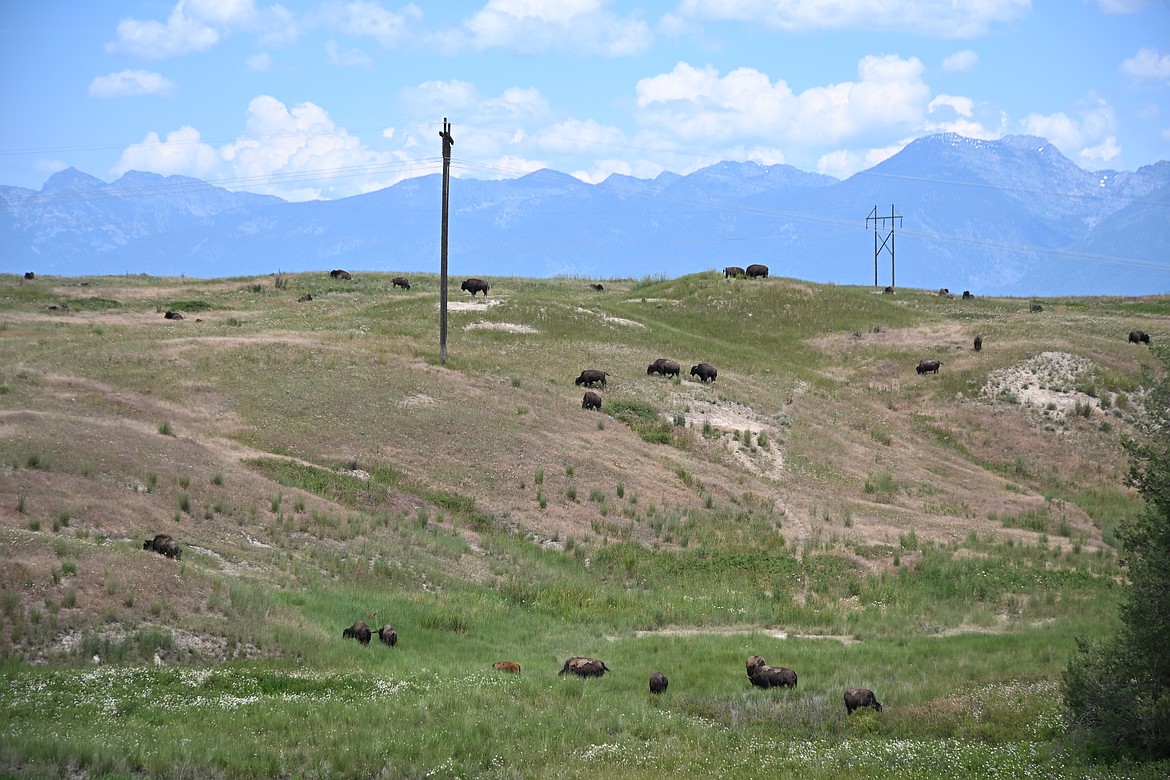
Bison graze at the CSKT Bison Range on June 25, 2026. (Jack Underhill/Daily Inter Lake)
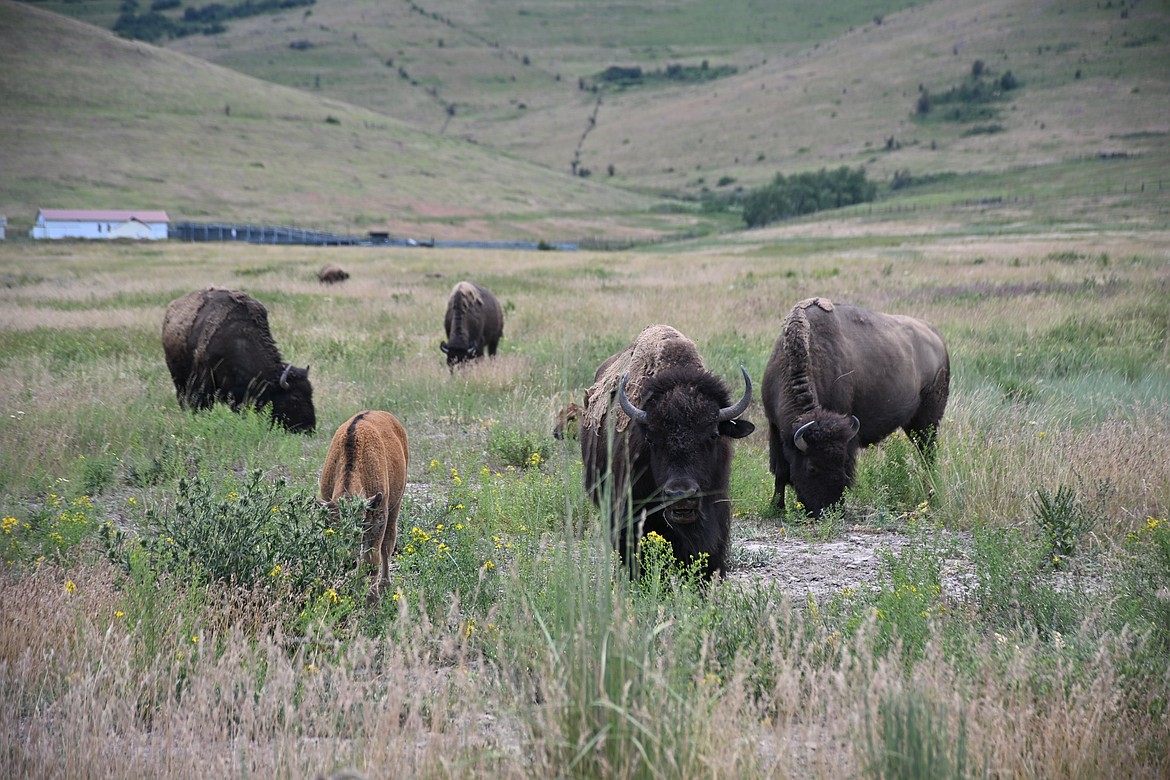
Bison graze at the CSKT Bison Range on June 25, 2025. (Jack Underhill/Daily Inter Lake)
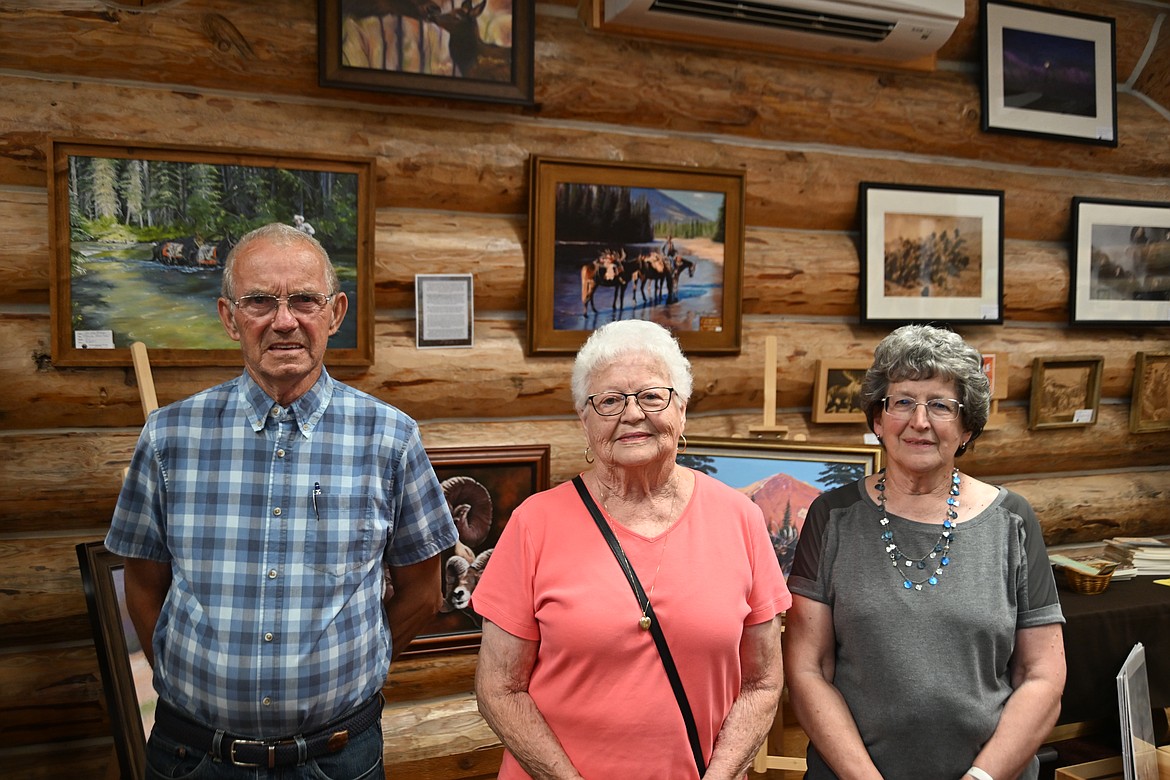
Curt Coulter, Dolores Swalling and Bernice Hawkaluk stand inside the Ninepipes Museum of Early Montana on June 24, 2026. (Jack Underhill/Daily Inter Lake)
KALISPELL GOVERNMENT, HOUSING AND TRANSPORTATION REPORTER Jack Underhill covers Kalispell city government, housing and transportation for the Daily Inter Lake. His reporting focuses on how local policy decisions affect residents and the rapidly growing Flathead Valley. Underhill has reported on housing challenges, infrastructure issues and regional service providers across Montana. His work also includes accountability reporting on complex community issues and public institutions. Originally from Massachusetts, Underhill graduated from the University of Massachusetts, Amherst with a degree in Journalism before joining the Inter Lake. In his free time, Underhill enjoys mountain biking around the valley, skiing up on Big Mountain or exploring Glacier National Park. IMPACT: Jack’s work helps residents understand how growth, housing and infrastructure decisions affect the future of their community. | August 9, 2026 12:00 AM
It only took seconds to drive through the entirety of Charlo's Main Street. From the welcome sign featuring the school's mascot — a blond, scruffy viking sporting a horned helmet — the town’s edge was already visible, giving way to rolling fields.
Nestled beneath the towering Mission Mountains, Charlo carries a quiet, unhurried pace. The unincorporated community, home to just a few hundred residents, is the kind of place where neighbors know one another by name and conversations linger a little longer.
Originally called Big Flat, the town began as a small settlement along the Northern Pacific Railroad corridor between Ronan and Dixon in the early 20th century. After undergoing a few name changes — Charlotte, Tabor — the town was renamed Charlo in 1918 following an effort by tribal members to honor the influential Salish chief, according to the Montana State Library.
Chief Charlo spent decades resisting an 1871 federal order forcing the Salish from their homeland in the Bitterroot Valley to the Flathead Indian Reservation — where the town resides.
Even after Chief Charlo's signature was forged on a removal agreement that was later ratified by Congress, many Salish remained in the Bitterroot Valley until 1891, when they were forcibly removed despite a prior treaty that had guaranteed the valley as their reservation.
Chief Charlo died in 1910, the same year the reservation was opened to white settlers.
THE DRIVE south to Charlo is serene. Along U.S. 93 on a warm June morning, the jagged peaks of the Mission Range erupt from the ranches and bright yellow canola fields.
Just off Montana 212, which doubles as the town's Main Street, the Charlo Grocery carries a little bit of everything: produce, meat, snacks, tools, and fishing bait and tackle for the many waterways that lure in anglers, including the nearby Ninepipe Reservoir.
A handful of flyers are stuck to a cork board by the entrance: a celebration of life, a yard sale (happening rain or shine), and a honeybee removal service.
Rick Marcure seems the type to drop what he's doing for anyone eager to hear the story of the grocery store he runs with his wife.
The store was once several neighboring buildings that were later merged into one. Marcure, 72, has filled it with pieces of Charlo's past, including advertisements from businesses that once occupied the building.
The town's first bank opened there in 1919. Today, all that remains is the old vault door, now repurposed as a storage closet behind an ice cream bar.
Photos of sports teams from the local K-12 school stretching back generations cover the ice cream parlor's back wall. Marcure smiled as he pointed out his son in a football team portrait. A few memorials also occupied the wall, one honoring a disabled student who spent almost every day hanging out in one of the parlor booths.
Also scattered throughout is Marcure's extensive collection of Coca-Cola memorabilia. From the Coke machines salvaged from shuttered businesses around the valley to the clock hanging above the old bank vault, to even the trash cans and window curtains, the brand's signature red and white is everywhere.
"I'm a hoarder," Marcure laughed.
Before long, the after-work rush started trickling in. People came for groceries but often hung around a little longer to catch up with Marcure or his wife Linda before carrying on with their day.
In a way only a small town can sustain, Marcure still lets customers charge groceries and pay off the balance each month.
Traditions like that may be easy to preserve given the grocery store has changed hands only three times in its history. Before Marcure's family purchased it, the Swallings operated the store for decades.
Dolores Swalling, 86, practically grew up in the store her parents bought in 1940. Her father's family settled in Charlo in 1917, and both her father and uncle graduated with Charlo High School's second graduating class in 1923.
Sitting around a long, glossy wood table in the Ninepipes Museum of Early Montana, Swalling and two other old-timers traded memories of a version of Charlo long passed.
The setting feels fitting. The museum's home-made feel owes to the founder's close relationship with local tribes that has led to an impressive collection of Native American artifacts paired with a detailed audio tour explaining their history.
Many more businesses once called the town home than the grocery store, gas station, bar and a couple of other companies that remain today. The town once boasted a movie theater, churches, an apiary, pool hall, trading post and even a hospital. The last person born there is now 83 years old, Bernice Hawkaluk said.
Hawkaluk has known Swalling since arriving in Charlo at five years old in 1955. She still remembers seeing Swalling tend to the grocery store after school.
They tried to recall the businesses that once lined Charlo's streets and the people who owned them, rattling off names as they pieced together the history of each building.
The bustle of commerce dwindled in the 1950s, when a highway was paved through the area, making it easier for residents to shop in Ronan.
"That's when we saw some businesses start to leave," Swalling said.
Back when the railroad still ran through town, residents collected coal from train cars to heat their homes, while farmers loaded sugar beets — once a staple crop in the area — onto freight cars bound for the market, 82-year-old Curt Coulter recalled.
Like many residents, Coulter worked on the railroad.
“Everybody that got a job with the railroad was a hard worker, and we were all raised on a ranch or a farm. And we didn’t know how to slough off,” Coulter said.
Though trains no longer pass through town, he said many residents still make their living on the railroad. Most everyone in town also operated dairy farms, supported by a pair of grain elevators that supplied feed.
“When I was growing up, those two elevators were going nonstop all the time,” Coulter said.
A local creamery once produced butter and cheese. Swalling's father worked there until it burned down in the late 1930s, while Coulter's father made his living as a cheesemaker. Every dairy farm in town has since closed down.
"They sold all their cattle down in the Bitterroot, and that was it. They couldn't afford to haul the milk," Coulter said.
Even as businesses have disappeared while seemingly more and more residents move in, Charlo's longtime inhabitants say the town's character remains relatively unchanged — a close-knit agricultural community where people still have each other's backs.
The small-town camaraderie can be found during the Charlo-Moiese Volunteer Fire Department fundraisers, where upwards of $40,000 is raised each year through community donations.
That fellowship is partly why Richard Esterby has stuck around Charlo for most of his life.
“Everybody knows everybody, everybody gets along," Esterby said of his hometown. Sporting a dirt-stained sleeveless tee and massive belt buckle won in a cattle-roping competition, he looked every bit the rancher.
“I lived in Bozeman briefly and Missoula briefly, and I hated it. It’s just too many people for me," he said.
Esterby, 64, spent 34 years with the now-defunct Montana Rail Link, much of that time as a bridge foreman. On a warm June evening, he had just finished hauling hay on his ranch before stopping by the local bar he owns with his wife, Anita.
AS THE only watering hole in town, the Branding Iron Bar & Grill serves as a community gathering place, hosting everything from live music to pool tournaments to the yearly Testicle Festival, a weekend-long event offering both oysters on the shell and Rocky Mountain oysters.
Stopping in on a weekday evening, a cold drink becomes a reprieve from the relentless June sun. Walking in the door, the smell of fried food lingers. Each patron appeared to know each other well, to the point where an unfamiliar face might seemingly prompt the jukebox to scratch to a halt.
About a dozen people were scattered throughout the bar. Most occupied stools along the wraparound counter, while others gathered at picnic tables outside or played foosball. In keeping with the bar's name, cattle brands etched into wooden planks hung throughout the bar.
Richard pointed to his own brand — a quarter circle framing a backward K and E — burned into the very table where patrons set their drinks.
Any nerves a newcomer may have would quickly fade after meeting Anita, who, as Richard says, has never met a stranger. Though she usually knows just about everyone who walks in through the bar doors, she also sees many new faces that come in from the nearby Confederated Salish and Kootenai Tribes Bison Range.
"I enjoy meeting them too," she said.
Raised in Columbia Falls, Anita arrived in Charlo in 2017 and bought the bar from her sister a few years later. After bouncing from city to city while serving in the Navy, settling in a small town felt like a breath of fresh air.
Mckenna Feltz, Anita's daughter, speaks to patrons with the casual, unceremonious familiarity reserved for old friends and relatives. As they filtered out the door, she sent each off with a hug.
As the sun lowered over the horizon, the Mission Mountains erupted in a blaze of orange and red. Richard was spot on when he said they were the prettiest sight around.
The symphony of chirping birds had become background noise. Their presence was constant throughout the day, likely thanks to the nearby Ninepipe National Wildlife Refuge and its network of waterfowl production areas.
An eight-minute drive from Main Street, Ninepipes Lodge sits just off U.S. 93. The hotel provides a cozy, calming retreat offering sweeping views of the mountains and sunsets. The next morning, swallows dart through the air while turtles duke it out for space on a log in the pond below the lodge's porch, where a hearty continental breakfast is served each morning.
What brings most out-of-towners to the hotel is the CSKT Bison Range.
The 18,000-acre range features a winding dirt road that dips through and over rolling hills. A shape resembling a boulder protrudes from the golden hillside. Only when it moves does it reveal itself as a bison, its sheer size striking even from a distance.
More and more bison emerge from the brush, their massive muscles rippling as they try to shake off persistent flies. Floral scents fill the air from the blooms of wildflowers carpeting the hillsides.
The experience was a perfect end to two days spent wandering Charlo.
Reporter Jack Underhill can be reached at 406-758-4407 or [email protected]. If you value local journalism, pledge your support at dailyinterlake.com/support.
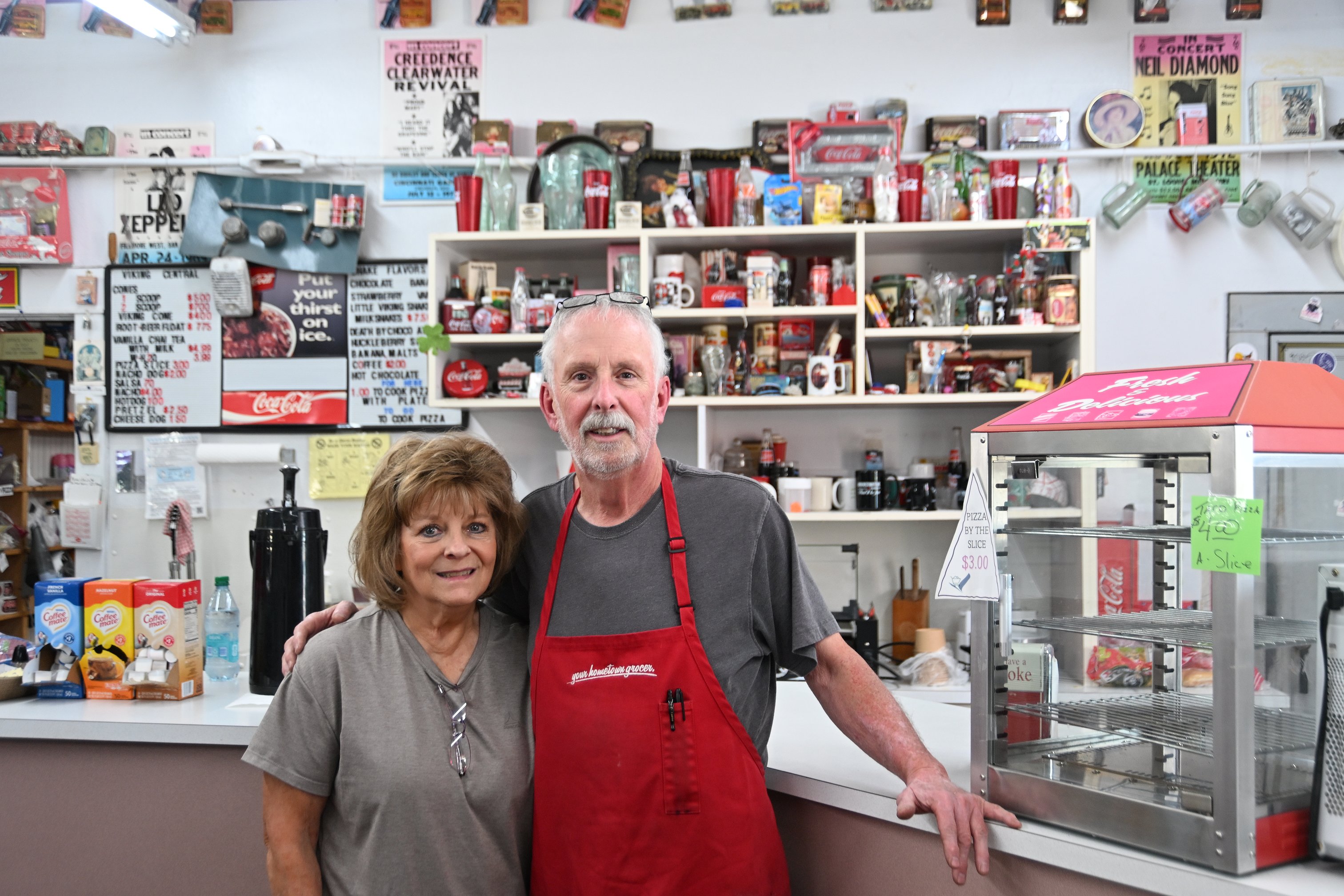 Rick and Linda Marcure stand in front of the ice cream bar in Charlo Grocery on June 24, 2026. (Jack Underhill/Daily Inter Lake)
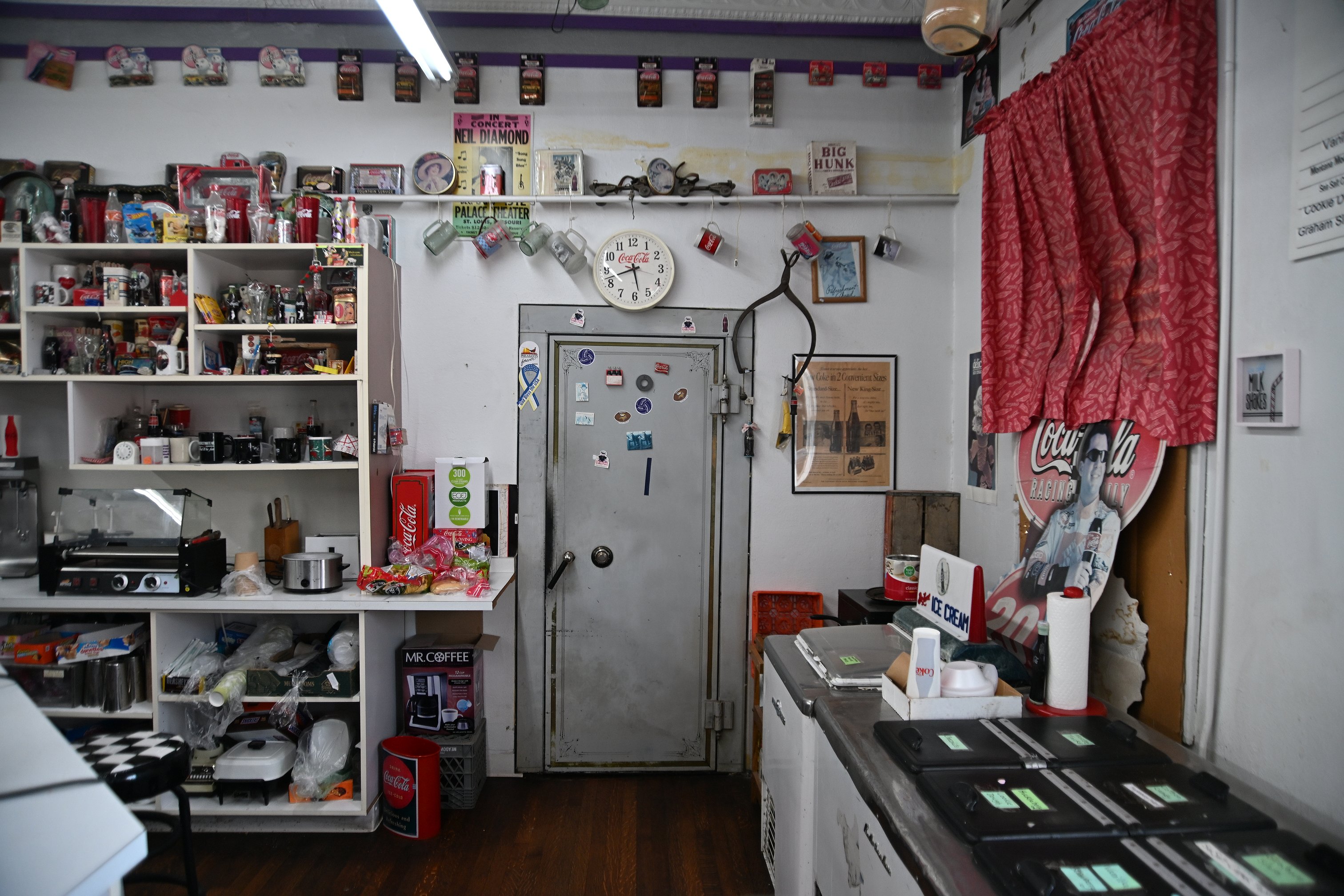 The vault door from an old bank in Charlo Grocery on June 24, 2026. (Jack Underhill/Daily Inter Lake)
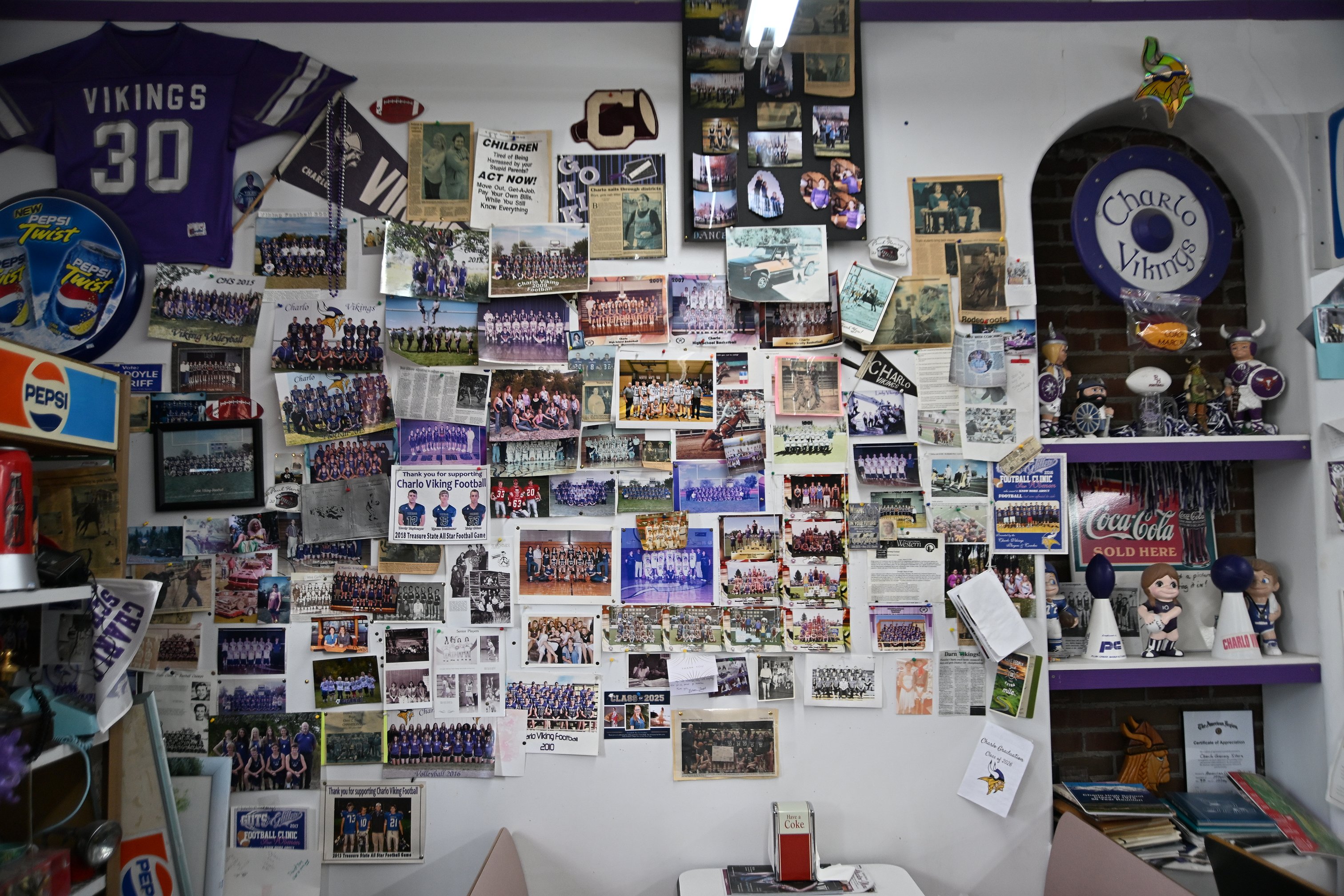 Portraits of past sports teams for the Charlo School District cover a wall in Charlo Grocery on June 24, 2026. (Jack Underhill/Daily Inter Lake)
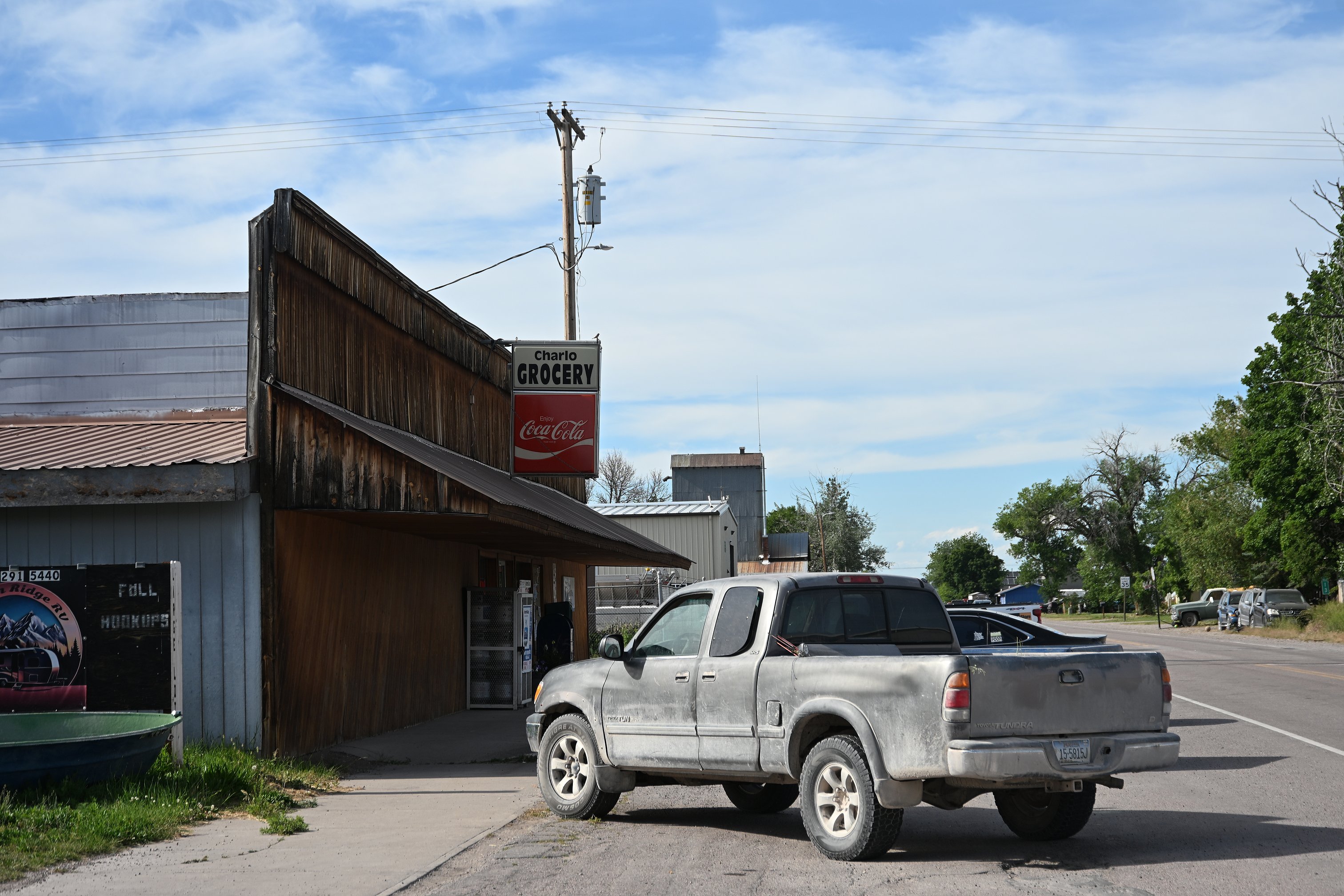 View of Charlo Grocery from Main Street on June 24, 2026. (Jack Underhill/Daily Inter Lake)
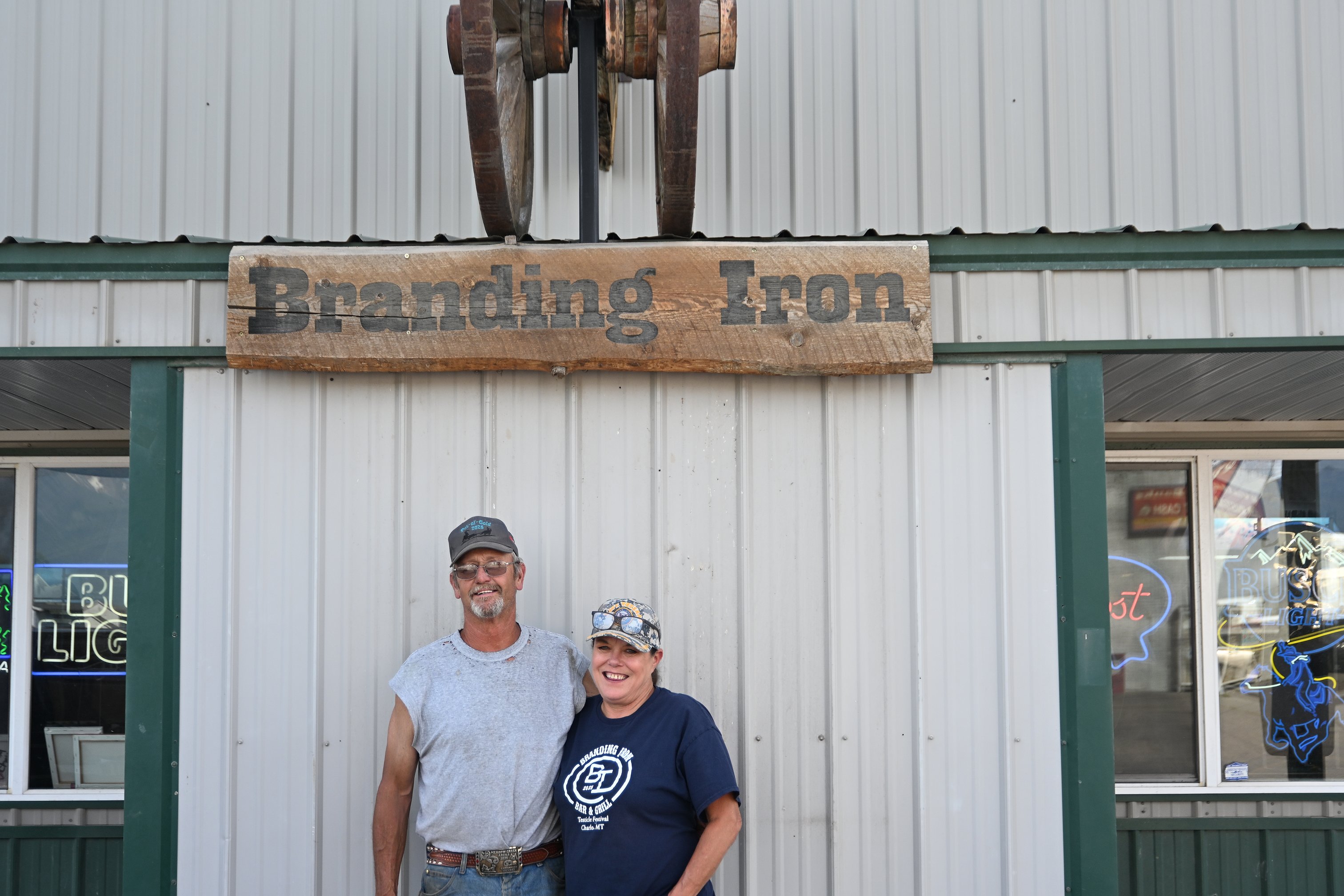 Richard and Anita Esterby stand in front of their bar, Branding Iron Bar & Grill on June 24, 2026. (Jack Underhill/Daily Inter Lake)
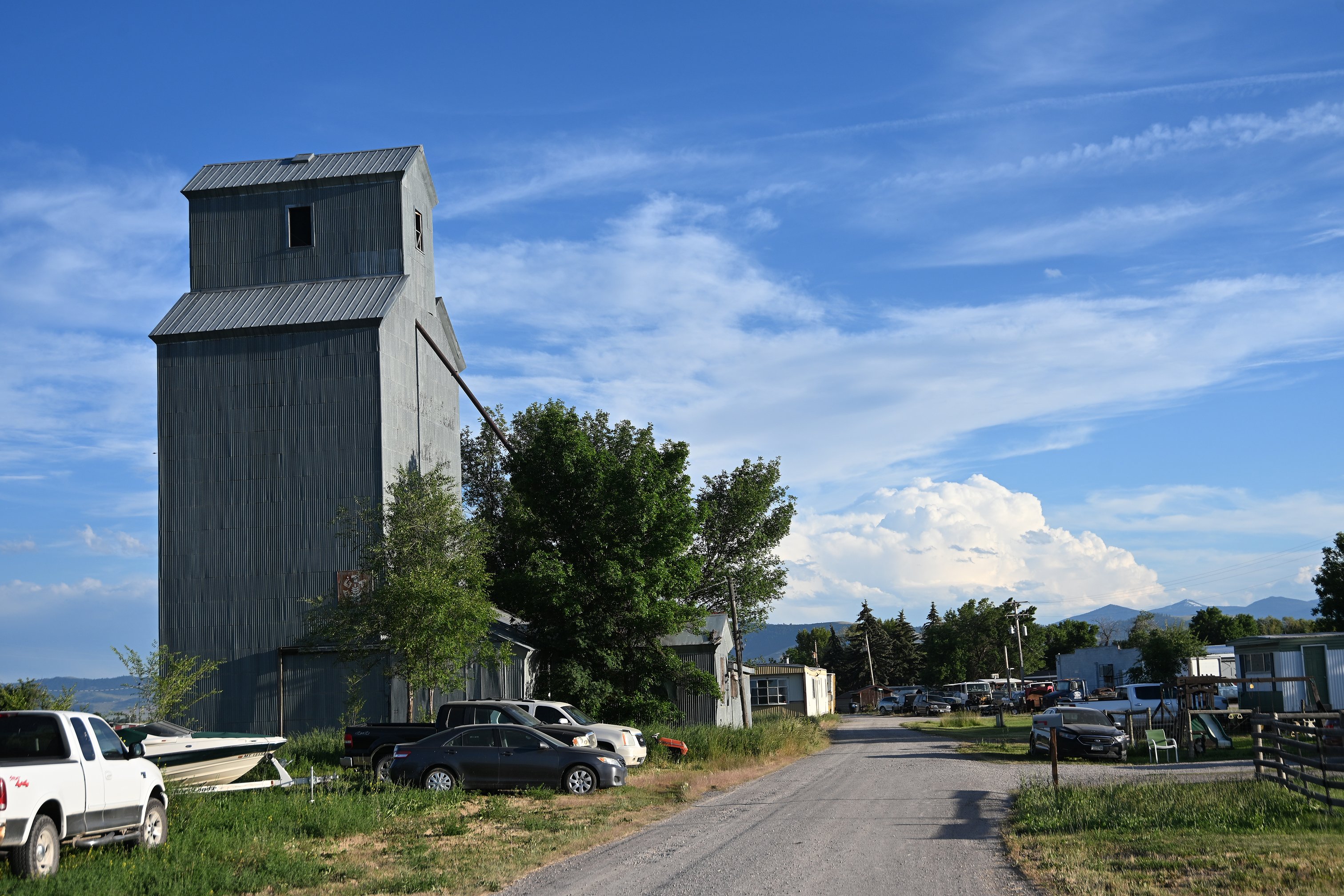 Old grain elevator in Charlo on June 24, 2026. (Jack Underhill/Daily Inter Lake)
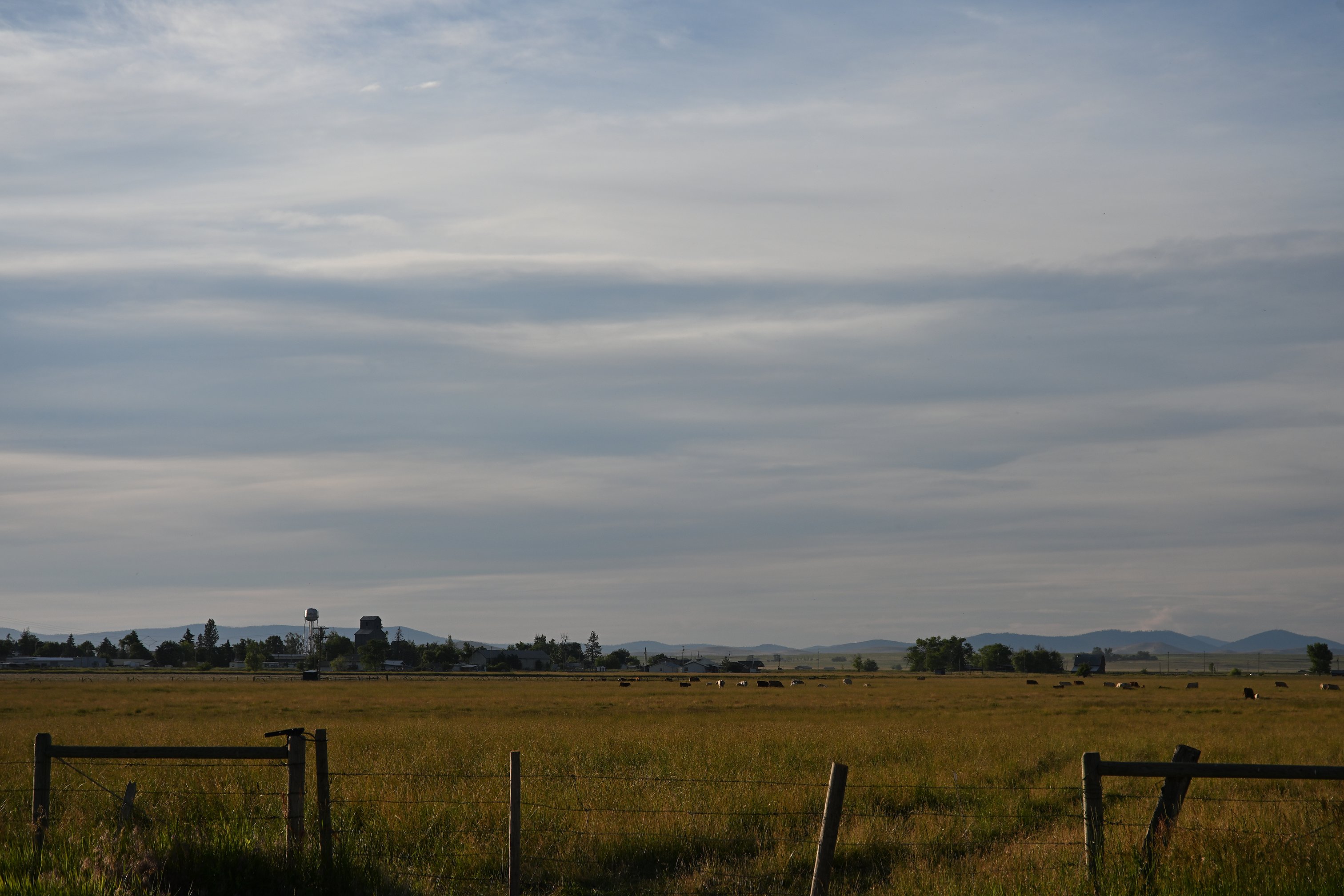 The view from Charlo on June 24, 2026. (Jack Underhill/Daily Inter Lake)
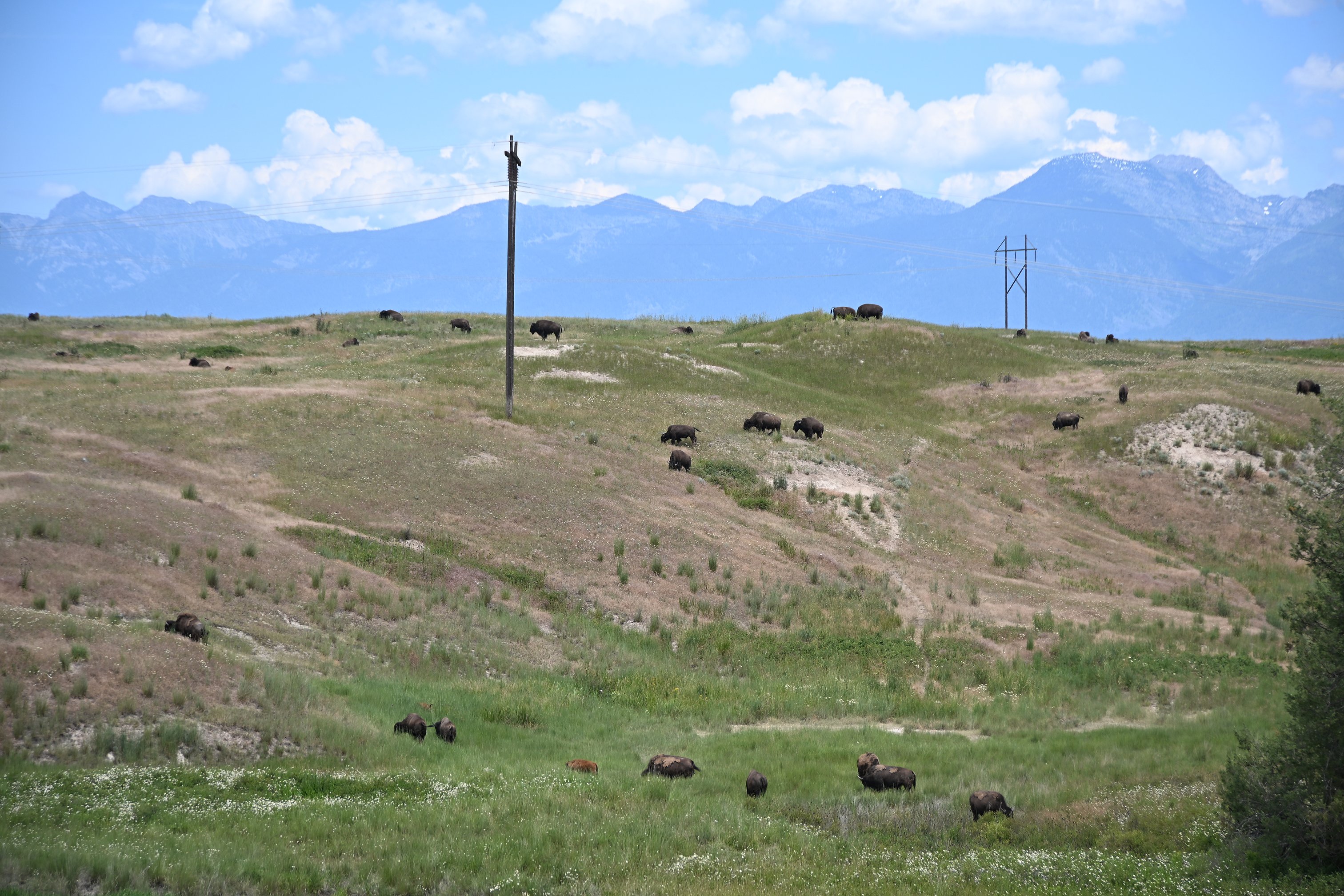 Bison graze at the CSKT Bison Range on June 25, 2026. (Jack Underhill/Daily Inter Lake)
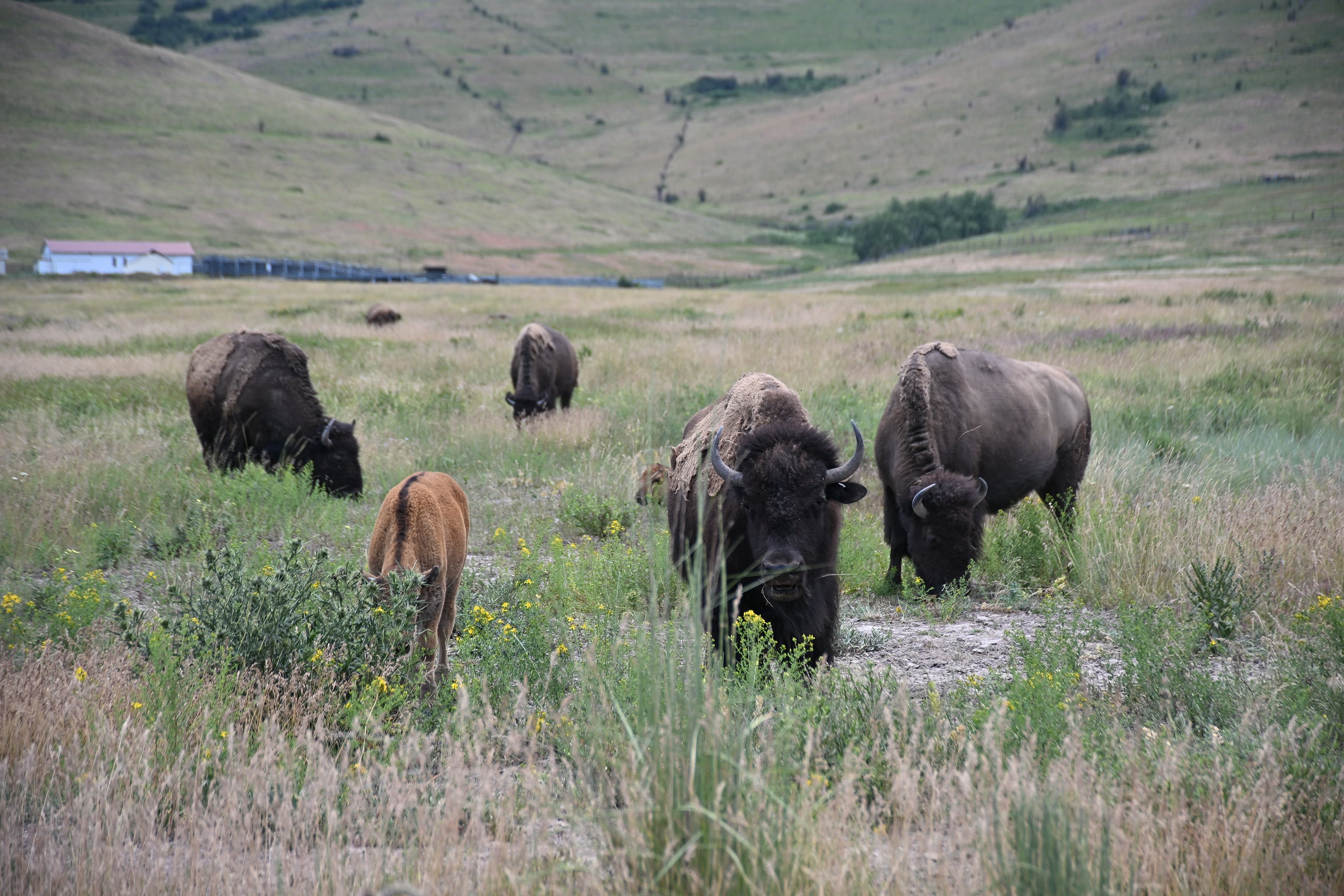 Bison graze at the CSKT Bison Range on June 25, 2025. (Jack Underhill/Daily Inter Lake)
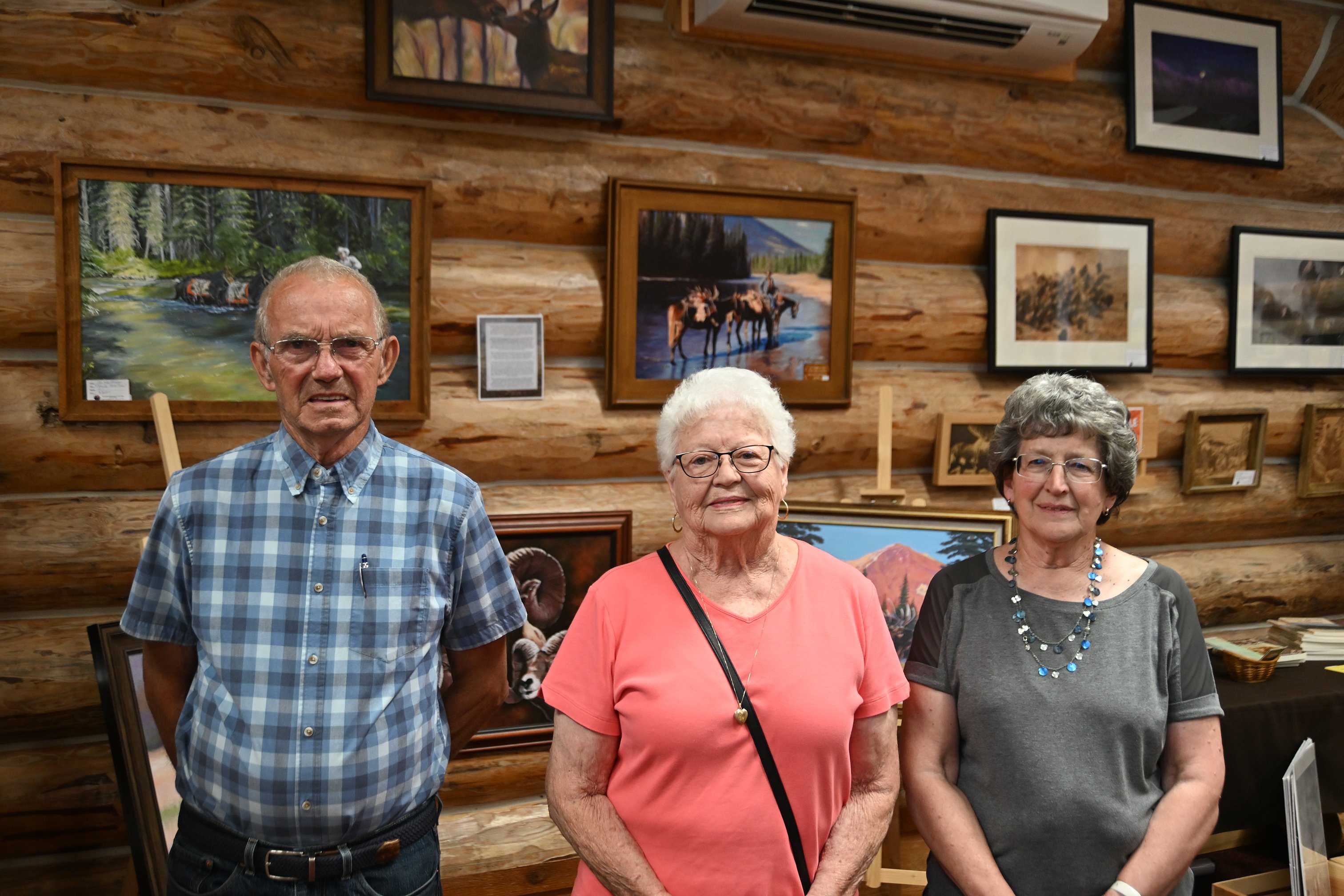 Curt Coulter, Dolores Swalling and Bernice Hawkaluk stand inside the Ninepipes Museum of Early Montana on June 24, 2026. (Jack Underhill/Daily Inter Lake)
ARTICLES BY JACK UNDERHILL
Kalispell clears way for tiny homes by adopting building standards
Councilors on Monday added tiny homes to Kalispell's city code in a bid to make it easier to build the simpler, low-cost housing alternatives.

Glacier Park International Airport earns spot among nation’s resort airports
Glacier Park International Airport was named one of the nation’s top resort airports in USA Today’s 10BEST Readers’ Choice Awards.

Kalispell City Council to consider tiny home regulations
Kalispell City Council on Monday will vote on whether to add tiny homes to city code, allowing the municipality to inspect them and enforce building standards.