
The enduring influence of Italian design on modern luxury
Billie Pollisotto | Bonner County Daily Bee | UPDATED 1 month, 3 weeks AGO
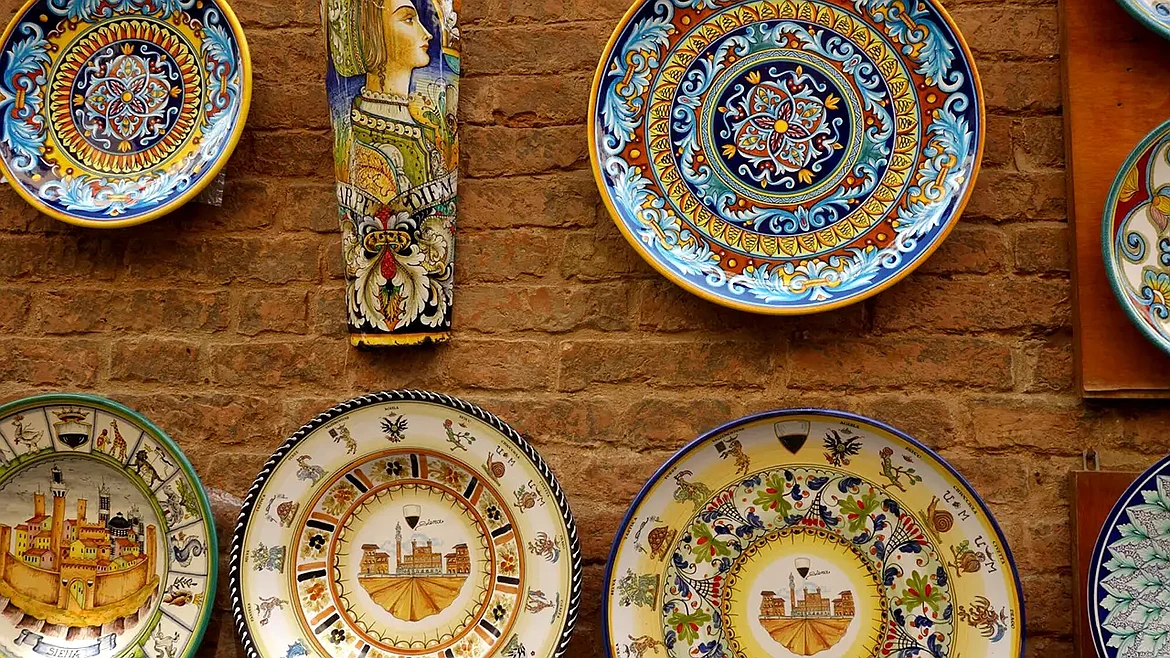
Italian design continues to shape modern luxury through its timeless craftsmanship, balanced proportions, premium materials, and commitment to artistry. From fashion and furniture to architecture and interiors, its influence remains a benchmark for brands and homeowners seeking elegance that lasts beyond changing trends.
A boutique hotel owner walks through a newly renovated lobby moments before opening day. Every detail feels inviting without being excessive, proving that true luxury comes from thoughtful design rather than decoration alone. That philosophy has made Italian design a lasting source of inspiration, influencing everything from high-end residences to global luxury brands with an approach that values quality, beauty, and enduring appeal.
What Design Is Italy Known For?
Italy has long been regarded as one of the world's leading centers for luxury fashion design. Its influence reaches far beyond the runway, shaping clothing, accessories, jewelry, and timepieces through a commitment to:
- Craftsmanship
- Premium materials
- Timeless style
While trends change from season to season, the principles of Italian design continue to inspire luxury brands across the globe.
One reason Italian fashion remains so influential is its focus on quality at every stage of production. Designers often collaborate with textile mills and skilled artisans to create garments and accessories that reflect exceptional attention to detail. Careful stitching, luxurious fabrics, and precise construction produce pieces designed to remain stylish for years rather than a single season.
Italian luxury extends beyond apparel into accessories that complete a refined wardrobe. Fine leather handbags, handcrafted shoes, elegant eyewear, and Maserati watches all reflect the country's appreciation for sophisticated design and meticulous engineering. These accessories often feature clean lines and understated details.
Another hallmark of Italian design is its belief that elegance comes from balance. Neutral color palettes, tailored silhouettes, and carefully chosen materials create collections that feel modern without becoming tied to passing trends. This philosophy allows individual pieces to work together effortlessly while remaining versatile enough for a variety of occasions.
Italian Luxury Brands and Architecture
Italian architecture has influenced luxury living by focusing on the experience of a space rather than simply its appearance. Historic city centers, coastal villas, and countryside estates each demonstrate a thoughtful approach to:
- Scale
- Movement
- Comfort
A defining feature of this tradition is the way buildings are designed around everyday life. Central courtyards encourage gathering. Covered terraces extend living spaces outdoors.
Carefully planned layouts create a natural flow from one room to the next. These concepts remain popular in modern luxury homes because they promote both functionality and relaxation.
Italian architecture has also inspired designers to blur the boundaries between art and construction. Decorative stonework, custom ironwork, hand-painted details, and sculptural staircases are often treated as architectural features rather than afterthoughts. Even contemporary buildings frequently incorporate these artistic elements in subtle ways to add personality without compromising modern interior design.
Its influence extends beyond private homes. The following often borrow from Italian architectural principles to create environments that feel sophisticated and memorable:
- Luxury hotels
- Boutique retail spaces
- Museums
- Upscale restaurants
- High-end office buildings
The emphasis is on creating spaces that leave a lasting impression through thoughtful design instead of excessive ornamentation.
Italian Furniture
Italian furniture is designed to improve the way people use their homes, not simply decorate them. Every piece is intended to create a comfortable, functional environment while maintaining an elegant appearance.
One characteristic that sets Italian furniture apart is its attention to ergonomics. Seating is often designed for extended comfort. Dining tables are proportioned to encourage conversation, and storage pieces are carefully planned to maximize usability without sacrificing style.
Italian designers also embrace versatility. Modular seating systems, extendable dining tables, and multifunctional storage solutions make it easier to adapt living spaces as needs change. This flexibility is especially valuable in contemporary homes where rooms often serve multiple purposes throughout the day.
Texture is another area where Italian craftsmanship excels. Smooth leather, rich wood grain, woven fabrics, brushed metals, and natural stone are frequently paired to create visual interest without relying on excessive decoration. The thoughtful combination of materials gives interiors depth and character while maintaining a refined aesthetic.
How Can I Make My House Look Italian?
Pay attention to the layout before adding decorative elements. Arrange furniture to encourage conversation instead of focusing everything around a single focal point. Dining areas are often treated as the heart of the home, with generous tables and comfortable seating that invite family and guests to linger.
Replace harsh overhead lighting with a combination of:
- Pendant fixtures
- Wall sconces
- Table lamps
- Natural daylight
Making a change will create a softer, more welcoming environment. Warm lighting highlights architectural details and gives rooms a relaxed, lived-in character.
Incorporate pieces that reflect history and craftsmanship instead of buying matching décor sets. A vintage mirror, handmade pottery, framed landscape artwork, antique-inspired hardware, or locally crafted décor can give a home personality while creating the collected look often found in Italian residences.
Frequently Asked Questions
What Is Tuscan Style Design?
Tuscan style design is an interior and architectural style inspired by the countryside of Italy's Tuscany region. It emphasizes warmth, natural materials, and a relaxed sense of elegance rather than ornate decoration. Common features include:
- Stone and wood finishes
- Terracotta flooring
- Exposed ceiling beams
- Textured walls
- Wrought iron accents
- Earthy colors
What Is the Design Capital of Italy?
Milan is widely recognized as the design capital of Italy. The city is internationally known for its Italian design influence on:
- Fashion
- Furniture
- Architecture
- Industrial design
It hosts major events such as Milan Design Week and Salone Internazionale del Mobile, attracting people from around the world.
Alongside its renowned fashion houses, Milan is home to innovative design studios, luxury showrooms, and historic workshops, making it a global destination for creativity and modern luxury.
Can Italian Design Work In Small Homes and Apartments?
Italian design is often an excellent fit for smaller homes and apartments because it emphasizes thoughtful layouts, clean lines, and furniture that combines beauty with practicality. Rather than filling a room with unnecessary décor, the focus is on selecting a few well-crafted pieces that maximize comfort and function. Try features like:
- Built-in storage
- Light color palettes
- Natural materials
- Mirrors
- Multifunctional furniture
Enjoy Luxurious Italian Design Trends for Your Needs
Italian design continues to influence modern luxury to this day.
Are you interested in learning more about fashion and design? Explore some of our other useful posts.
This article was prepared by an independent contributor which helps us continue delivering quality content to our audiences.