
Understanding common bike injury and prevention tips
Arin Barry | Bonner County Daily Bee | UPDATED 7 hours, 28 minutes AGO
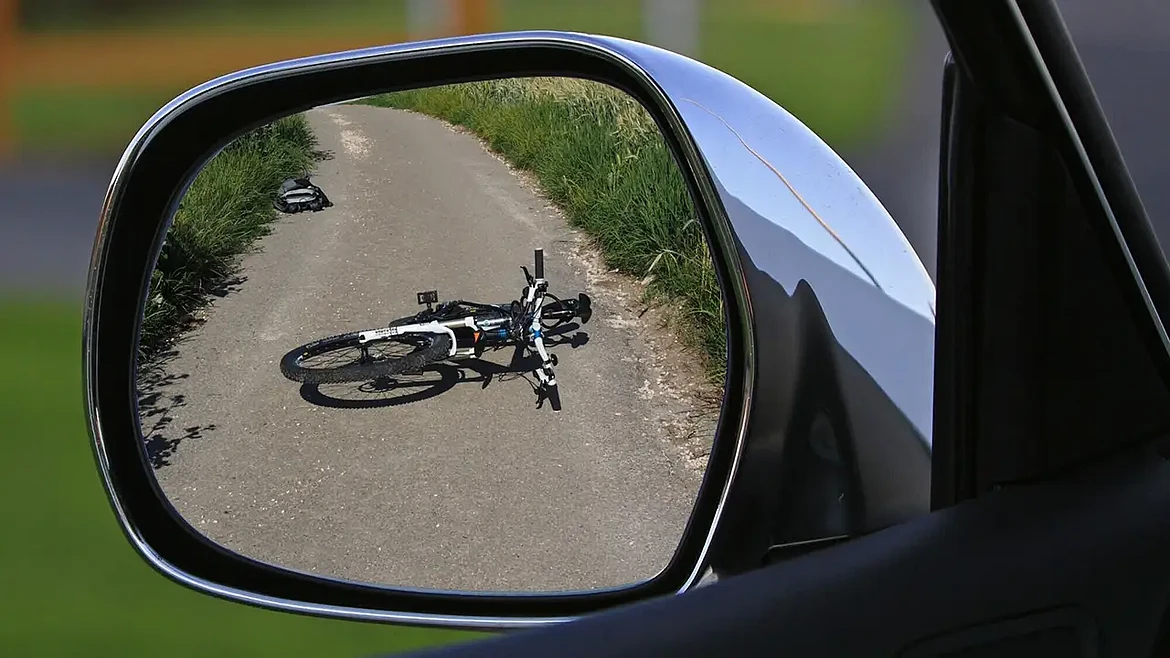
A bike injury can be as simple as a scraped knee or as serious as a broken bone, concussion, or painful overuse condition. The right biking safety gear, a properly adjusted bike, and steady defensive riding habits go a long way toward keeping you safe.
According to the CDC, more than 120,000 people are treated in U.S. emergency departments each year for bicycle crash-related injuries. That number is a reminder that prevention should start before you even leave home.
No matter why you ride, practicing cycling safety techniques can help you avoid common hazards before they lead to an injury.
What Are the Most Common Bike Injuries?
Cycling injuries usually fall into two groups. Acute injuries happen during a crash, while overuse injuries develop through repeated strain.
Road Rash, Bruises, and Cuts
Road rash is a common injury for cyclists when they take a tumble. Loose gravel, sudden stops, and crashes can cause cuts, bruises, and swelling. Wearing cycling gloves, durable clothing, and slowing down on rough surfaces can help reduce the risk.
Clean minor scrapes and use ice for swelling. A medical professional should treat deep wounds, heavy bleeding, and large areas with embedded dirt.
Head, Neck, and Facial Injuries
A helmet helps reduce the risk of serious head injuries, but it cannot prevent every injury. A hard fall can cause a concussion, facial injuries, or neck trauma. Warning signs that need medical attention include:
- Confusion
- Dizziness
- Severe headache
- Vomiting
- Slurred speech
- Trouble walking
Hands, Wrists, and Shoulder Injuries
Many cyclists instinctively put their hands out during a fall, which can lead to sprains, fractures, or shoulder injuries. Severe pain, swelling, numbness, or difficulty moving your arm or wrist should be checked by a doctor.
Good bike control, smooth braking, and properly adjusted handlebars can help reduce the risk of these injuries. Gloves give you better grip and protection.
Knee, Hip, and Ankle Pain Often Comes From Overuse
Not every bike injury happens in a crash. Knee, hip, and ankle pain often develops from riding too much, increasing your training too quickly, or using a bike that doesn't fit properly.
A saddle set too high rocks your hips with every pedal stroke, and one set too low strains your knees. Reach and handlebar height affect your neck, shoulders, and lower back the same way.
If the pain doesn't improve, affects the way you pedal, or continues during everyday activities, see a healthcare professional or a qualified bike fitter.
How Can Biking Safety Gear Reduce Your Risk?
The right gear cannot eliminate every danger, but it can significantly reduce the severity of many injuries.
A helmet should sit level, with the front edge slightly above the eyebrows. It should feel snug without causing pain, and the chin strap should form a secure V around the ears.
Choose a helmet that meets a recognized safety standard in your region. Replace it after any hard impact, even if the shell looks fine.
Gloves help protect your palms and improve grip, while glasses block dust, insects, and small stones. Shoes with a firm sole can improve pedal control. Mountain biking, BMX, downhill riding, and jumps may call for knee pads, elbow pads, or a full-face helmet.
Bright clothing, reflective materials, and white front and red rear lights improve your visibility during early morning rides, evenings, rain, and cloudy weather.
Which Cycling Safety Techniques Actually Prevent Crashes?
A quick pre-ride check should include the lights, brakes, tires, chain, and wheel releases.
Smart cycling habits include using hand signals and scanning intersections, driveways, and parked cars before you reach them. Brake with both levers using steady pressure. Slow down before turns, hold a predictable line, and give yourself extra room on wet leaves, gravel, or ice.
Defensive riding remains one of the most effective forms of bike accident prevention because it allows you to anticipate hazards before they develop into emergencies.
What Should You Do After a Bike Crash?
Your safety comes first. If you can move safely, get out of traffic and check yourself for injuries. Call 911 if you or anyone else has severe bleeding, trouble breathing, a suspected head or neck injury, or cannot move.
If another person caused the crash, take photos of the scene, exchange contact and insurance information, and report the accident to the police if required. Speaking to experienced personal injury accident lawyers can help you understand your legal options about any claim tied to the accident.
What Are the Best Injury Recovery Tips?
Rest the injured area, but don't stay off the bike entirely once a doctor clears light movement, since gentle activity often speeds healing more than complete inactivity.
Eat enough protein to support tissue repair, sleep on a consistent schedule, and follow a physical therapist's plan instead of pushing back into full mileage too soon.
Frequently Asked Questions
How Long Does It Take to Recover From a Bike Accident Injury?
Minor cuts and bruises may heal within a couple of weeks, while sprains and fractures often take six to eight weeks. More serious injuries, such as concussions or spinal injuries, can take months to recover.
Your age, overall health, and how quickly you receive treatment also affect recovery.
Who's Considered at Fault if a Car Hits a Cyclist?
Fault depends on how the crash happened, not simply on who was injured. A driver may be at fault for failing to yield or turning into a cyclist's path, while a cyclist may share responsibility if they ignored traffic laws.
The available evidence is used to determine who was responsible.
What Is the Most Common Cause of Bicycle Accidents Involving Vehicles?
Many crashes happen when a driver turns across a cyclist's path without seeing them or misjudges their speed. These collisions are common at intersections and near driveways.
Slow down at intersections, stay visible, and make eye contact with drivers whenever possible. These simple techniques can help reduce your risk of a collision.
Avoiding a Bike Injury Takes Preparation
A bike injury isn't always avoidable, but many of the risks are within your control. The more consistent you are with safe riding habits, the more likely you are to avoid unnecessary setbacks.
Make safety part of every ride. Visit our website for more information and resources.
This article was prepared by an independent contributor which helps us continue delivering quality content to our audiences.