
Wetland conservation is reshaping public access projects
Stephanie Heron | Daily Inter-Lake | UPDATED 2 months, 1 week AGO
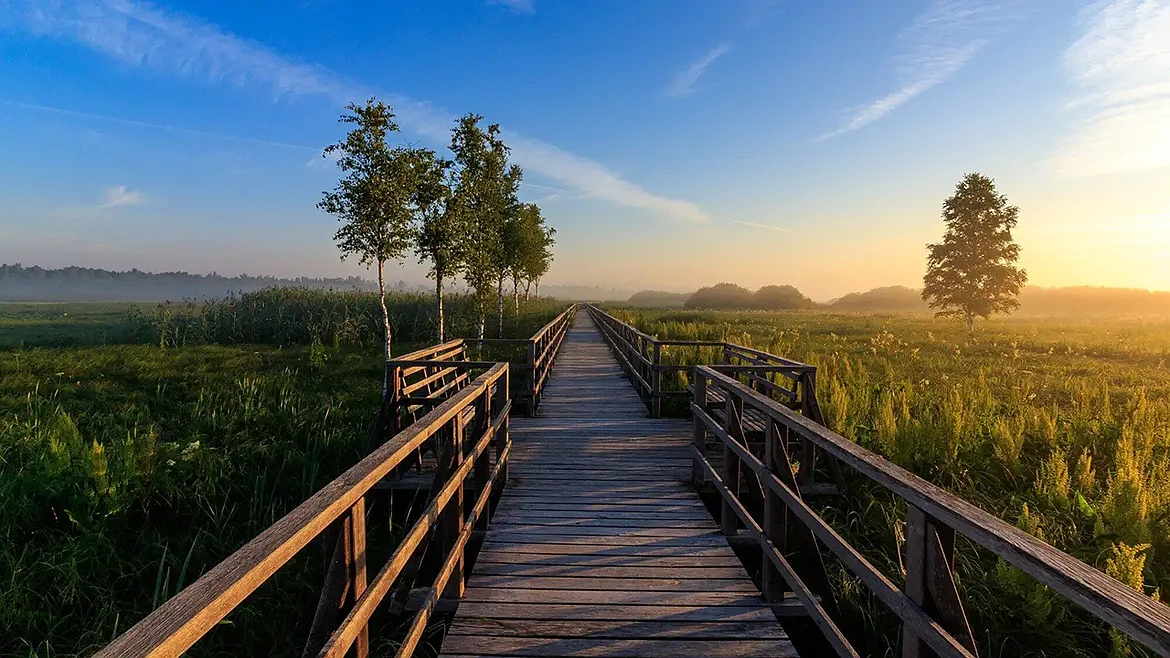
Wetland conservation is reshaping public access projects because they're being designed around natural hydrology, and universal access is expanding beyond conventional trails. Interpretation is also becoming part of the infrastructure, and access projects are creating new partnerships and funding models.
According to Open Forests, 25% of wetland species are threatened with extinction, and we've lost 64% of the world's wetlands since 1900. The current rate of loss is three times faster than that of forests, and this is alarming, as 40% of the world's species depend in some way on wetlands.
As you can see, this makes wetland conservation of the utmost importance.
What Is Wetland Conservation?
Wetland conservation is the protection, restoration, and responsible management of wetlands so they can continue supporting:
- Ecosystems
- Communities
- Wildlife
This includes places where water covers or saturates soil for all or part of the year, as this creates conditions that support specialized plants and animals.
Conservation can involve:
- Protecting intact wetlands from development
- Restoring areas that have been drained or degraded
- Managing surrounding land to reduce harmful impacts
Effective conservation goes beyond preserving a piece of land; it also includes maintaining the ecological processes that sustain wetlands.
How Is Wetland Conservation Reshaping Public Access Projects?
What's great about wetland conservation is that it's changing how people are carrying out public access projects. Here are the key ways we're rethinking habitat protection.
Public Access Is Being Designed Around Natural Hydrology
Wetland conservation is changing the basic design of public access infrastructure. Instead of assuming that a trail, boardwalk, or viewing platform should follow the most direct route, planners are accounting for:
- Seasonal flooding
- Groundwater movement
- Erosion
- Fluctuating water levels
For example, elevated boardwalks allow visitors to cross sensitive areas without creating the compacted soil and drainage changes associated with conventional paths.
Trail alignments may also be selected to work with natural contours and avoid areas where construction would interfere with water movement. This approach can make infrastructure more resilient while reducing the need for repeated repairs. It means that public access projects may be designed as adaptable systems rather than permanent structures, too.
If you have a wetland reserve program, then get in touch with York Bridge Concepts to get a bespoke bridge that's designed around natural hydrology.
Universal Access Is Expanding Beyond Conventional Trails
Wetland projects are treating accessibility as a design challenge that can be solved without sacrificing ecological goals. Traditional paths may be difficult to navigate through saturated or uneven terrain, but boardwalks, firm-surface trails, viewing platforms, accessible fishing areas, and appropriately designed rest points can create more opportunities for people with different mobility needs.
Projects may also incorporate the following for sustainable infrastructure:
- Wider turning areas
- Gentler grades
- Handrails
- Seating
- Accessible observation locations where appropriate
The important shift is that accessibility is being considered during the initial site-planning process, not after construction.
Interpretation Is Becoming Part of the Infrastructure
Public access projects are using infrastructure itself to explain why wetlands matter. Instead of treating signs as an afterthought, planners can integrate interpretive panels, viewing areas, educational markers, and digital information into trails and boardwalks. Visitors might learn:
- How water levels change throughout the year
- How floodplains function
- Why certain plants dominate saturated soils
- How a restored landscape connects to a larger watershed
This turns public access into an educational experience while helping explain restrictions, such as seasonal closures or designated viewing zones. Well-designed interpretation can also make conservation investments more understandable to the public.
Access Projects Are Creating New Partnerships and Funding Models
Wetland access projects require collaboration among groups that traditionally operated separately. Public agencies may work with the following to determine how a site should function:
- Conservation organizations
- Accessibility advocates
- Local communities
- Engineers
- Landscape architects
- Recreation departments
These partnerships can influence everything from trail placement to maintenance responsibilities and visitor management. Funding can also come from multiple sources, and that broader financing structure can make projects possible that a single agency couldn't easily fund alone.
Rather than evaluating a project solely by visitor numbers or construction costs, stakeholders may consider:
- Accessibility
- Maintenance demands
- Educational value
- Habitat compatibility
- Community benefit
Frequently Asked Questions
What Are the Four Types of Conservation?
The four types of conservation are:
- Protective: Focuses on safeguarding existing ecosystems, habitats, species, or natural resources from destruction or significant disturbance
- Preventive: Aims to stop damage before it occurs, such as controlling pollution, managing development, or preventing invasive species from spreading
- Restorative: Attempts to repair ecosystems that have already been degraded (e.g., reestablishing native vegetation or restoring natural water flows)
- Sustainable-use: Allows people to use natural resources while keeping those resources viable over the long term
What Are the 4 Types of Wetlands?
The four types of wetlands are:
- Marshes: Generally dominated by grasses, reeds, sedges, or other herbaceous plants, and may occur around lakes, rivers, or coastal areas
- Swamps: Typically characterized by woody vegetation (including trees and shrubs) growing in saturated conditions
- Bogs: Usually acidic, nutrient-poor wetlands where peat accumulates, and plants such as sphagnum moss are common
- Fens: Also accumulate peat but generally receive more mineral-rich groundwater, so they're less acidic and often more biologically diverse than bogs
What Can We Do To Conserve Wetlands?
Wetland conservation starts with decisions made at the individual, community, and policy levels. People can:
- Avoid dumping waste or chemicals into waterways
- Reduce fertilizer and pesticide runoff
- Use water responsibly
- Keep natural vegetation along streams and ponds
Communities can support land-use policies that steer development away from sensitive wetland areas. Visitors can also help by staying on designated paths and keeping pets under control.
At a broader level, conservation organizations and governments can:
- Acquire or protect important wetland parcels
- Monitor ecological conditions
- Enforce regulations
The most effective efforts combine individual stewardship with:
- Planning
- Funding
- Scientific monitoring
- Long-term habitat management
Wetland Conservation Is Causing a Shift in Public Access Projects
Wetland conservation is about protecting the animals, but it's also more than that. Planners are rethinking things like accessibility and designs around natural hydrology, so that we can better preserve natural areas while still providing great access for everyone who wants to visit.
Read more of our webpages now if you want to find additional interesting topics.
This article was prepared by an independent contributor which helps us continue delivering quality content to our audiences.