
Guide to designing a captivating commercial boardwalk
Nicole Melchionda | Coeur d'Alene Press | UPDATED 1 week, 4 days AGO
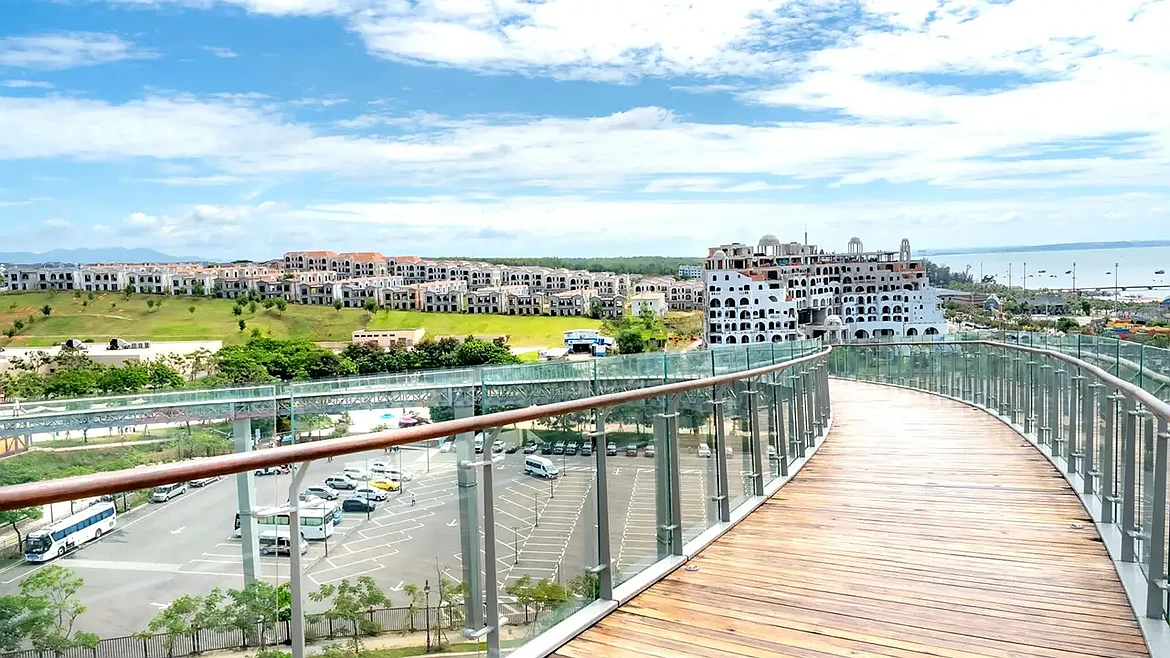
The most amazing commercial boardwalks boast everything from attractive design and useful amenities to entertainment and businesses that encourage people to stay and return. While you shouldn't skimp on visual appeal, there's also the undeniable importance of safety, accessibility, durability, and more.
When done right, a boardwalk can feel like much more than a nice path beside the water. After careful planning, it can serve as a destination where people shop, take a break to dine and relax, and soak up the atmosphere. Anyone who wants to create that kind of destination needs to pay keen attention to the layout and building materials, as well as lighting and visitor amenities.
What Truly Makes a Commercial Boardwalk a Hit?
A remarkable boardwalk begins with a crystal-clear understanding of who will use it and what they want from the experience. The following may all have different expectations:
- Families
- Tourists
- Local residents
- Shoppers
- Business customers
Effective boardwalk design strategies should make all movement through the area feel as natural as can be. Visitors should have no issue finding restaurants, shops, attractions, and restrooms.
The same must be true of seating areas and waterfront views. If people are struggling to understand where they need to go, then the boardwalk has already failed.
A reliable layout can also help businesses benefit from a steady stream of pedestrian traffic. Restaurants and retail stores should be visible from afar and easy to reach. At the same time, gathering spaces can act as suitable stopping points.
Comfort matters just as much as appearance. The following can make people more willing to spend several hours on the boardwalk rather than simply pass through as quickly as possible:
- Shade structures
- Benches
- Landscaping
- Lighting
- Areas protected from wind or rain
What Features Should a Standout Commercial Boardwalk Have?
A commercial boardwalk needs a strong and sensible combination of attractions and practical amenities. Restaurants and coffee shops can go a long way toward encouraging visitors to stay longer. Shops and entertainment venues give people even more reason to explore the area fully.
Other successful boardwalk design features might include the following:
- Waterfront viewing decks and public seating areas
- Outdoor dining spaces
- Public art
- Children's play areas and performance spaces
- Restrooms
- Bicycle parking and wayfinding signs
- Landscaped areas
Material selection also deserves careful attention. The fundamental importance of timber structures in commercial development becomes particularly apparent when designers want to create an inviting connection between architecture and the surrounding environment.
Timber can be used for everything from walkways and viewing platforms to pavilions, bridges, and beyond. Its natural appearance perfectly complements waterfront environments and nurtures a warmer atmosphere, especially compared to more industrial materials.
Durability remains non-negotiable, however. Designers need to account for the following when choosing timber and other construction materials:
- Moisture
- Weather exposure
- Foot traffic
- Maintenance requirements
- Structural loads
- Local environmental conditions
How Can You Fine-Tune the Visitor Experience on a Boardwalk?
The best design should make visitors feel comfy and welcome from the second they arrive. Enhancing visitor experience involves removing even the smallest frustrations while creating memorable moments.
Obvious signage can help people find businesses, attractions, restrooms, exits, or anything else they might be looking for. Ergonomic seating gives visitors opportunities to stop and take in the scenery. Proper lighting can also make the area feel safer and more welcoming after sunset.
Accessibility should be built into the design's DNA from the beginning. The following allow more people to enjoy the boardwalk to the fullest:
- Smooth pathways
- Appropriate ramps
- Accessible facilities
- Suitable seating
- Clear, logical routes
Sensory experiences can actually make the destination more impressive. Landscaping can introduce splashes of color and texture, while public art can deepen the visual interest. Outdoor dining can bring the smells and sounds of restaurants into public spaces, adding energy to the environment.
Don't forget about programming. It can elevate engagement as a whole. Markets, festivals, concerts, seasonal celebrations, and community events are a handful of options that can give people reasons to visit at different times throughout the year.
How Can Designers Make a Boardwalk Stand Out From the Rest?
There's no denying that a boardwalk needs a unique identity if it's going to compete with other attractions. Generic design can make a destination feel interchangeable, but distinctive details can give visitors something to remember.
Some unique boardwalk ideas include the following:
- Interactive public art
- Themed architectural features
- Waterfront observation decks
- Outdoor performance areas
- Pop-up retail spaces
- Interactive play zones
- Creative nighttime lighting
You can use local history and culture as valuable inspiration. A boardwalk might incorporate architectural details, artwork, landscaping, or storytelling elements that speak to the local area's identity.
Frequently Asked Questions
How Wide Should a Commercial Boardwalk Be?
There isn't one ideal width for every project because requirements depend on how the space will end up being used. Designers should consider expected pedestrian traffic, accessibility, emergency access, and seating. The following often comes into play, too:
- Landscaping
- Bicycles
- Recreational activities
- Local regulations
A hectic destination with restaurants and entertainment may require wider pedestrian areas than, say, a quieter waterfront walkway. Planning for potential future growth can also help prevent overcrowding later on.
How Much Maintenance Does a Commercial Boardwalk Need?
Again, the exact kind of maintenance needed depends on everything from the materials and climate to the amount of foot traffic and proximity to water. Routine cleaning can preserve its appearance, while inspections can uncover damaged surfaces and other issues before they get out of control.
Landscaping may also require continuous attention. Creating a maintenance plan well before construction can help owners budget for periodic work and stay on top of small problems before they become far more expensive.
It's Time to Design the Perfect Boardwalk
When a boardwalk is made with people in mind, it's possible to create an atmosphere like no other. From clear signage to comfy seating, there are many elements that you should always include.
From business and real estate to sports and lifestyle topics, you can rely on our passionate team for all of the latest scoops. Since we post high-quality content consistently, it's worth subscribing today.
This article was prepared by an independent contributor which helps us continue delivering quality content to our audiences.