
Hiking safety is getting more attention as outdoor recreation grows
April D. Lee | Coeur d'Alene Press | UPDATED 6 hours, 40 minutes AGO
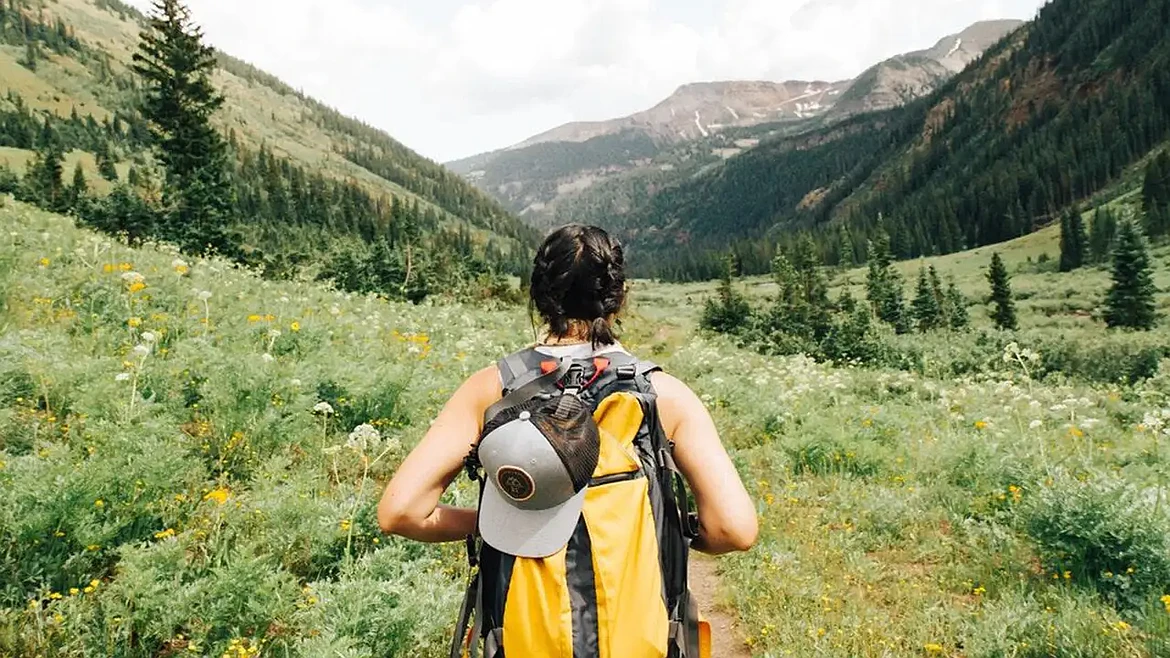
Hiking safety starts with matching the trail to the group, checking current conditions, carrying essentials, and knowing when to turn around. Better preparation helps hikers manage weather, wildlife, navigation problems, and unexpected delays.
A peaceful trail can change in minutes. Sunshine can become rain.
A clear path can disappear behind deadfall. A short climb can feel much harder in heat or at elevation.
More people are choosing hiking for exercise, family time, and a break from screens. Research from PubMed Central links hiking with cardiovascular, strength, balance, and mental health benefits.
The goal is not to remove adventure from hiking. The goal is to prepare well enough to enjoy it with fewer preventable problems.
What Are the Most Important Hiking Safety Tips?
The most important tips are to research the route, check weather and trail alerts, share a trip plan, carry essential gear, and stay within the group's ability. Hikers should plan for:
- Water
- Food
- Navigation
- First aid
- Light
- Extra layers
- Emergency shelter
Current conditions matter as much as a route description. ITPR reports that National Park Service summer safety efforts include heat planning and digital alerts during extreme conditions. Recent rain, high heat, or damaged trail sections can quickly change a familiar route.
How Do You Stay Safe on a Hiking Trail?
Staying safe requires steady decisions from the trailhead to the return. Hikers should:
- Stay on the planned route
- Watch their footing
- Maintain a manageable pace
- Drink regularly
- Reassess conditions
Extra caution is needed near:
- Fast water
- Steep slopes
- Loose rock
- Exposed edges
A safe plan also includes a turnaround point. Good trail judgment means changing the plan when weather, daylight, fatigue, or terrain creates more risk than the group can manage.
Outdoor Recreation Growth Makes Preparation More Important
Hiking has become a common part of outdoor vacations because it can fit many ages and fitness levels. Trips can range from short walks near town to multi-day journeys through remote country.
Interest in outdoor travel can also bring newer hikers into places with:
- Steep elevation changes
- Weak cell service
- Unstable footing
- Changing weather
People planning travel camping trips should review trail routes, water access, wildlife rules, emergency communication, and physical limits before leaving.
Prepare for Rugged Terrain Before Reaching the Trailhead
A rugged trail demands more than enthusiasm. Distance alone does not show how difficult a hike will feel. Elevation gain, heat, loose surfaces, stream crossings, mud, and exposure all affect effort.
Match the Route to the Group
Choose a route based on the least experienced person. Parents should consider how children respond to:
- Distance
- Elevation
- Weather
- Long periods of effort
Challenging adventures can build confidence and family bonds. Pushing children too far outside their comfort zone can allow fear to dominate the experience.
A pre-hike review should cover:
- Total distance and elevation gain
- Weather and available daylight
- Trail surface and water crossings
- Closures, hazards, and exit points
- Turnaround options
Carry Gear That Solves Real Problems
Navigation should not depend on one phone battery or signal. Carry offline route information when appropriate.
Bring a light even when the hike should end before dark. Pack enough water and food for possible delays.
Equipment should match the activity. Travelers combining hiking with technical climbing or work-at-height activities can browse slings & lanyard at Fusion Climb when researching specialized connection gear. Ordinary hikers should not treat technical equipment as a substitute for route knowledge or training.
Weather and Wildlife Require Local Planning
Conditions on rugged terrain can change fast. Heat may increase fatigue. Storms can bring:
- Lightning
- Cold rain
- High water
- Poor visibility
Hikers should check forecasts close to departure and continue watching conditions.
Wildlife planning should be location-specific. Learn local wildlife conditions, avoid surprise encounters, keep groups together, and carry bear spray where it can be reached fast in bear country. Food and scented items also require proper storage where bears are active.
Strong Hiking Safety Depends on Judgment, Not Just Gear
Gear can solve specific problems, but judgment determines when to use it. A first-aid kit helps after minor injuries.
Extra clothing helps when temperatures fall. Navigation tools help when the route becomes unclear. None can replace a realistic plan.
Physical and mental benefits are connected with hiking and time outdoors. Those benefits include:
- Cardiovascular support
- Lower stress
- Improved mood
- Social connection
Preparation protects the experience people came to enjoy.
Frequently Asked Questions
What Should Hikers Do When Cell Service Disappears?
Hikers should assume some routes will have weak or nonexistent service. Download maps before leaving. Keep the phone charged.
Consider a satellite communication device for remote trips. Share the planned route and return time with someone who is not on the hike.
A missed check-in can then signal that help may be needed. Battery-saving settings can also preserve navigation and emergency capability during a delayed return after dark.
How Should Families Choose Hikes for Children?
Families should choose routes based on a child's experience, energy, comfort with terrain, and ability to handle changing weather. Shorter routes with flexible turnaround points often give parents more control.
Adventure can build resilience. Challenges that move too far beyond a child's comfort zone can become dominated by fear.
When Should Hikers Turn Around Before Reaching the Destination?
Hikers should turn around when safety margins begin shrinking. Warning signs include:
- Worsening weather
- Fading daylight
- Unexpected route difficulty
- Water shortages
- Injury, navigation uncertainty
- A group member falling behind
Turning around early preserves time and energy for the return. A summit, lake, or viewpoint will still be there another day.
Make Hiking Safety Part of Every Outdoor Plan
Hiking safety works best when it becomes part of normal trip planning rather than an emergency response. Route research, weather checks, suitable gear, realistic pacing, and clear turnaround decisions help hikers handle uncertainty with more control.
Outdoor recreation can provide exercise, connection, challenge, and time away from daily pressure. Careful preparation helps protect those benefits without removing adventure.
Build safety into the plan before stepping onto the trail, then stay ready to adjust as conditions change. Explore more of our outdoor guides and articles for practical ideas that can help you plan future time outside.
This article was prepared by an independent contributor which helps us continue delivering quality content to our audiences.