
Sustainable home design is becoming a bigger priority for everyday renovations
April D. Lee | Bonner County Daily Bee | UPDATED 2 months, 2 weeks AGO
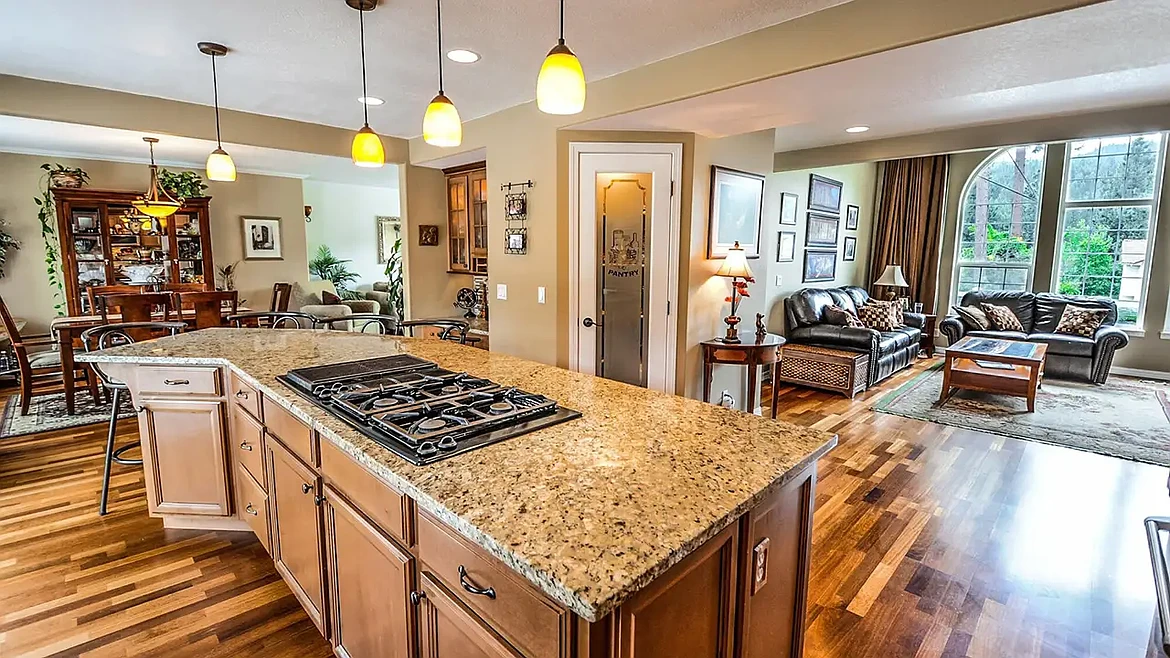
Sustainable home design now shapes everyday renovation decisions through lower-waste planning, durable materials, efficient systems, and adaptable layouts. Homeowners can make meaningful progress without rebuilding an entire property by improving one room, system, or material choice at a time.
A renovation can create a beautiful room and still leave a mountain of waste behind. Homeowners are looking more closely at what gets removed, what gets replaced, and how long new choices will last.
Interest is shifting from surface updates toward decisions that improve comfort, efficiency, and durability. Current design coverage points to recycled materials, better insulation, water-saving fixtures, adaptable spaces, and healthier finishes. A greener renovation works best when sustainability is part of the plan, not an upgrade added at the end.
How Can I Make My Home Renovation More Sustainable?
A sustainable renovation starts by keeping useful materials whenever possible.
Refinish sound floors. Repaint cabinets instead of replacing them.
Salvage doors, hardware, stone, and wood when they still have useful life. Adaptive reuse can lower demolition waste and reduce demand for new materials.
Material choices matter too. Reclaimed wood, cork, recycled metals, bamboo, recycled glass, and low-VOC finishes appear in current renovation guidance. Better windows, insulation, ventilation, and efficient lighting can also improve daily performance.
Is Sustainable Home Design Expensive?
Sustainable home design does not always require a premium renovation. Some measures can involve higher upfront spending. Others focus on using less, keeping what works, and avoiding unnecessary replacement.
Search results around sustainable design also identify passive strategies, local materials, water-saving methods, and efficient appliances as practical starting points.
Project cost depends on:
- Scope
- Region
- Labor
- Material selection
Modernization costs can vary widely based on the project. Careful planning matters because durable choices may reduce repeated upgrades later.
Longer-Lasting Home Materials Are Changing Renovation Choices
Durability is becoming central to home materials. Homeowners need to ask:
- How a product performs
- How often it needs replacement
- Whether it can be repaired
Current design sources emphasize:
- Reclaimed wood
- Recycled metals
- Cork
- Renewable woods
- Recycled-content surfaces
Low-VOC paint and formaldehyde-free wood products can support healthier indoor spaces. Materials that last longer can reduce the cycle of:
- Removal
- Disposal
- Replacement
Local sourcing can help as well. Locally made pieces can make a room feel connected to its region while encouraging homeowners to consider where products come from and how long they are designed to last.
Reducing Renovation Waste Starts Before Demolition
Waste reduction should begin during planning. A strong home renovation plan separates items into three groups:
- Keep
- Reuse
- Replace
Useful steps include:
- Refinish solid wood instead of removing it
- Donate usable cabinets, fixtures, and furniture
- Order carefully to limit excess material
- Select products with repairable or recyclable parts
Adaptive reuse has become a larger architectural priority because preserving structures can reduce construction waste and the embodied impact tied to new materials. Careful home styling can blend preserved features with newer finishes. Existing furniture, art, and textiles can remain, including pieces such as Turkish rugs that already suit the space.
Energy Performance Is Becoming Part of Everyday Design
Sustainable renovation is also moving behind the walls. Better insulation, airtightness, efficient windows, ventilation, and thoughtful shading can improve comfort while reducing energy demand. Current guidance increasingly describes a fabric-first approach that improves the building envelope before complex technology is added.
Smart thermostats, efficient lighting, and energy-management systems can support those changes. Water-saving fixtures and responsible landscaping can extend the same thinking outdoors. Efficiency works best when the house itself needs less energy before technology is asked to manage it.
Solar power, efficient appliances, and better insulation are part of the broader move toward homes designed for lower daily waste and lasting comfort.
An Interior Decorator Can Support Lower-Waste Styling
An interior decorator can help homeowners avoid waste caused by rushed purchases and short-lived looks. A useful plan can identify:
- What should stay
- What can be refinished
- Where a new purchase will have the greatest effect
Fewer, better-made pieces are gaining attention in sustainable interiors. Reusing furniture, choosing lasting finishes, and planning a flexible color palette can reduce the urge to replace a room when tastes change. Current sustainable design guidance also emphasizes upcycling and selecting fewer items with greater longevity.
Building a Sustainable House Starts With Adaptability
Building a sustainable house involves more than solar panels or recycled finishes. Layout flexibility can be a sustainability tool because a home that adapts to changing needs may require fewer major alterations later. Adaptability is an often-overlooked part of sustainable residential design.
Movable furniture, multipurpose rooms, accessible circulation, and flexible storage can extend a home's practical life.
Frequently Asked Questions
What Should Homeowners Check Before Buying Sustainable Materials?
Look beyond the product label. Check the following:
- Durability
- Maintenance needs
- Repairability
- Sourcing
- Recycled content
- End-of-life options
Certifications can help, but practical performance matters too. Ask whether the material suits the room's:
- Moisture
- Traffic
- Sunlight
- Cleaning needs
A long-lasting product that fits the space may prevent premature replacement. Homeowners should also request clear product information when environmental claims are vague.
Can Sustainable Renovation Improve Indoor Comfort?
Yes. Insulation, airtightness, ventilation, shading, efficient windows, and low-emission finishes can all affect daily comfort.
Better insulation can reduce drafts and temperature swings. Thoughtful ventilation can help manage moisture and indoor air. Low-VOC finishes can limit certain indoor emissions.
Comfort should be considered alongside energy use because a home that performs well should also feel pleasant during changing seasons. Current remodeling guidance connects better insulation, ventilation, efficient windows, and healthier finishes with improved home performance.
How Should Homeowners Prioritize Sustainable Upgrades?
Start with problems that affect the home every day. Air leaks, weak insulation, aging windows, water waste, and failing materials often deserve attention before decorative upgrades.
Next, identify items that can be repaired or reused. Finish with design choices that improve flexibility and long-term function. A phased approach can keep the project manageable while helping each decision support a broader sustainability goal.
Make Sustainable Home Design Part of the Next Renovation
Sustainable home design is becoming more practical because it focuses on choices homeowners already make during repairs and updates. Better materials, lower waste, efficient systems, and flexible layouts can improve a home without requiring a complete rebuild.
Explore our other guides and articles for more practical coverage of home improvement, design, and everyday living.
This article was prepared by an independent contributor which helps us continue delivering quality content to our audiences.