
Essential tips for a perfect dog mud room
Lettecha Johnson | Daily Inter-Lake | UPDATED 2 months, 2 weeks AGO
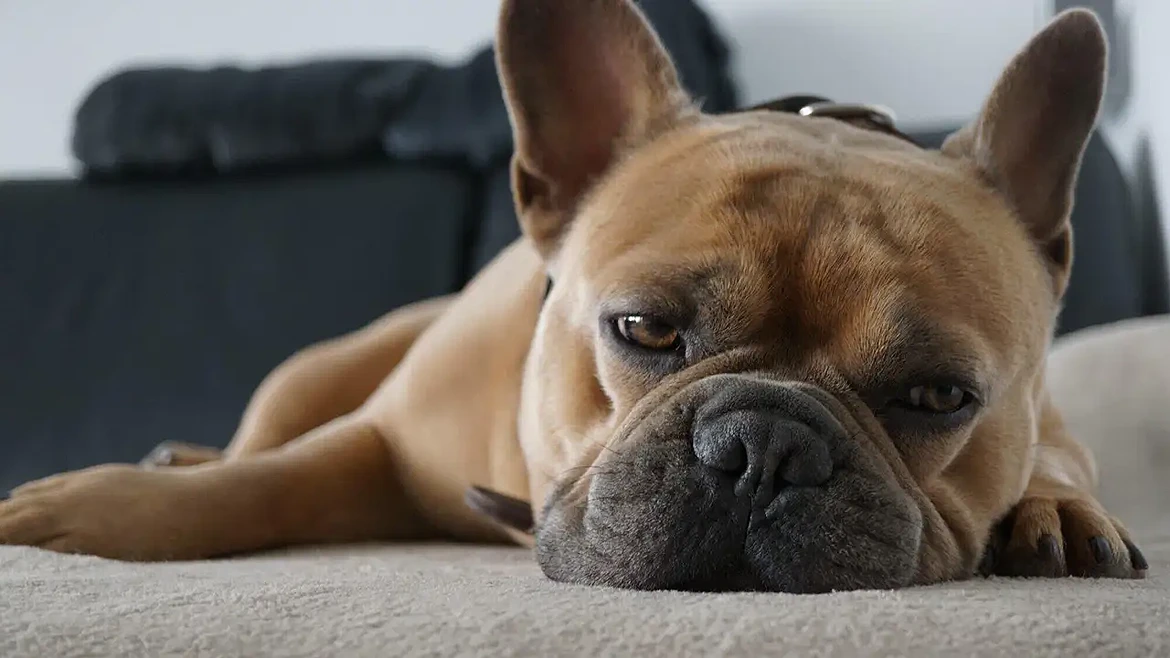
A dog mud room is the perfect solution to avoid muddy paw prints and splashes from outside through the main living space. Quickly clean your dog with a designated space containing a steel sink or tub for bath time, storage, and designated feeding zones. Tiled walls and epoxy-coated floors can add style while providing the durability you need when managing sharp pet claws and lots of animal activity.
Forbes reports that 66% of American homes have at least one furry friend and they're often considered part of the family. However, if everyone else in the home has a room, why not have a designated space for your pup, storing anything from shampoo to food to leashes? Instead of running around finding their toys or cleaning wipes when it's time to go out or come back in, keep everything in one designer area.
Why Do I Need a Dog Mud Room?
A standard mud room holds your home's cleaning tools and products. This one focuses on your pup's maintenance.
A mudroom is the ideal pet-friendly home design for anyone who wants to keep mud and dirt away from the living room couch and other areas of the home. Use it as a transition area to get dogs cleaned up after you take them on a walk or they come in from playtime.
Design it to make doggie bath time easier and as a pet storage area for your furry friends' toys and shampoo. It can also double as their dining room, so their bowls won't get in the way in the kitchen's main area.
What Are Some Mud Room Organization Tips to Use?
Your wash station should at least include a metal sink. If space permits, add a pet-sized bathtub instead of bathing them in yours.
Use lots of bins, containers, and hangers to keep things tidy and in proper zones. Add hooks for easy access to leashes and harnesses.
Clear bins can store their toys and grooming wipes. However, you can let them access some of their own toys with a small basket somewhere in the corner.
Organize their food in this space, but ensure you hide it so your puppy doesn't get tempted to grab some when you're not around. A good way to do so is a pull-out cabinet and an airtight bin.
Create a designated feeding zone near the food cabinet with everything from water bowls to food bowls placed together. Place bowls on a washable silicone mat that can catch splashes for easy cleanup.
How to designate this space from the rest of the house? Set a distinct barrier in style with saloon-style swinging doors.
Where Do I Put My Dog Mud Room?
Creating your stylish dog room should start inside your highest-traffic entry point from the outside. That can be near a back door leading in from the yard or the transition area between your garage and the house. If your kitchen connects to your backyard, you can create a space between that point.
You should position this room or zone next to an outside door. It's even better when you can include a dedicated doggie door that will allow your dog to step directly in on its own.
Make it easier to have a designated wash space by considering utility proximity. Plan it out to share a wall or space next to a laundry room or other wet area to make plumbing hookups for dog sinks and baths easier.
Creative Pet Spaces Must Consider Durability
The interior design for pets should use materials that are tough and waterproof to handle their claws and spills, from bathroom accidents to messy feedtime.
That's why the design layout should include floors made from materials like:
- Luxury vinyl
- Tile
- Sealed concrete
- Epoxy coating
With durable materials, you don't have to worry about mud and water ruining your subfloor. Use washable paint or tile to handle splashes.
Stainless steel is the best for these sinks and tubs due to its durability and resistance to rust and stains.
Do you plan to install a countertop? Quartz is ideal as it not only looks good but is hard to scratch and easy to wipe down during pet grooming.
Frequently Asked Questions
What Are Some Ways to Keep My House Clean When I Have Dogs?
Try using super-absorbent mats at every door that trap some outdoor dirt and water. Keep a portable paw cleaner on you or by the entrance to quickly wipe away muddy paws. Train your dog to wait on the mat until you're finished cleaning them up.
Brush your dog outdoors and get an air cleaner with a HEPA filter to catch floating dander and odors.
What Are Some Common Mistakes to Avoid When Creating a Dog Room?
A pet-friendly space must consider the dog's safety and comfort and be convenient for you to manage. That means avoiding porous flooring like carpets or unsealed wood, as it can be a mess to clean up after a bathroom accident. These materials will also trap odors and bacteria, which can stink up the rest of the house.
Having outlets and electrical cords within reach can be potentially fatal, as your animal may be prompted to chew on them.
Be aware that paints with VOCs and even some household plants may be toxic if they swallow them. It's also not a good idea to use too much delicate or plush upholstery that can stain easily and trap dog hair. Aim for something that's wipeable or has a removable cover to wash.
Handle Pet Messes in Style
Dogs can be as messy as they are lovable and loyal, which is why adding a dog mud room to your home is worth the investment. Enjoy easier dog and home maintenance with several features consolidated in one spot.
This space reduces the likelihood of tracking mud and odors through your otherwise clean home, but the mud room isn't just for cleaning. You can also use it as your dog's feeding space, toy storage zone, and more.
If you enjoyed reading about dogs, search our website for other interesting content.
This article was prepared by an independent contributor which helps us continue delivering quality content to our audiences.