
Early recognition of family mental health struggles makes all the difference
April D. Lee | Bonner County Daily Bee | UPDATED 3 weeks, 6 days AGO
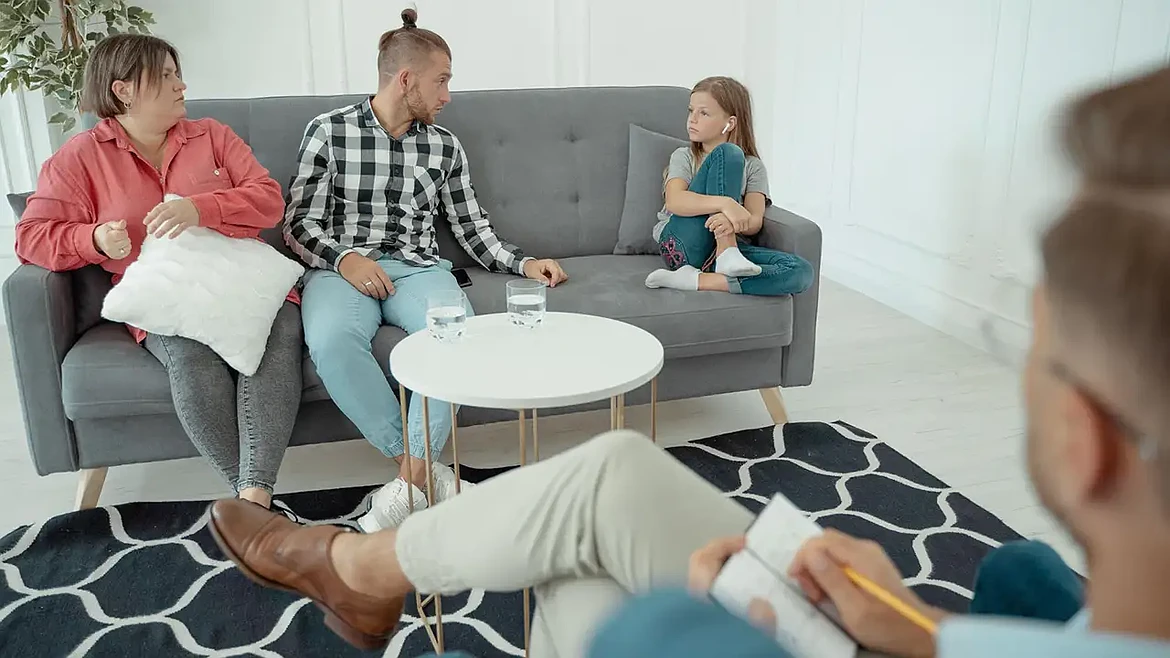
Family mental health can improve when changes are noticed early and addressed with calm, informed support. Families can help by watching for patterns, starting respectful conversations, and connecting a loved one with professional care when symptoms persist or disrupt daily life.
A quiet change can be very easy to miss.
A teenager stops joining family meals. A parent starts sleeping at odd hours. A sibling who often calls every week begins avoiding everyone.
One change may mean little, yet a pattern can signal a deeper struggle. Early attention can turn uncertainty into a chance to offer help before daily life becomes harder.
Families should watch for sudden or multiple changes in mood, behavior, thinking, or daily functioning. Strong mental health awareness gives families a practical way to notice concerns without jumping to conclusions.
The goal is not to diagnose a loved one. The goal is to recognize when support may be needed and respond with care.
What Are the Early Warning Signs of Mental Health Problems?
Early warning signs often appear as changes from a person's usual pattern. Withdrawal, sleep changes, loss of interest, trouble concentrating, irritability, appetite changes, substance use, and difficulty completing school or work tasks are among possible signs. Consider watching for ongoing sadness, anxiety, anger, social withdrawal, and sudden behavior changes that interfere with daily life.
Families should consider duration, severity, and disruption. A difficult day differs from a change that continues for weeks. Professional evaluation becomes more important when symptoms affect:
- Relationships
- Work
- School
- Self-care
- Safety
How Can Families Support a Loved One With Mental Health Challenges?
Effective support for mental health starts with listening. Choose a calm moment, express concern gently, and give the person room to speak. A statement about withdrawal or overwhelm may feel less threatening than telling someone what condition they have.
A family does not need perfect words to be helpful. It needs consistency, respect, and a willingness to connect the person with qualified care.
Early Recognition Can Shorten the Path to Help
Recognition matters because people do not always identify their own symptoms accurately.
The impact of early diagnosis should be understood carefully. Family members cannot diagnose a condition. Earlier recognition can lead to:
- Earlier screening
- Professional assessment
- Treatment planning
Early intervention is about recognizing the first signs of mental health decline.
Certain symptoms make timely attention especially important. Changes in perception, thinking, or suspiciousness may require professional evaluation. Michigan Minds explains that early specialized support for psychosis can support school or work involvement, relationships, emotional wellness, and quality of life.
Family Patterns Can Influence Mental Well-Being
Mental health struggles rarely come from one simple cause. Research on mental health across families points to both inherited and environmental influences. Family relationships can also shape coping, communication, and willingness to seek care.
CDC guidance on adverse childhood experiences notes that household mental health problems, substance use problems, violence, and instability can affect a child's sense of safety and long-term well-being. Safe, stable, nurturing relationships can help protect children and support healthy development.
Healthy family wellness therefore involves more than reacting to a crisis. It includes building a home where emotions can be discussed before problems grow.
Practical Mental Health Strategies Families Can Use
Useful mental health strategies should be simple enough to maintain. These include:
- Open communication
- Consistent routines
- Healthy coping
- Regular family check-ins
Respectful communication and reduced stigma can make it easier for family members to discuss emotions and seek help. Families can start with a few habits:
- Ask specific questions instead of only saying, "Are you okay?"
- Notice patterns in sleep, appetite, mood, school, work, and social activity.
- Keep routines steady during stressful periods.
- Avoid mocking, minimizing, or debating symptoms.
- Know which doctor, counselor, or local service to contact if concerns grow.
Small habits can create stronger mental health awareness inside the home.
Support Should Not Turn Into Control
Fear can make relatives push too hard. Constant checking, arguing, rescuing, or making every decision for someone may weaken trust.
Family denial can make a person question their own experience and make self-advocacy harder. Professional validation and outside support can become important when relatives dismiss a diagnosis.
Healthy support respects the person while taking serious warning signs seriously. Consider clear boundaries and steady support rather than short bursts of intense involvement.
Families can also create a crisis plan with:
- Warning signs
- Treatment contacts
- Previous care information
- Emergency resources
Frequently Asked Questions
Can Family Stress Cause a Mental Health Condition?
Family stress can affect mental well-being, yet it is rarely the only cause of a mental health condition. Biological factors, life experiences, relationships, trauma, and other environmental influences can interact.
Mental health patterns within families reflect both inherited and environmental pathways. Families should avoid blaming one person or event. A professional assessment can help identify relevant factors and guide appropriate care.
When Should a Family Seek Professional Mental Health Help?
Professional help is appropriate when emotional or behavioral changes persist, worsen, or interfere with school, work, relationships, sleep, self-care, or daily responsibilities. Seek help when symptoms:
- Last for weeks
- Disrupt daily life
- Involve self-harm concerns
Immediate safety concerns require urgent professional or emergency support. Families should take sudden major changes seriously rather than waiting for every possible symptom to appear.
How Can Parents Talk About Mental Health Without Frightening Children?
Parents can use simple, age-appropriate language. Conversations should focus on feelings, coping, and the idea that asking for help is a normal health behavior.
Predictable routines and calm check-ins can create stability. CDC guidance emphasizes the value of safe, stable, nurturing relationships and environments for children.
Parents do not need to share every adult detail. Clear reassurance and honest answers are often more useful than secrecy or alarming explanations.
Strengthen Family Mental Health Through Early, Informed Action
Strong family mental health begins with attention, communication, and timely support. Early recognition does not mean labeling every hard day as an illness. It means noticing meaningful patterns and responding before concern becomes prolonged confusion.
Be sure to explore our other guides and articles for more practical information on health, family well-being, and everyday life.
This article was prepared by an independent contributor which helps us continue delivering quality content to our audiences.