
Rising material costs are changing the way manufacturers think about metal waste
Billie Pollisotto | Bonner County Daily Bee | UPDATED 10 hours, 27 minutes AGO
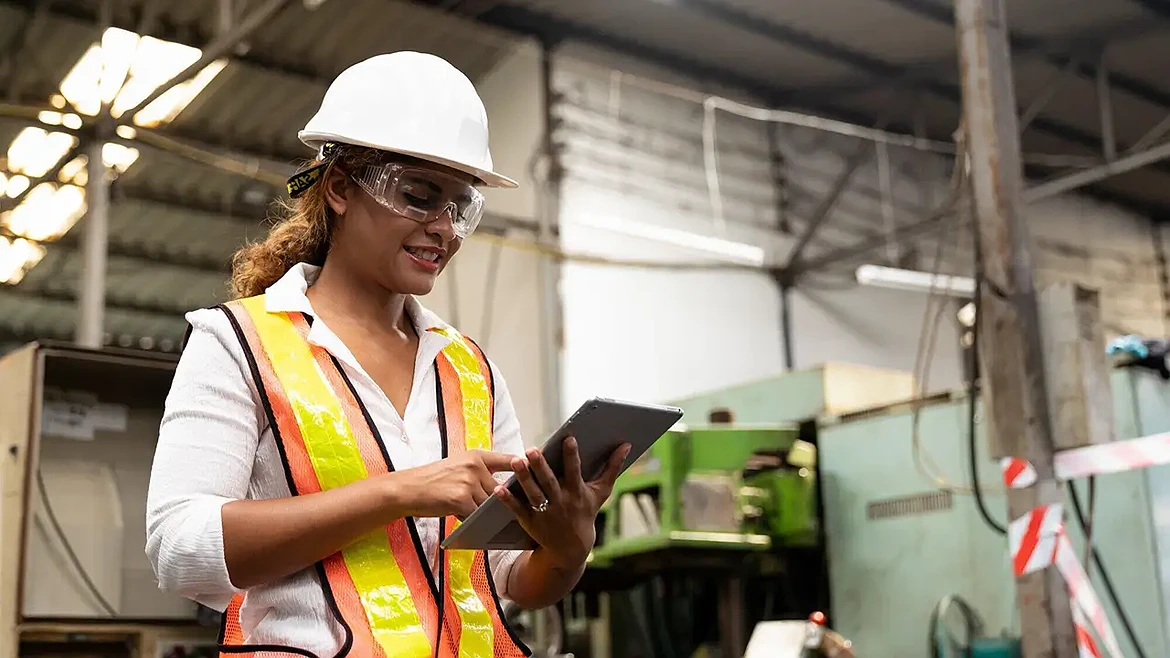
Rising material costs are turning metal waste from an overlooked byproduct into a costly production problem. Manufacturers are looking harder at scrap, offcuts, rejected parts, and inefficient processes because using more of every sheet, bar, and coil can help control expenses.
A bin of metal scraps at the end of a production run may not look like a major loss. Multiply that bin across hundreds of jobs, though, and the numbers start to bite, especially as construction material prices have risen more than 7% since last year. That pressure is giving manufacturers a strong reason to rethink where metal gets wasted and how much of it could stay in productive use.
Why Does Metal Waste Cost Manufacturers More Than It Used To?
Metal waste costs more as raw material prices rise. Every rejected component, unnecessary offcut, damaged sheet, or machining error represents material that a manufacturer paid for but cannot use in a finished product. Even if the scrap can be sold for recycling, the recovered amount may not make up for the original material cost.
Scrap can also hide other expenses. A component may have already required cutting, forming, machining, welding, or finishing before a defect is discovered. Scrapping it means losing some of the labor, equipment time, energy, and tooling invested in that part.
Higher material prices can make small inefficiencies harder to absorb. A cutting pattern that wastes a little extra metal on each sheet may seem insignificant during one production run, but repeated across thousands of components, it can become a substantial expense.
How Does Metal Waste Affect the Cost of Custom Orders?
Custom orders can be particularly sensitive to metal waste when working on optimizing material usage because manufacturers may be working with:
- Specialized alloys
- Unusual dimensions
- Relatively small production runs
A cutting mistake or rejected component cannot always be absorbed across thousands of identical units, so the manufacturing cost can have a larger effect on the price of each finished piece.
Production methods also influence how much material is lost. Manufacturers using precision casting services, for example, may produce complex components closer to their final shape, reducing the machining required afterward. Other custom projects may leave irregular offcuts or remnants that are difficult to use for another customer.
Manufacturers can account for expected scrap when preparing a custom quote, but unexpected waste can still reduce job profitability.
Optimizing Material Usage
Manufacturers can optimize material usage before production begins by matching the type and form of metal to each component's requirements. Using thicker, larger, or higher-grade material than necessary can increase spending without improving the finished product. Engineering and purchasing teams can review specifications to make sure each order reflects actual performance requirements.
Standardization can make a difference as well. When several products use compatible gauges, alloys, or stock sizes, manufacturers have more flexibility in allocating inventory between jobs. Fewer highly specialized materials can also reduce the risk of stock sitting unused after a product is redesigned or discontinued.
Inventory visibility is another consideration. Knowing exactly what material is available, committed to upcoming orders, or approaching the end of its useful storage period can prevent unnecessary purchases.
Improving Product Design
Design teams can reduce future metal waste by considering what happens to a product after it reaches the end of its useful life. Products that are difficult to take apart can leave different metals permanently attached to:
- Plastics
- Adhesives
- Coatings
Designing for disassembly offers another approach. Mechanical connections that can be removed during recycling may make it easier to separate materials into cleaner waste streams. Clearly identifying alloys and avoiding unnecessary combinations of incompatible metals can also simplify sorting later.
Manufacturers can also consider opportunities for remanufacturing during the design stage. Durable housings and other structural pieces may be suitable for use in refurbished products even when smaller components need replacement.
Quality Control
Inspections at critical stages allow manufacturers to catch:
- Dimensional changes
- Surface defects
- Equipment irregularities
- Inconsistent welds
- Cracks or deformation
- Improper component fit
Waiting until final inspection means considerable work may already be done on defective parts. Earlier checks can isolate the point where a problem first appears and limit how much material is affected.
Quality records can also help manufacturers distinguish an isolated mistake from a recurring production issue. If the same defect continues appearing across different batches, teams can investigate its source and correct it for sustainable manufacturing.
Frequently Asked Questions
What Happens to Metal Waste When a Factory Moves From Manual to Automated Production?
Metal waste may temporarily increase as a factory transitions to automated production. New equipment often requires:
- Calibration
- Test runs
- Programming adjustments
- Operator training
These can result in unusable parts or excess offcuts during the early stages.
Once the process is refined, automation can reduce certain types of waste through more consistent cuts, measurements, and material placement. Manufacturers should compare scrap rates before and after the transition to see where automation reduces waste.
How Can Manufacturers Determine When a Metal Component Is Worth Reworking?
Manufacturers can compare the cost of reworking a component with the cost of scrapping and replacing it. That calculation should account for the metal's value, additional labor, machine time, tooling, inspection, and the likelihood that the repaired component will meet specifications.
Reworking generally makes more sense when the defect is limited and can be corrected reliably without consuming excessive production capacity. If repairs are complicated, repeatedly fail inspection, or cost nearly as much as producing a new component, recycling the metal and starting again may be the more economical choice.
What Happens to Metal Waste During a Product Recall?
A product recall can create a sudden surge of metal waste when affected items cannot be repaired or safely returned to service. Manufacturers may need to:
- Dismantle recalled products
- Separate metal components from other materials
- Determine which metals can be recycled or recovered
- Remove hazardous or contaminated materials
- Document how recalled materials are handled
The recall can also expose waste earlier in the production process. If unused components share the same defect as recalled products, manufacturers may have to scrap existing inventory and work in progress.
Understand Material Costs Today
Now that material costs are rising, many businesses are looking into their options for cutting costs.
Are you searching for more ways to save money? Explore some of our other useful articles ASAP.
This article was prepared by an independent contributor which helps us continue delivering quality content to our audiences.