
College education is caught between tradition and a changing workforce
Stephanie Heron | Daily Inter-Lake | UPDATED 2 months, 1 week AGO
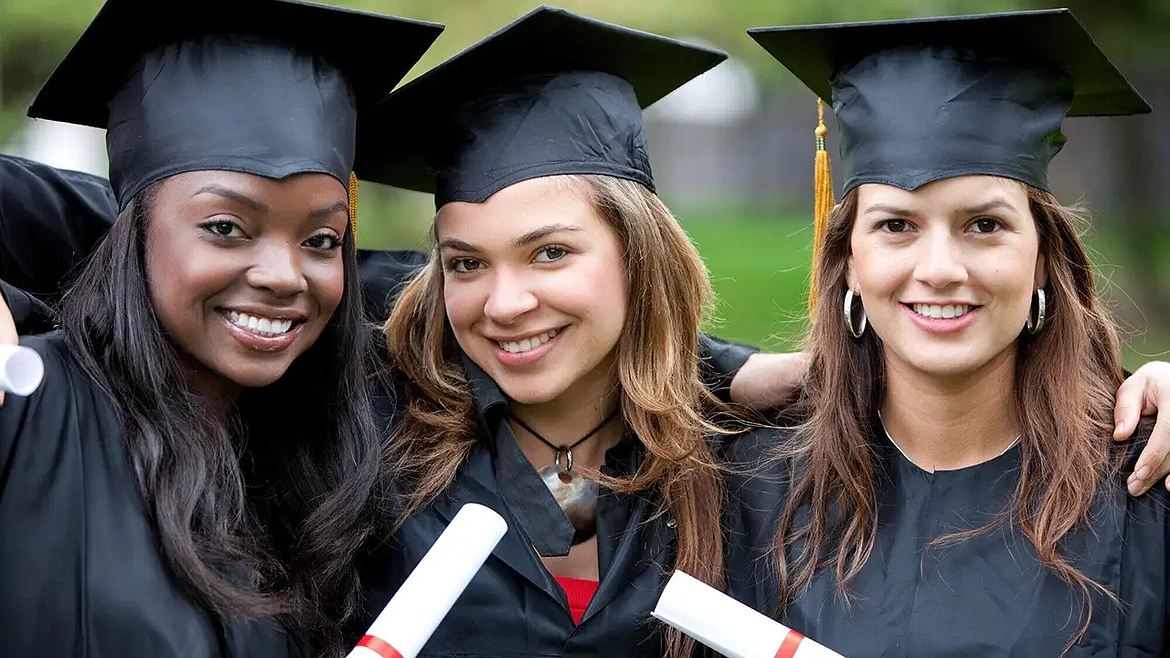
College education is caught between tradition and a changing workforce, since curricula are struggling to keep pace with emerging skills and employers are looking beyond the traditional degree. Flexible learning models are also challenging the four-year college structure, and experiential education is bridging the gap between campus and career.
Education Data Initiative reports that college enrollment totaled 19.28 million in fall 2024. This may seem like a lot, but this is down 8.43% from peak enrollment in 2010 (21.0 million).
College education is certainly seeing a change, and it's caught between tradition and a changing workforce.
What Is the Changing Workforce Today?
Technology, demographics, employee expectations, and economic conditions are reshaping how people work and what employers expect from them. The following are altering both job responsibilities and the skills needed to perform them:
- AI
- Automation
- Remote and hybrid work
- Digital collaboration
The World Economic Forum reports that employers anticipate 39% of core skills will change by 2030, while technological literacy, analytical thinking, creative thinking, resilience, and adaptability remain important.
The workforce is also becoming less defined by a single career lasting decades. Employees may move between industries, retrain for new positions, work as contractors, or combine employment with entrepreneurship. This creates a labor market where adaptability can be just as important as initial qualifications.
How Is College Education Caught Between Tradition and a Changing Workforce?
As you can see, workforce demands are shifting, and that's having an effect on how people pursue higher education. These are the key things to know.
College Curricula Are Struggling to Keep Pace With Emerging Skills
One of the biggest tensions between traditional higher education and the modern workforce is the speed of change. Academic programs can take years to design, approve, and update, while employers may adopt new technologies within months.
This doesn't necessarily mean that universities should abandon foundational subjects, though. Curricula may instead need mechanisms for faster adaptation, including:
- Industry partnerships
- Regularly updated coursework
- Applied projects
- Opportunities to work with current technologies
A strong education can combine enduring knowledge with contemporary applications. This approach can allow students to understand not only how today's tools work, but also how to learn the next generation of tools after graduation.
Employers Are Looking Beyond the Traditional Degree
The traditional model assumes that a regular college degree is the primary gateway between education and professional employment. The changing workforce is challenging that assumption by placing greater emphasis on demonstrated capabilities. Employers need candidates who can:
- Analyze problems
- Communicate effectively
- Collaborate
- Use technology
- Adapt when circumstances change
This creates pressure for colleges to demonstrate the practical value of their programs. The degree itself still matters in many professions, but its role is being combined with evidence of applied ability.
Flexible Learning Models Are Challenging the Four-Year College Structure
The conventional four-year residential degree is no longer the only model for acquiring higher-level knowledge. With modern learning, students can combine traditional courses with:
- Certificates
- Online learning
- Apprenticeships
- Internships
- Community college coursework
- Employer training
There are even programs for a 90-credit accelerated bachelor's degree if people wish for a fast track to their careers. This creates a more modular approach where education can occur at different stages of a person's career rather than being concentrated immediately after high school.
The flexibility matters because workforce skills are unlikely to remain static after graduation. The challenge is preserving academic depth while making education more accessible and responsive.
Experiential Education Is Bridging the Gap Between Campus and Career
The traditional lecture-and-exam model is increasingly being supplemented by experiences that require students to apply knowledge in realistic situations. The following can give students opportunities to practice professional decision-making before graduation:
- Internships
- Cooperative education
- Simulations
- Consulting projects
- Research placements
- Entrepreneurship programs
- Community-based assignments
This approach is useful, as it addresses a central concern among younger learners of whether education will actually prepare them to function in the workplace.
Experiential education also benefits universities because employers can help identify which capabilities students need to develop. Instead of separating academic knowledge from professional preparation, institutions can connect the two throughout a student's education.
Frequently Asked Questions (FAQs)
Why Does Gen Z Not Go to College?
Gen Z's decisions about college are influenced by several practical considerations rather than just a simple rejection of higher education. For one, cost is a major factor, and another is that they question whether a traditional education provides enough practical experience or remains sufficiently connected to employer needs.
Career alternatives have also become more visible. The following can provide more direct routes into employment while potentially reducing education-related debt:
- Apprenticeships
- Vocational programs
- Professional certifications
- Boot camps
- Skilled trades
That doesn't mean Gen Z universally thinks college is unnecessary, though. Many still see degrees as valuable, especially for professions where credentials are still essential.
How Does the Changing Workforce Impact Organizational Behavior?
A changing workforce influences how organizations:
- Communicate
- Manage employees
- Structure teams
- Define productivity
As technology automates certain tasks, employees may spend more time on problem-solving, collaboration, judgment, and relationship-based work. This can make traditional command-and-control management less effective, especially when workers expect greater autonomy and opportunities to develop new skills.
Organizations also have to rethink learning and development. Most employers expect to pursue upskilling as part of their response to AI-driven change, and this encourages companies to treat learning as an ongoing part of employment.
Can I Change What I Want to Do in College?
Yes, changing your academic direction is possible at many colleges. For example, you can change majors, add a minor, transfer into another program, or use electives and internships to explore different career possibilities.
Before you make a switch, though, check how the new major affects graduation requirements, tuition, financial aid, and the expected completion date. It's also useful to investigate the careers connected to the new field rather than changing just because another subject sounds interesting.
The Idea of College Education Is Changing
Many people today are turning away from a traditional college education and looking toward alternative methods of learning instead. This allows them to get the skills and experience needed for their desired professions, which a four-year degree may not provide anymore.
Check out more of our website to discover additional content now.
This article was prepared by an independent contributor which helps us continue delivering quality content to our audiences.