
Home energy audits gain attention as electric bills push homeowners to find hidden energy waste
Lettecha Johnson | Bonner County Daily Bee | UPDATED 10 hours, 9 minutes AGO
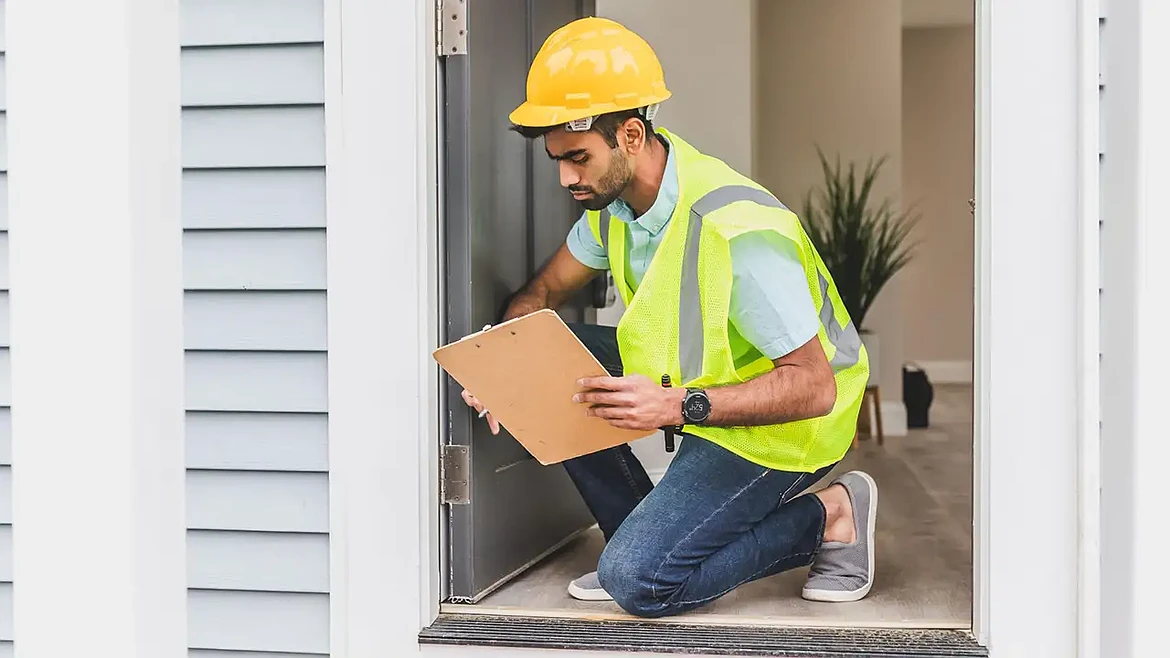
Lower bills and enjoy more comfort after a home energy audit finds air leaks and poor insulation. Professionals can use diagnostic tools such as thermal cameras, gas detectors, and blower door tests, and monitor appliance power use.
The Center for Sustainable Systems at the University of Michigan reported in 2024 that Miscellaneous electric loads (MEL) appliances, like TVs and computers, accounted for 40% of main energy use in homes. Call your state or local utility program for a professional audit that catches these issues. Then start the next step in making upgrades from smart thermostats to ENERGY STAR appliances to spray foam insulation.
What Is a Home Energy Audit?
A home energy audit inspects your home to see where you are wasting energy. It can come from several sources, from air leaks through your roof to cracks in your windows.
Professionals check your existing insulation and test your heating systems. As a result, you'll receive an analysis report on these vulnerabilities and what updates you can make to improve your overall comfort and lower bills.
Three Main Types
A residential energy audit may be a:
Walkthrough audit
Standard General Audit
Comprehensive investment-grade audit
The walkthrough is a quick visual check. Your professional auditor may review your past utility bills, check for visible leaks, and look at light bulbs.
A standard audit involves more diagnostic gear, as the auditor moves around your home using an infrared camera to test hidden heat loss. A blower door test monitors for air leaks from the top down.
Something more comprehensive involves computer modeling and deep forecasts to plan for a major home retrofit.
How Do I Know I Need One?
Do you wince before you open your energy bills? You may be sitting in your room and notice that no matter how high your HVAC system is set, it's never warm enough on a winter night or cool enough on a summer day. These are signs that your home is losing too much energy and you're paying the price.
Compare your current energy bills to previous years and check with neighbors or friends in similar-sized homes about how their utility expenses match.
You may also notice uneven temperatures in different rooms. When you're standing near a closed window or door, breezes may be noticeable, or spider webs and other insects may be invading more.
How Does an Energy Consultation Guide Upgrades?
After getting a professional home energy audit, it's easier to prioritize related tasks. See where you can save money or which updates take priority for upcoming seasonal prep.
That way, you curate your home budget to focus on vital changes instead of guessing and hoping for the best. Having a professional recommend smart updates can reduce monthly utility bills, which are increasing for all Americans.
Before the wet season sets in, you may need to invest in crawl space spray foam insulation. Cool down your home and prevent leaks after attic insulation contractors make repairs. After all, attic temperatures can get well over 150 degrees F.
See what you can do on your own with spray foam insulation DIY kits.
What Are the Main Benefits of a Home Energy Checkup?
Getting a home energy checkup can be the first step in improving your:
Indoor comfort
Home value
Monthly expenses
The more energy you waste, the more you'll pay every month, even if you're not using it. That's why you should be aware of what "vampire energy" is and what appliances are guilty of it.
Practical tips to optimize electrical use and temperature regulation can decrease these high bills.
Local utility and state programs can mean free or low home energy assessment costs.
As the planet heats up from global warming, it's affecting weather patterns through hotter, drier summers. Wet weather can mean bigger hurricanes and increased flood risk.
An energy audit that warns you about openings, whether it's a crack in your roof or around your windows, can protect your home from damaging water rushing in or your roof being blown off during a hurricane because of hidden vulnerabilities.
Increase your HVAC lifespan and avoid spending money on early replacement or excessive maintenance. Controlling the moisture in your home prevents risks like mold growth, which can affect respiratory health and reduce your home value.
Documenting your verified energy-efficient features can increase home value and make it safer by uncovering hidden hazards.
Frequently Asked Questions
Can I Do My Own Home Energy Audit?
A DIY home energy audit can start by checking for obvious drafts around openings and electrical outlets. Many people use a candle test by holding a lit candle near the gap to see if it blows out.
Measure your attic insulation and note functional issues with your HVAC system (i.e, loud noises and short run times).
Start replacing incandescent lightbulbs with energy- and cost-saving LED lights.
How Do I Prepare for an Energy Audit?
Gather as many of your old utility bills as you can find. You want to show your auditor a full year of energy use to help with the analysis. Make a list of any rooms or specific areas that often feel too hot, too cold, or drafty.
Note any allergy issues that have sprung up, as they may signal humidity and mold. Hidden cracks may also enable allergens to blow in from the outside. Check your major appliances' ages, as these can also be major culprits of "vampire energy."
Make it easy for your auditor to move around and clear all passageways from your attic to your basement. The furnace and water heater should all be easily accessible.
Empower Your Home with a Thorough Audit
A home energy audit may be what you need to finally get a hold on monthly expenses and sustainable living. You may have old appliances sucking up energy or poor insulation allowing heat to escape.
An auditor can locate where these vulnerabilities are so you can begin the next step in making appropriate upgrades for better comfort and home budget.
Chill out with more relevant articles on our website.
This article was prepared by an independent contributor which helps us continue delivering quality content to our audiences.