
Passing the halter to the next generation
CAROLINE LOBSINGER | Hagadone News Network | UPDATED 2 months AGO
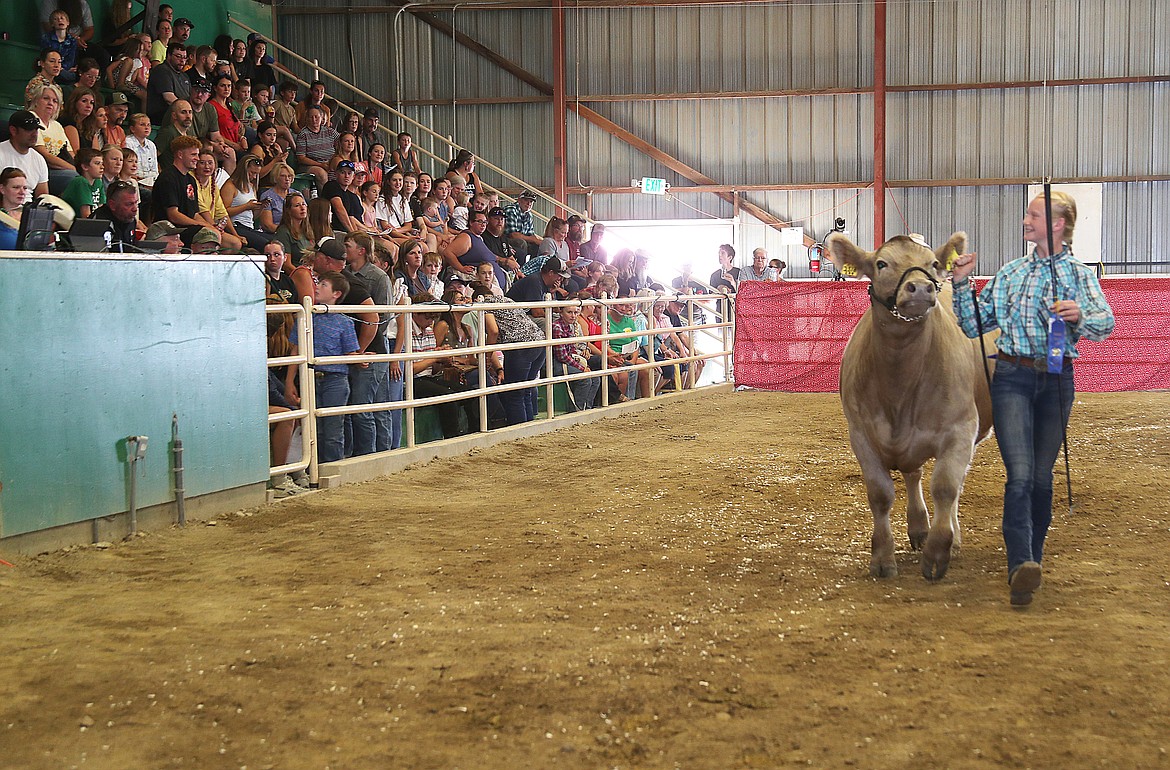
Caydee Barnhart leads her steer around the ring to give buyers a chance to look him over at Saturday's 4-H Market Animal Sale.
Photo by CAROLINE LOBSINGER
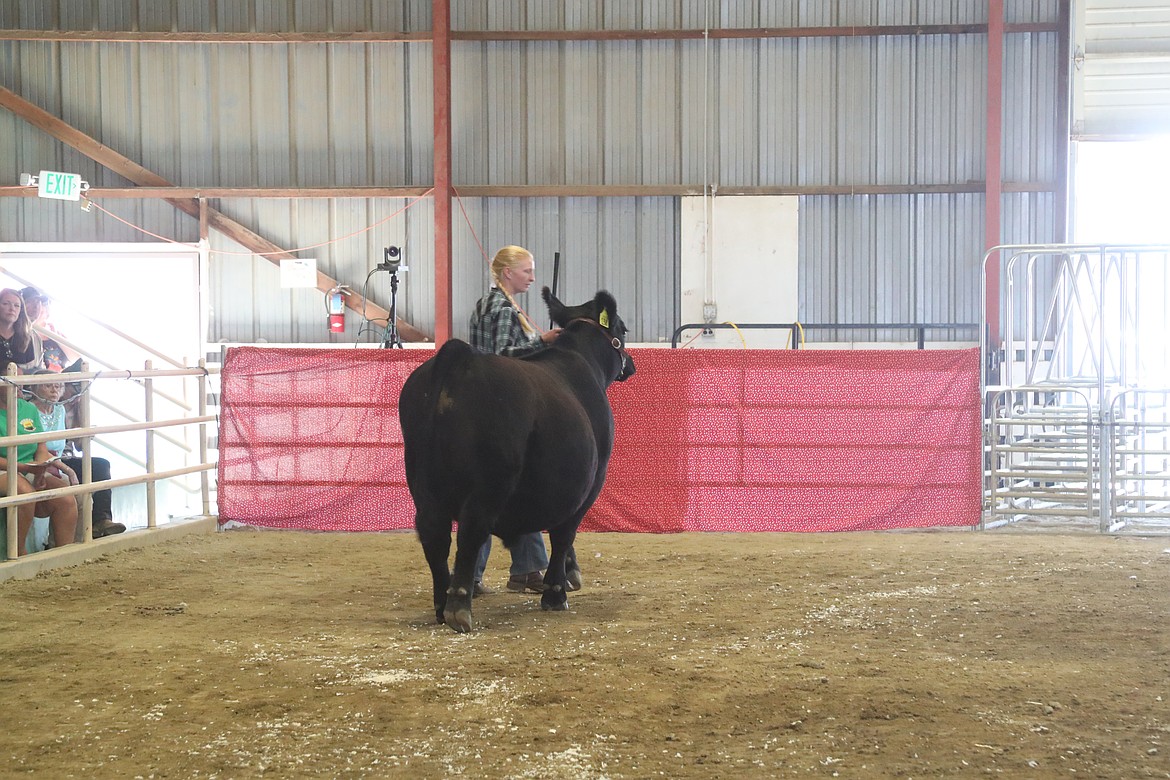
Moriah Barnhart takes part in her last 4-H Market Animal Sale on Saturday.
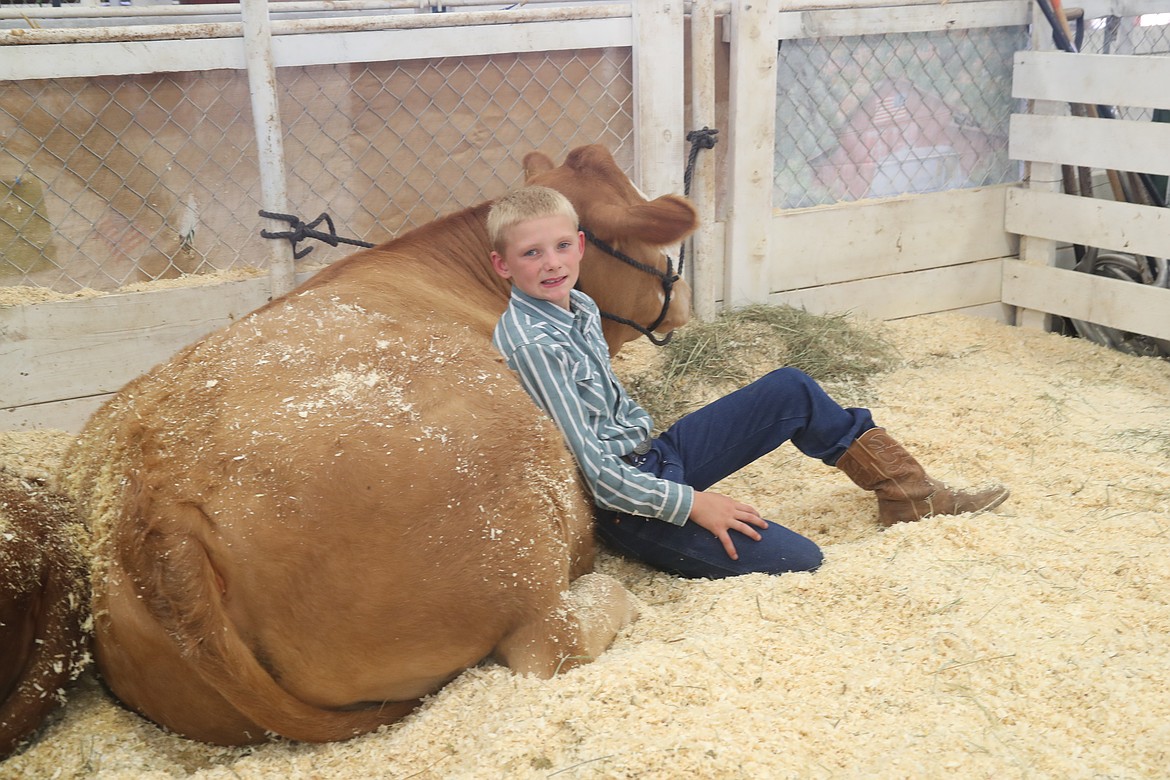
Lucas Schmaltz finds his steer is a comfortable spot to rest during a break in the action at the 2026 Bonner County Fair on Thursday.
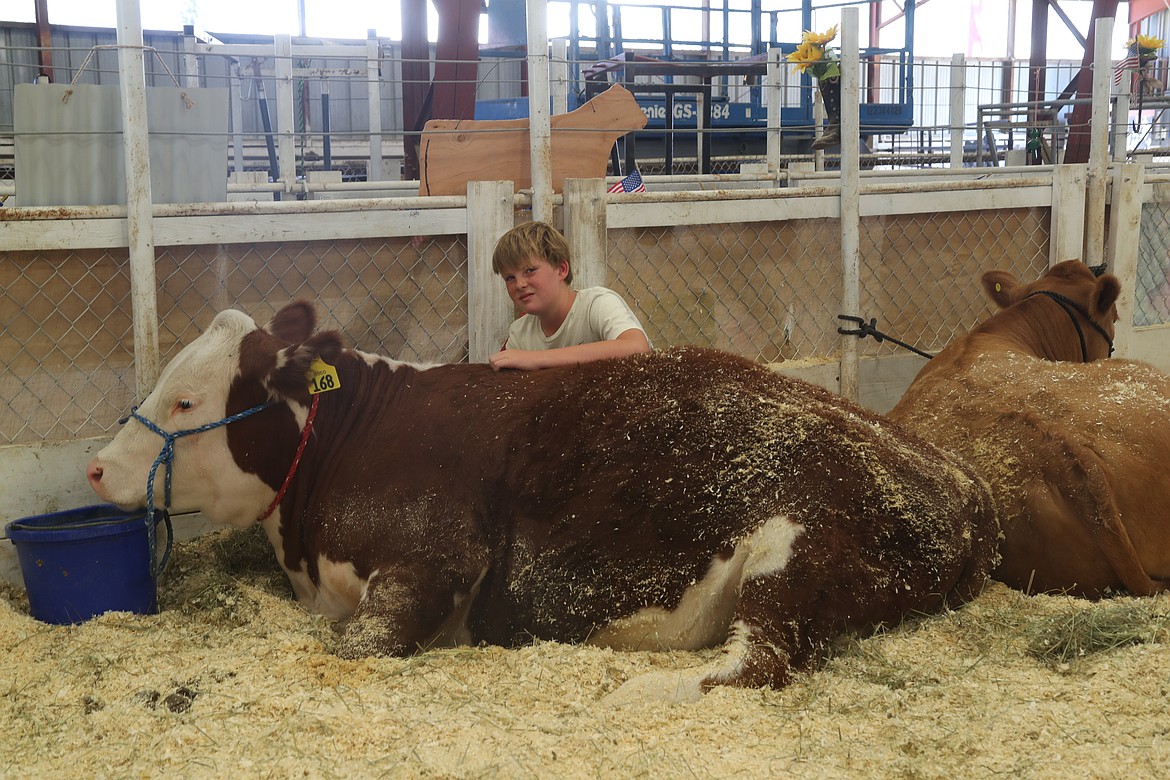
Clint Schmaltz poses with his steer during a break in the action at the Bonner County Fair on Thursday.
I grew up in the Tri-Cities, Wash., and have always loved to write. I attended the University of Washington, where I earned a double major in journalism and political science, with an area of emphasis in history. I am the fifth out of six kids — don't believe any of the stories that my siblings tell. To be able to tell others stories and take photos for a living is a dream come true — and I considered myself blessed to be a community journalist. When I am not working, I enjoy spending time with family and friends, hiking and spending time outdoors, genealogy, reading, and watching the UW Huskies and the Seattle Seahawks. I am a servant to my cat, Frankie, who yes, will eat anything and everything in sight … even wedding cookies. | August 23, 2026 1:00 AM
SANDPOINT — For some Bonner County families, raising market steers isn't just a 4-H project. It's a tradition passed down through generations.
Take sisters Kaydee and Moriah Barnhart, or brothers Clint and Lucas Schmaltz. The sisters are the third generation of their family to take part in 4-H and raise steers; the brothers are in their first year of raising steers.
Both sets of siblings said raising market animals is both fun and rewarding.
Kaydee Barnhart is in her fifth year of raising steers, starting first with a dairy cow that she led around before switching to a steer project and following in her older siblings' footsteps.
"I like doing it. It gives you so much more experience and responsibility in life, and it's really helpful," she said.
Raising Dallas, a Charolais Club cross, to 1,212 pounds and preparing him for sale took hard work and dedication, Kaydee Barnhart said.
"It takes a lot of responsibility," she said. "You need to train him every day."
That means introducing him to, and getting him used to a rope halter and then a chain halter, used during showing. It means getting him used to walking with a halter and standing to show off his build to potential buyers.
They have to get used to drinking out of five-gallon buckets at the fair and you need to find just the right feed mix that puts the right amount of muscle and fat on the steer, Kaydee Barnhart said.
The youth credits her siblings, as the sixth and last of the Barnhart children to raise market steers, and her father, also a 4-H veteran and now club leader, for helping her learn what she needed to raise a steer.
"I figured that all of my siblings did it, I might as well do it," the youth said. "It's really fun, too."
The best part about raising steers is the fun she has at the fair, showing them and showcasing all of the hard work that has taken place over the past year, said Barnhart.
"It's a little bit nerve-wracking, like sitting and waiting, you're like, 'Oh, no, what am I going to get?' but it's so fun," she added. "You get in there, you work so hard for him, you trained him since he was six months, and now you take him in the arena."
Like her younger sister, Moriah Barnhart is a veteran of the 4-H steer project, with the 2026 Bonner County Fair being her eleventh and final project.
"It's been such a blessing and it's so much fun," Moriah Barnhart said. "And the support we get from the buyers is amazing."
Barnhart estimated that she and her siblings have raised a collective 50 or so steers over the years. Each year, the family makes it a point to gather at the fair, continuing a tradition that stretches back generations and supporting the relatives now carrying it forward.
The duo is the third generation of the family taking part in the Careywood Eager Beavers, which was started by their grandmother. Carefully turning the pages of a scrapbook detailing the club's history, Barnhart pointed to a photo of her dad, Steve, as he waited to lead his steer into the ring.
The photos chronicled club members, including several generations of Barnharts, who had shown livestock and taken part in the fair.
Like other 4-H members, the sisters emphatically said they would encourage everyone to take part in the organization, whether they want to raise large animals or learn a craft.
"I think it's an opportunity, and I have the setup for it, and so it'd be an opportunity missed if I didn't do it," Moriah Barnhart said. "Besides, I love showing at the fair and this week has just been so much fun."
Her steer, topping the scales at 1,318 pounds, sold at $8 a pound at Saturday's Market Animal Sale. The sale is the culmination of months of hard work by 4-H'ers enrolled in various livestock projects.
It is a chance to earn a little money for 4-H members — and for residents and businesses to buy high-quality animals, either on their own or with friends.
The teamwork and camaraderie of being in a 4-H club eases the hard work of raising an animal. Fellow club members share advice, tips and suggestions — from how to show the animal to when to feed it.
The sale is also a chance to show what they have learned in 4-H and how they’ve been able to put it into practice.
"I would say that it is one of the greatest things you can do because it teaches you responsibility from a young age, and you get to see the starting point and ending point of the little calf that you bought," Moriah Barnhart said. "Then you get to see it grow up and put fat on and muscle and finish up as this great big steer that you get to bless somebody with."
The sisters aren't the only family carrying on tradition through 4-H livestock projects. Like Caydee and Moriah Barnhart, brothers Clint and Lucas Schmaltz were among the several dozen 4-H members taking part in steer projects at the 2026 Bonner County Fair.
The pair have raised their steers since they were several months old, noting it might surprise people how much work and food it takes to raise them during the almost year-long project.
"It's fun, keeping them safe and having fun," Lucas Schmaltz said.
After raising a pig for several years, Clint Schmaltz said he decided to take the leap to raise a steer.
"It's more fun than the other animals," he added.
The brothers encouraged other youth to join 4-H and to raise a market animal, whether a sheep, a pig or a steer.
"It's fun and exciting," Clint Schmaltz said.
If large animals like steers aren't of interest, the pair said projects exist for any interest — from growing a garden to making arts and crafts.
Most of the youth said they save the money raised from selling their steer during the Market Animal Sale to help pay for next year's steer and for college expenses.
"I'm headed off to Portland Bible College right now," Moriah Barnhart said Saturday morning shortly after showing her steer.
With her car all packed, right now was literally "right now," and Barnhart said she was set to leave in 30 minutes to head to college.
Ending her summer at the fair was the perfect way to cap off both her summer and 4-H career, she said. Growing up in 4-H and a family steeped in a family steeped in 4-H tradition, Barnhart said sharing those experiences with her nieces was special.
"My favorite memory was showing my dairy cows with my little nieces," she added. "There's one 4-year-old and two 2-year-olds, and they just had a blast. They said that was their favorite part of the fair. It was so fun to see the smiles on them, hear them laughing."
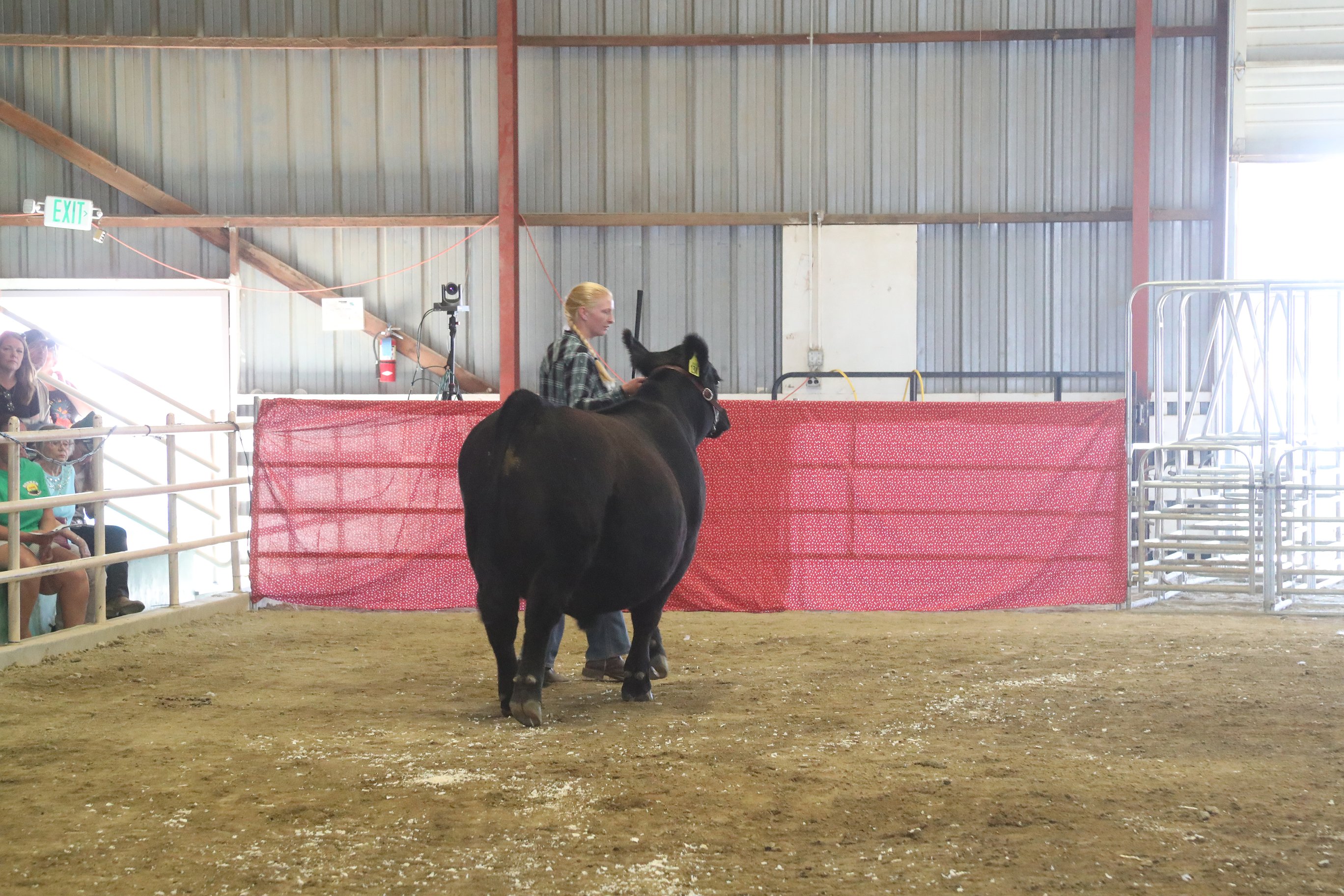 Moriah Barnhart takes part in her last 4-H Market Animal Sale on Saturday.
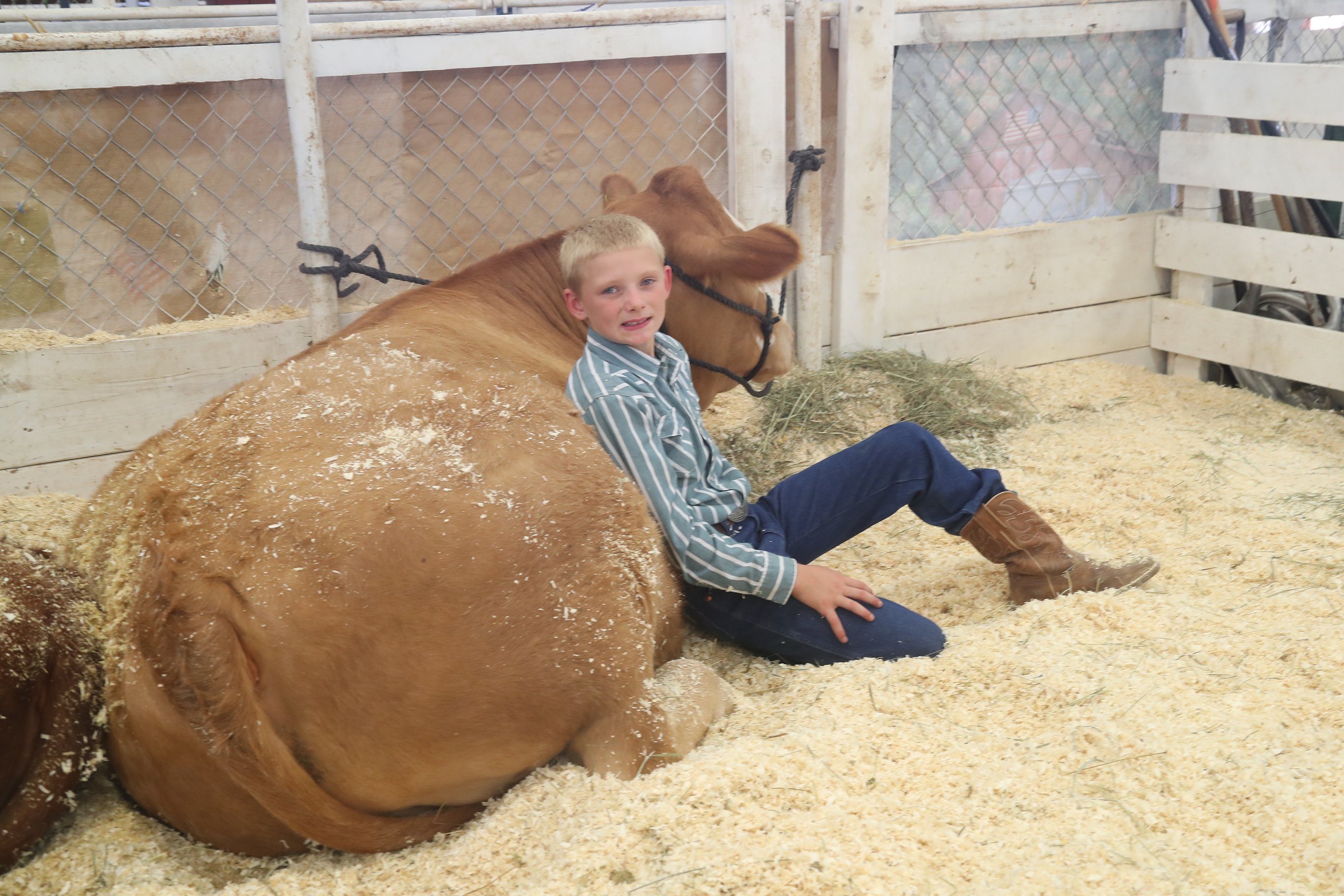 Lucas Schmaltz finds his steer is a comfortable spot to rest during a break in the action at the 2026 Bonner County Fair on Thursday.
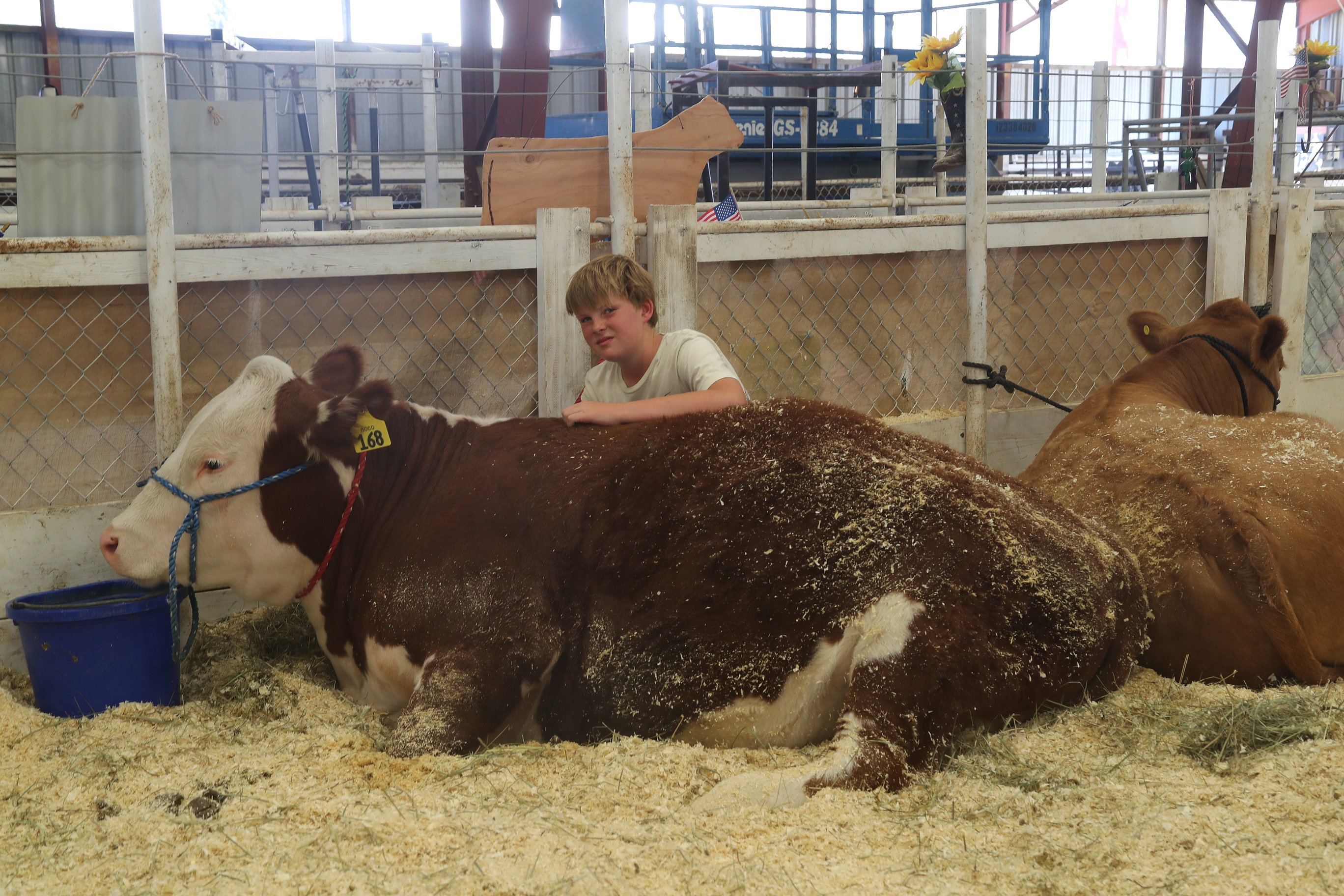 Clint Schmaltz poses with his steer during a break in the action at the Bonner County Fair on Thursday.
ARTICLES BY CAROLINE LOBSINGER

Wellness fair puts focus on health
The Wellness & Connection Fair is bringing together local health and wellness professionals together in Sandpoint for a day of presentations, activities and community resources.
BCSD pays share of ISBT shortfall
District opts to make lump sum payment
Boundary County School District paid $217,000 to cover its share of the Idaho School Benefit Trust's $13 million shortfall.

Deadline extended for 'Valor' stories
The Valor publication is gathering photos, military service details and personal stories from Boundary County veterans and military families. Featured profiles highlight local service members' contributions, achievements and sacrifices across generations.