
Do you struggle to choose the best season for an African vacation?
April D. Lee | Coeur d'Alene Press | UPDATED 2 months AGO
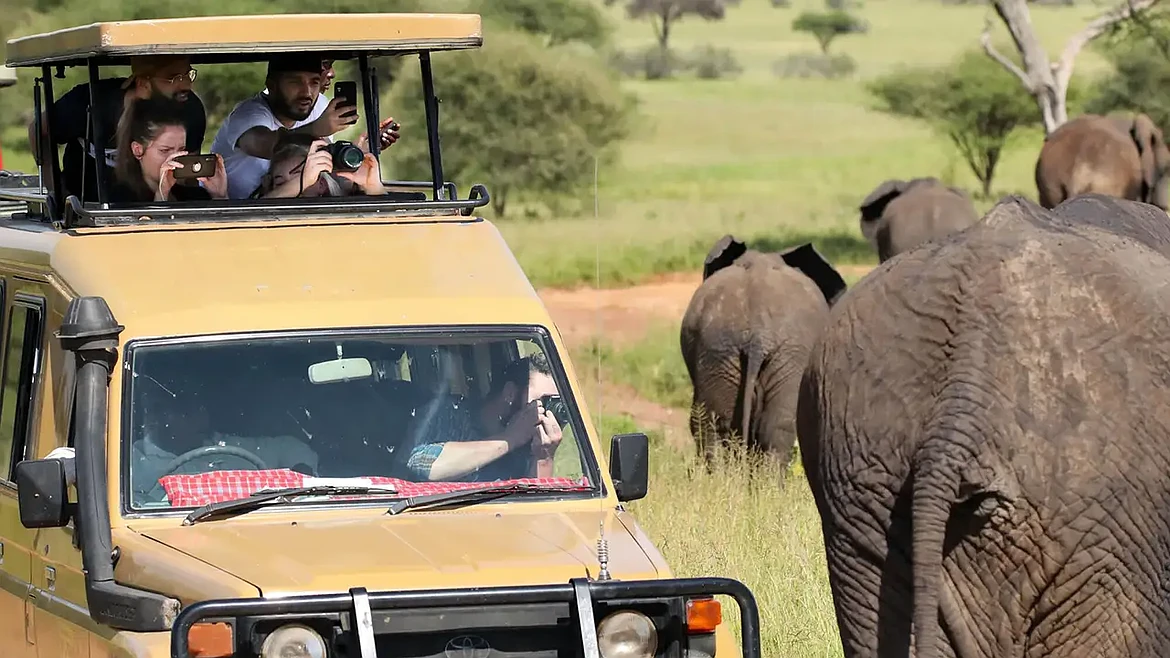
The best season for an African vacation depends on the region, wildlife experience, weather, and crowd level you want. Dry months often improve game viewing, while green and shoulder seasons can deliver lush scenery, newborn animals, strong birding, and fewer visitors.
Africa can feel difficult to schedule from a distance. One traveler pictures lions near a waterhole. Another wants a quiet beach, a gorilla trek, or the Great Migration.
Choosing the wrong month can mean heavier rain, difficult roads, larger crowds, or missing the wildlife event you hoped to see. A better trip starts by matching the season to the experience, not by choosing a month first. Once your priorities are clear, the calendar becomes easier to read.
What Is the Best Month to Visit Africa?
No single month works best across the continent. Many safari regions are especially rewarding from June through October because drier conditions thin vegetation and draw animals toward reliable water sources.
East Africa also has a shorter dry period around January and February, while Southern Africa commonly has dry conditions from roughly May through October.
July through September can be strong choices for classic safari viewing. Kenya and Tanzania attract visitors during migration season. Botswana, South Africa, Zambia, and Zimbabwe also offer strong dry-season conditions.
Popular windows bring higher demand, so travelers should plan earlier when specific camps or routes matter.
What Is the Best Time of Year for an African Safari?
The best time to visit Africa for a safari depends on the animals and landscapes you want to see. Dry-season safaris often make wildlife easier to locate because vegetation becomes thinner and animals gather around permanent rivers and waterholes. Green-season safaris offer:
- Dramatic skies
- Vivid landscapes
- Migratory birds
- Young animals
Travelers interested in Tanzania have several strong windows. Late January and February can bring wildebeest calving in the southern Serengeti. July through October is often recommended for dry-season travel, while migration timing can shift with rainfall and herd movement.
Start With Your Travel Goal
A memorable African adventure begins with one question: What do you most want to experience?
Different goals lead to different seasons:
- Wildlife concentration often favors dry months.
- Birding and green scenery often favor wetter months.
- Calving experiences require careful regional timing.
- Beaches depend on coastal weather and wind patterns.
- Gorilla trekking is generally easier when trails are drier.
Travelers who want African wildlife tours should also decide whether one famous event matters more than variety. The Great Migration moves through the Serengeti and Masai Mara throughout the year. River crossings, calving, and herd movement happen in different places at different times.
Understand Dry- and Green-Season Trade-Offs
The dry season is popular because road conditions are often easier and wildlife can be simpler to spot.
Green season deserves serious consideration. Rain can turn dry plains into rich green landscapes.
Many antelope species give birth during wetter periods in parts of Southern Africa, and migratory birds become a major attraction. Some roads may become harder to navigate, so flexibility matters.
Peak season is not automatically the right season for every traveler.
Use Shoulder Season for Balance
Smart seasonal travel often means looking between the busiest periods. Shoulder months can provide a useful balance of:
- Comfortable weather
- Smaller crowds
- Stronger value
May, June, September, October, and November are months that can work well depending on the destination.
Lower demand can improve accommodation value in some regions, although rates vary by country, lodge, and itinerary. Travelers should compare the full trip rather than assume the cheapest month will deliver the best experience.
Match the Region to the Season
Each African region has its own weather patterns, wildlife cycles, and travel advantages. Digging deeper and understanding these differences helps you choose the destination and timing that best fit your vacation goals.
East Africa
Kenya and Tanzania have strong dry-season safari windows from roughly June through October. Tanzania also offers a short dry period around January and February, which overlaps with Serengeti calving activity. April and May can bring heavier rain in Tanzania.
Travelers comparing routes can review tour packages in Tanzania while deciding which parks and months fit their priorities.
Southern Africa
Botswana, Zambia, Zimbabwe, and parts of South Africa become especially attractive during cooler, drier months. Wildlife often gathers near water as the season progresses. Early mornings can be cold, so packing layers is important.
North Africa and Island Destinations
North African cities may be more comfortable outside the hottest periods. Morocco is often recommended in spring and fall for milder conditions. Seychelles has cooler and drier weather from May through October, while Mauritius can experience heavier storms in January and February.
Travelers who explore Africa's seasons before booking can make better trade-offs. Flexibility can protect the experience when nature changes the plan.
Frequently Asked Questions
Is the Rainy Season a Bad Time for an African Vacation?
No. Rainy periods can be excellent for travelers who value green scenery, birding, newborn wildlife, and fewer crowds. Rain may arrive in short bursts in some regions rather than lasting all day. Road access can become difficult in certain parks, so destination choice matters more during wetter months.
Check local conditions instead of treating all rainy-season travel as a poor option.
How Far Ahead Should Travelers Plan a Peak-Season Safari?
Popular dry-season routes should be planned early, especially when travelers want a specific lodge, park, or migration area. Peak periods can fill faster because wildlife conditions attract more visitors.
Early planning also gives travelers more flight and room choices.
Can One Trip Combine Safari, Beaches, and Cities?
Yes. A multi-stop trip can work well when each destination is matched to its own climate. June through October can pair inland Tanzania safaris with Zanzibar's drier season.
South Africa can combine safari areas with Cape Town, although their strongest weather windows do not always match. A well-planned route should account for regional weather instead of using one season for every stop.
Plan Your African Vacation Around the Experience You Want
The right African vacation is built around priorities, not a universal "best" month. Choose the wildlife, weather, landscapes, and pace that matter most, then match those goals to the region and season.
Good timing turns a complicated plan into a more rewarding journey. Explore our other guides and articles for more practical travel insight, destination ideas, and planning advice.
This article was prepared by an independent contributor which helps us continue delivering quality content to our audiences.