
Modern luxury is why the most expensive room can be a tent
April D. Lee | Bonner County Daily Bee | UPDATED 2 months AGO
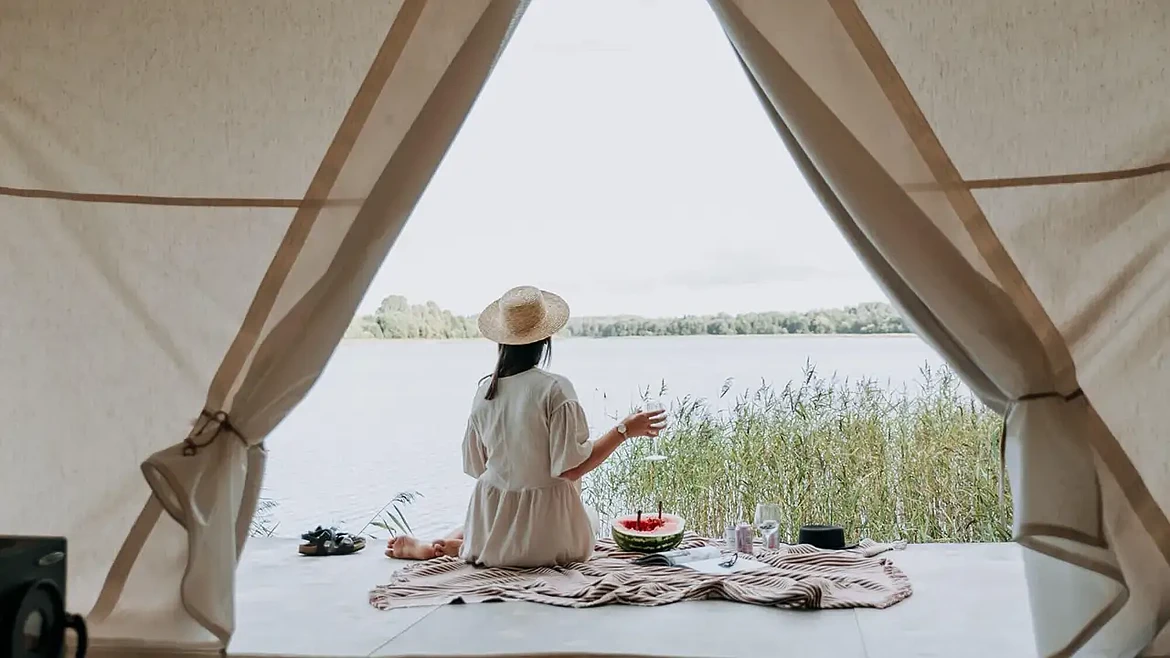
Modern luxury in remote destinations is often expensive because travelers are paying for access, privacy, expert service, and carefully managed logistics rather than marble lobbies or oversized buildings. A tent can command a premium when it places a small number of guests inside a rare landscape with skilled guides, private transport, and fewer people nearby.
A five-star city hotel is easy to understand. A tent that costs more than the hotel can feel harder to explain.
The difference becomes clearer once the room is separated from the experience around it. On a high-end luxury safari, the bed may sit under canvas, yet the operation behind it can involve airstrip transfers, trained guides, safari vehicles, chefs, maintenance teams, wildlife access, and supplies moved across long distances.
The point is that modern luxury is increasingly measured by control over time, space, and access.
Why Are Safari Lodges So Expensive?
Safari lodges can be expensive because remote operations require more labor and logistics than conventional hotels. Food, fuel, linens, equipment, and repair materials may need to travel far from major cities. Small camps also need experienced teams even when only a few guests are staying.
Location adds another layer. Camps positioned near wildlife corridors or seasonal migration routes can reduce daily travel time and place guests closer to key viewing areas. Some properties also include meals, drinks, laundry, transfers, safari activities, and guide services in the room rate.
How Much Does a Luxury Safari Cost?
Prices vary sharply by season, privacy, location, and what the rate includes. So, exact prices are difficult to depict.
Price alone cannot show value. Travelers need to compare the following:
- What is included
- How private the experience is
- Where the camp is located
The Room Is Only One Part of the Premium
A luxury tent may have a large bed, private bathroom, hot water, and refined furnishings. Those features support comfort, but they rarely explain the full premium.
The larger value often comes from the setting. A permanent hotel can rely on public roads, nearby suppliers, and dense infrastructure. Remote lodges must operate where routine tasks take more planning.
Limited capacity can also raise the per-guest cost. Small properties need food service, housekeeping, security, maintenance, transportation, and guest support despite serving far fewer people. Remote operating needs and high staff-to-guest ratios are major reasons safari accommodation can command higher rates.
Privacy Changes the Economics of Luxury Travel
Privacy is valuable because it reduces sharing.
Private vehicles, dedicated guides, flexible meal times, and low guest counts require more staff and equipment per traveler. Guided tours can also become more personal when guests can adjust the pace around photography, wildlife interests, or rest.
A crowded attraction sells access to many people at once. A remote camp may sell the opposite. Fewer guests can mean:
- Less noise
- Fewer vehicles
- More freedom to shape the day
The Serengeti Makes Location Part of the Product
The Serengeti is vast, and a camp's position can affect the entire experience. Travel time to wildlife areas, airstrips, and seasonal migration zones matters.
Mobile tented camps can shift locations as wildlife patterns change. Travelers researching luxury safari Tanzania options should compare the route and camp location before focusing on room size. A well-placed tent can create more usable safari time than a larger suite far from the day's main viewing area.
What the Premium Should Actually Buy
Higher rates make the most sense when they improve the trip in ways a guest can feel. Travelers should look beyond décor and examine the operating model behind the accommodation.
Look for:
- Better guide-to-guest ratios
- Private or low-density game drives
- Efficient airstrip transfers
- Strong local knowledge
- Flexible daily schedules
- Clear inclusions and exclusions
Luxury should reduce friction. A high rate deserves closer review when it adds decoration but does little to improve access, privacy, service, or time.
A careful comparison also matters because two properties may advertise similar rooms while including very different services. Meals, drinks, activities, transportation, laundry, conservation charges, and private vehicles can change the real value of a booking. Published rate details from major safari operators show how widely those inclusions can differ.
Frequently Asked Questions
Are Luxury Safari Tents Safe?
Luxury safari tents are designed around controlled camp procedures rather than hotel-style isolation. Guests receive safety briefings, follow staff instructions after dark, and use designated paths. Camp rules matter and should be followed because wildlife can move through unfenced areas.
Travelers should at least ask these questions before booking:
- How nighttime escorts work
- What emergency communication is available
- How medical evacuation is handled
Safety procedures deserve review before booking, especially for families or travelers with mobility needs. Guests should also confirm that the camp maintains clear emergency protocols and regularly trains staff to respond to wildlife encounters.
What Should Travelers Compare Before Booking Remote Lodges?
Travelers should compare location, transfer time, guide arrangements, meal plans, park access, cancellation terms, and included activities. Room photos help, yet operational details shape the trip more.
Ask whether game drives are shared or private. Confirm whether airstrip transfers, laundry, drinks, and conservation charges are included. Seasonal access matters because road conditions and wildlife movement can change.
It is also wise to check the camp's communication options in case weather or transport disruptions affect the itinerary.
Is a Tented Camp Better Than a Traditional Safari Lodge?
Neither format is automatically better. Tented camps feel closer to the landscape because guests hear wildlife and weather clearly. Traditional lodges can offer stronger insulation, larger shared spaces, and facilities.
Travelers should choose based on comfort, privacy, itinerary, and location rather than assuming one structure alone defines luxury travel. The best choice depends on whether the traveler values a stronger connection to nature or prefers more conventional hotel-style comfort.
Choose Modern Luxury by Experience, Not Appearances
Modern luxury can look simple while requiring a complex operation behind the scenes. The strongest premium buys privacy, skilled guidance, efficient access, and more control over how valuable travel time is used.
A tent can be the most expensive room because the real product is not canvas. It is the place, the people, and the access around it.
Explore our other guides and articles for more practical travel insights and planning guidance.
This article was prepared by an independent contributor which helps us continue delivering quality content to our audiences.