
Editorial: No license plate readers without a clear policy
Daily Inter Lake | Daily Inter-Lake | UPDATED 1 month, 3 weeks AGO
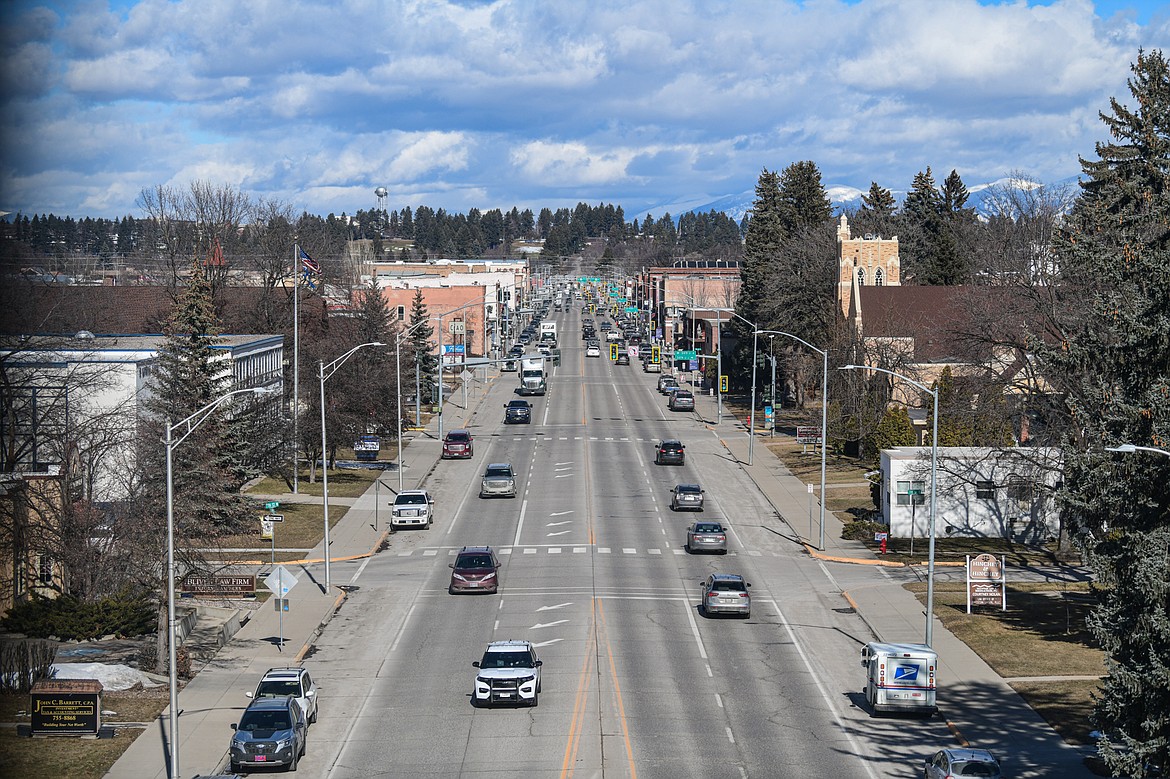
Main Street in downtown Kalispell on Tuesday, March 5. (Casey Kreider/Daily Inter Lake)
Casey Kreider
Downtown Kalispell has a parking enforcement issue that is bad for business and must be addressed, but only in a manner that respects and protects the privacy of Main Street shoppers and workers.
While disappointing to some Kalispell business leaders, the City Council made the right decision when it reversed course on a plan to fund the purchase of license plate reader software. Without a written policy outlining how the data would be stored, accessed and protected from misuse, the council has more work to do before embracing this type of surveillance technology.
The Kalispell Police Department had allocated $70,000 for the software in the 2027 budget and planned to attach the reader to a roving vehicle that would patrol permit and time-limit parking areas downtown. City Manager Jarod Nygren advocated for the technology, saying it would boost enforcement efficiency. Currently, no one enforces downtown parking rules after the former parking officer retired last winter.
The idea to implement license plate reader technology grew out of recommendations from Downtown Kalispell Forward, an advocacy group that includes the Kalispell Business Improvement District, the Northwest Montana Association of Realtors and the Kalispell Chamber of Commerce. The council initially sided with the influential coalition but abruptly struck the line item at its Aug. 18 meeting as public opposition mounted amid the “Stop the Flock” movement.
A long line of public commenters expressed deep concerns about the technology’s potential for mass surveillance — a bipartisan fear shared by many across the country after misuse of Flock-brand license plate cameras came to light. In addition to concerns about Big Brother tracking citizens’ whereabouts, a Washington Post investigation found more than 50 instances in which officers were accused of or charged with misusing license plate reader technology to stalk women.
While Kalispell had not picked a vendor and said the data would not be shared with criminal justice networks, the lack of a written policy and clear safeguards left too many unanswered questions. Councilor Sid Daoud was spot-on when he said, “We are looking at a license plate reader at the worst possible time in history.”
That does not mean parking enforcement should continue to languish. What is the point of enacting steeper fines and shorter time limits if there is never a penalty for parking infractions?
The city should take the $70,000 it planned to spend on a license plate reader and put it toward an additional enforcement officer until the council establishes written protocols with a robust privacy policy. Hiring may cost more in the interim than a one-time capital expenditure, but the loss of public trust would carry a far greater price.