
Flathead Lakers, CSKT sign on to lawsuit challenging rollback of water quality standards
KRISTI NIEMEYER | Hagadone News Network | UPDATED 1 month, 3 weeks AGO
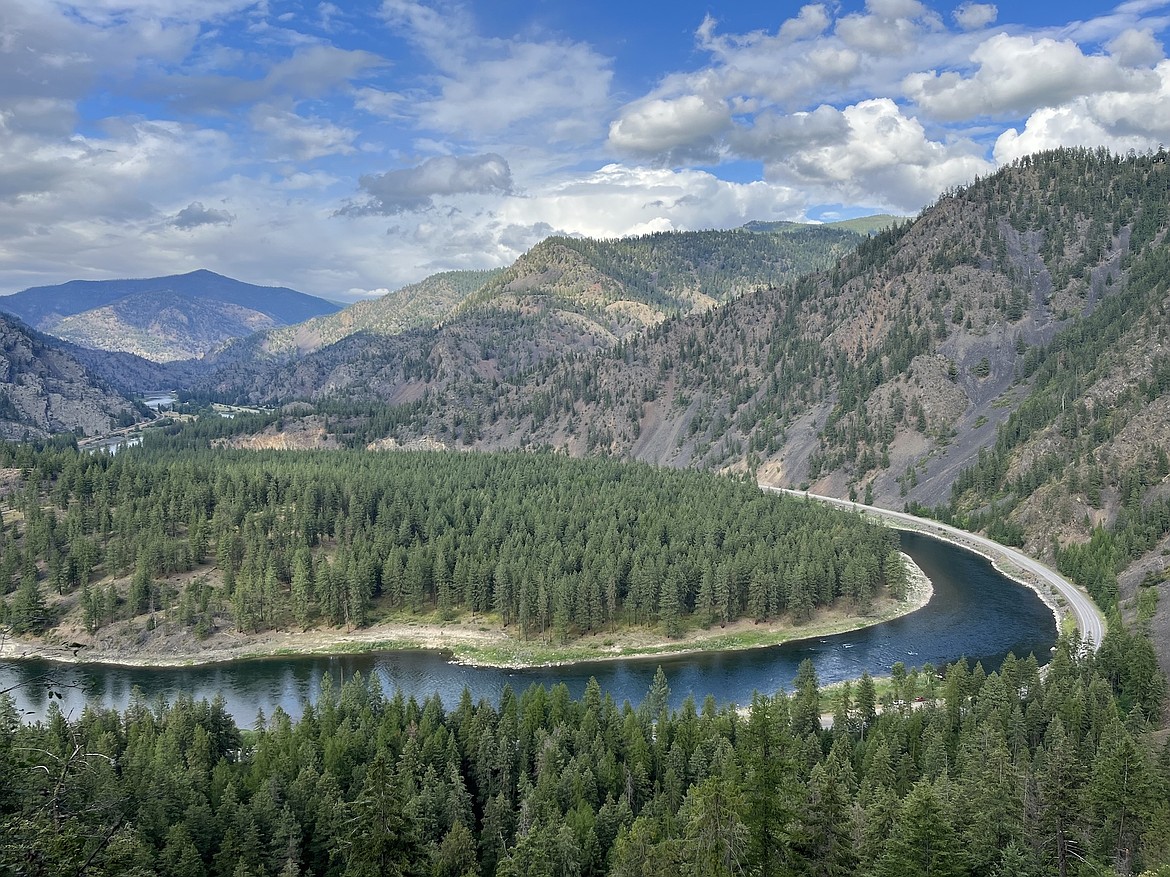
The Clark Fork River, which was among the Montana waterways afflicted by algae blooms last summer. CSKT, the Flathead Lakers and the Upper Missouri Waterkeeper have filed a lawsuit challenging the EPA's support of new state water quality rules. (Kristi Niemeyer/Leader)
Kristi Niemeyer is editor of the Lake County Leader. She learned her newspaper licks at the Mission Valley News and honed them at the helm of the Ronan Pioneer and, eventually, as co-editor of the Leader until 1993. She later launched and published Lively Times, a statewide arts and entertainment monthly (she still publishes the digital version), and produced and edited State of the Arts for the Montana Arts Council and Heart to Heart for St. Luke Community Healthcare. Reach her at [email protected] or 406-883-4343. | February 4, 2026 11:00 PM
The Flathead Lakers, Confederated Salish and Kootenai Tribes and Upper Missouri Waterkeeper filed a lawsuit in federal court Jan. 26, challenging the Environmental Protection Agency’s approval of new state water quality standards.
In a press release announcing the lawsuit, Lakers executive director Colby Gierke said the change from science-based numeric standards to more subjective “narrative” standards poses a threat to “the famously clean waters of the Flathead.”
“This is not a resource we can afford to gamble with,” he said. “Protecting special places like the Flathead requires vigilance, strong science-based standards, and the tools to hold polluters accountable.”
Specifically, the lawsuit alleges that by approving Montana’s rollback of water quality standards on Oct. 3, the EPA failed to give the U.S. Fish and Wildlife Service enough time to evaluate the potential harm the change might cause to species, such as bull trout, protected by the Endangered Species Act.
The suit also contends that by allowing the state to relax water quality standards in Montana’s lakes, rivers and streams, the EPA is undermining provisions of the Clean Water Act.
According to a DEQ report in 2020, nutrient pollution, especially caused by discharges of nitrogen and phosphorus, impacts around 35% of Montana’s river miles and 22% of its lakes. Just last summer, lakes across the state – including Canyon Ferry, Hebgen Lake, Lake Helena, Willow Creek Reservoir and Hauser Lake – experienced harmful algal blooms, while Lake Mary Ronan’s northeast shore was affected in 2024.
Green algae blooms were also more prevalent in Montana rivers last summer, including the Clark Fork, Big Hole, Blackfoot, Jefferson and Gallatin, and are believed to be fueled by hotter summer temperatures and increased nutrient discharges. The algae can pose a danger to fish by diminishing oxygen in the water.
Plaintiffs contend that reverting to less scientific measurements is “a giant step backwards” that threatens “fish and wildlife, world-class recreational opportunities and Montana’s $1.3 billion fishing economy.”
According to the lawsuit, CSKT’s interests in the matter pertain to tribal members’ treaty rights to harvest fish, which requires “water quality sufficient to support sustainable fisheries and fish that are safe for human consumption.”
The suit also notes that CSKT has “expended significant resources and effort to restore native fish species,” particularly bull trout and westslope cutthroat, throughout the Flathead Basin. The success of those efforts relies in part on the maintenance of “complementary, science-based regulation of pollution and polluting activities” on lands upstream from the Flathead Reservation that fall under state jurisdiction.
Montana was the first state to implement numeric nutrient standards back in 2014, although the rule package also exempted most major wastewater discharges from meeting those standards for up to 20 years.
Two years later, Upper Missouri Waterkeeper filed a lawsuit challenging the variance, and in 2019 the court deemed the exemption unlawful. However, that ruling was appealed by the State and EPA, and as a result nearly 40 municipal dischargers were given permission to take their time in addressing nutrient pollution.
The ruling also granted industrial and corporate polluters permission to seek a variance if they could prove that meeting the numeric criteria would cause substantial economic harm.
Fast forward to 2021 when the Montana Legislature passed Senate Bill 358, which repealed numeric standards, replacing them with less stringent narrative standards. Waterkeeper sued the EPA again, forcing the federal agency to strip the law of core provisions, leaving numeric standards in effect.
Legislators passed similar legislation in 2025 with House Bill 664, which was backed by the EPA in October.
In November, the Flathead Lakers and Upper Missouri Waterkeeper joined a coalition of a dozen conservation organizations and 900 citizens in submitting a petition to the Montana DEQ. They asked the agency to pause any new or renewed pollution discharge permits until a science-based plan was put in place to protect Montana’s waterways from nutrient pollution. In response, the DEQ insisted that its new narrative standards are supported by state and federal law.
The lawsuit filed last week alleges that the state’s new standard (articulated in Administrative Rule 17.30.637) is “vague, unenforceable and has never been meaningfully implemented.”
Plaintiffs say narrative standards “are subjective” and require visible signs of pollution before regulators take action. By then, they argue, damage has already occurred.
Plaintiffs also argue that these standards “fail to hold point source polluters accountable,” and create uncertainty about pollution control obligations.
According to a statement from the Lakers and Waterkeeper, “the state of Montana is now issuing discharge permits without the numeric limits necessary to prevent harm, externalizing pollution costs onto the environment, wildlife, communities, and everyone else's pocketbooks.”
ARTICLES BY KRISTI NIEMEYER

Scholarship helps mother of two reach for college degree
For Taurie Matt, higher education offers a path to building a better life for her family. A recent scholarship from the Gianforte Family Foundation is helping her stay in school without drawing down her family’s resources.

Jig Jam: Cherry Valley students learn about music from The McDades
The McDades, a Canadian quintet that claimed the 2007 JUNO Award for Best Roots/Traditional Album, weren’t at all daunted by their audience of Cherry Valley students last Thursday.

Former Polson man files complaint against library alleging ADA violation
Former Polson resident Michael Ross has lodged a civil complaint in U.S. District Court in Missoula, accusing the North Lake County Library and its director, Abbi Dooley, of violating the Americans with Disabilities Act.