
Idaho Supreme Court upholds School Choice Tax Credit
Coeur d'Alene Press | UPDATED 1 month, 3 weeks AGO
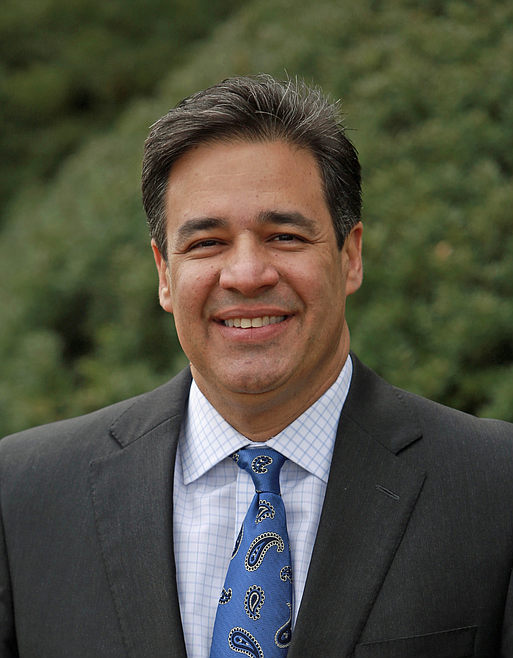
Raúl Labrador
The Idaho Supreme Court on Thursday unanimously rejected a constitutional challenge to Idaho's School Choice Tax Credit, allowing families who have already applied to move forward with the program. Attorney General Raúl Labrador's office successfully defended the law, with Solicitor General Michael Zarian arguing the case before the Court last month.
"Today’s decision confirms that Idaho’s constitutional requirement to maintain a system of public schools does not prevent the Idaho Legislature from doing more to expand educational opportunities," said Labrador in a press release. "The Court rejected the Petitioner’s restrictive reading of the legislature’s power to legislate education matters. This ruling is a victory for Idaho families. It affirms their freedom to choose the educational path that best fits their children’s needs and futures."
A group of petitioners, including the Idaho Education Association, the Latah County school district and the Committee to Protect and Preserve the Idaho Constitution filed a petition asking the Court to block the Tax Commission from implementing the program, the release said. They argued that Article IX, Section 1 of the Idaho Constitution prohibits the legislature from funding K-12 schools other than public schools, and that the tax credit primarily serves private rather than public interests.
The Court rejected both arguments.
Writing for the unanimous Court, Chief Justice G. Richard Bevan held that Article IX, Section 1 "establishes a floor, and not a ceiling" on legislative authority over education. When the Constitution mandates the legislature “establish and maintain” a system of public schools, the Court stated, "it is not reasonable to read that mandate as restricting the legislature's broader power to do something more."
On the public purpose challenge, the Court deferred to the Legislature's stated objective of expanding parental choice, finding the purpose neither arbitrary nor unreasonable, the release said. The Court noted that education is universally regarded as a public purpose and that incidental benefits to private entities do not change that. The Court also found that no petitioner established traditional standing to bring the challenge.
The decision was unanimous. The Court awarded attorney fees to the State and costs to both the State and the Idaho State Legislature.
The School Choice Tax Credit provides up to $5,000 per student ($7,500 for students with certain disabilities) in refundable tax credits for qualified educational expenses including tuition, tutoring, curricula and assessments. The law gives priority to families earning less than 300% of the federal poverty level and allows advance payments so families can afford educational options immediately. The program does not take funding from public schools and does not grant government authority over nonpublic schools.